Trump Promised to Refill the Strategic Petroleum Reserve. It’s Now at a Nearly 44-Year Low
Trump campaigned on rebuilding America's emergency oil stockpile, and early in his term the numbers moved in the right direction. Then a single geopolitical shock rewrote the entire trajectory in a matter of months.


Donald Trump made the Strategic Petroleum Reserve a campaign issue in 2024, criticizing the Biden administration’s use of the emergency oil stockpile and saying the United States needed to start filling it again. In an August 2024 interview, Trump put it plainly: “We have to fill up the strategic reserves immediately.”
The reserve did grow during 2025. Then the Middle East conflict that began on Feb. 28, 2026, upended global oil markets and triggered a massive coordinated release of emergency supplies. The United States committed 172 million barrels from the SPR as part of a 400 million-barrel action by members of the International Energy Agency.
The result is a strange reversal. America’s emergency crude stockpile is now smaller than it was when Trump took office, even though the mechanism being used today is importantly different from a permanent sale. Here is where the reserve stands, why it fell so quickly, and what the numbers actually mean.
First, What the Strategic Petroleum Reserve Is Actually For
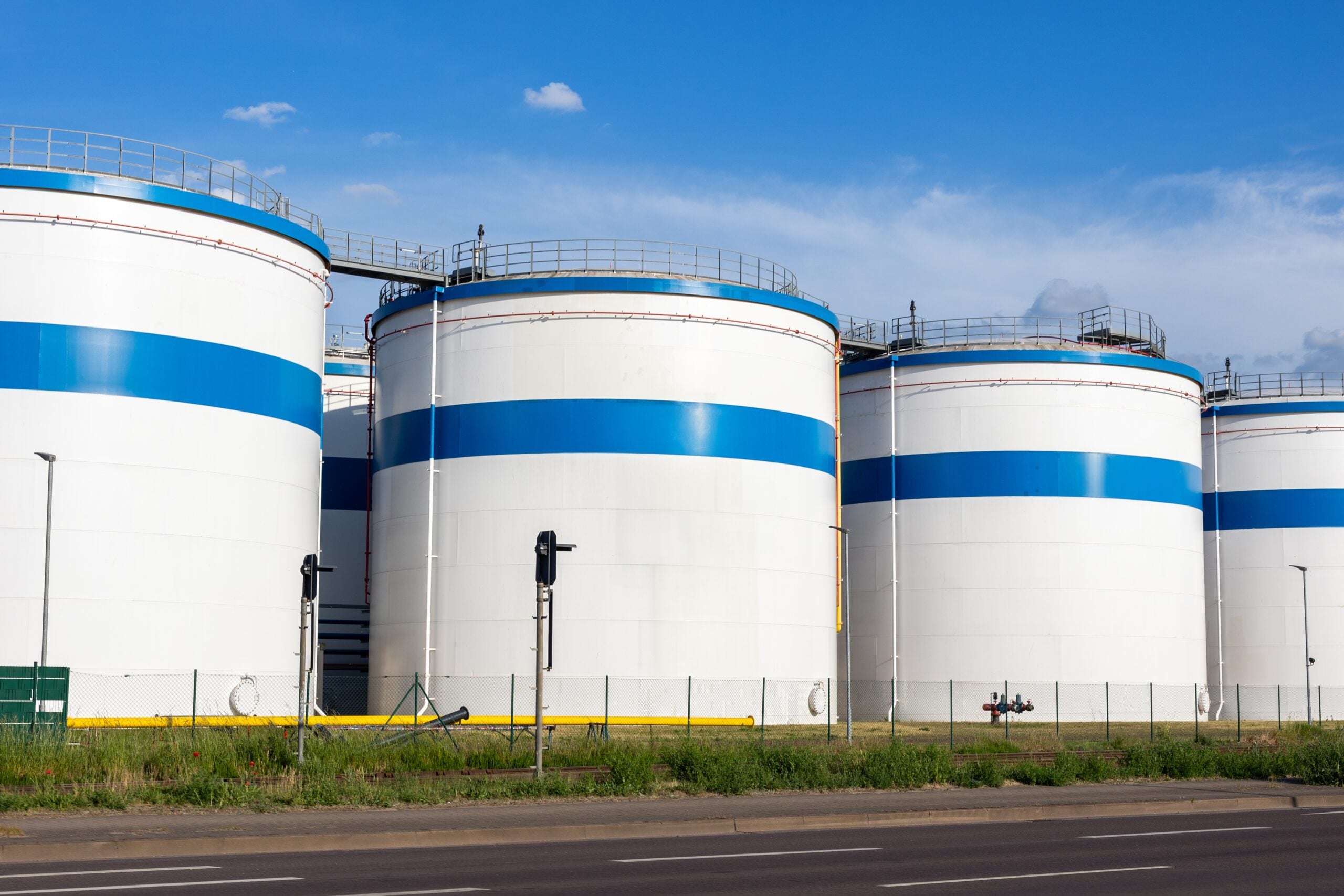
The Strategic Petroleum Reserve was created after the oil shocks of the 1970s. The Department of Energy describes its primary purpose as reducing the impact of major petroleum supply disruptions and helping the United States meet its obligations under the international energy program.
That mission is broader than simply holding oil for a military conflict. Federal law allows the president to authorize a drawdown during a severe energy supply interruption, including an emergency that sharply reduces supply, drives petroleum prices higher, and threatens the national economy.
The reserve currently consists of government-owned crude oil stored in underground salt caverns along the Gulf Coast. Its authorized storage capacity is about 714 million barrels.
What Trump Said About the Reserve in 2024
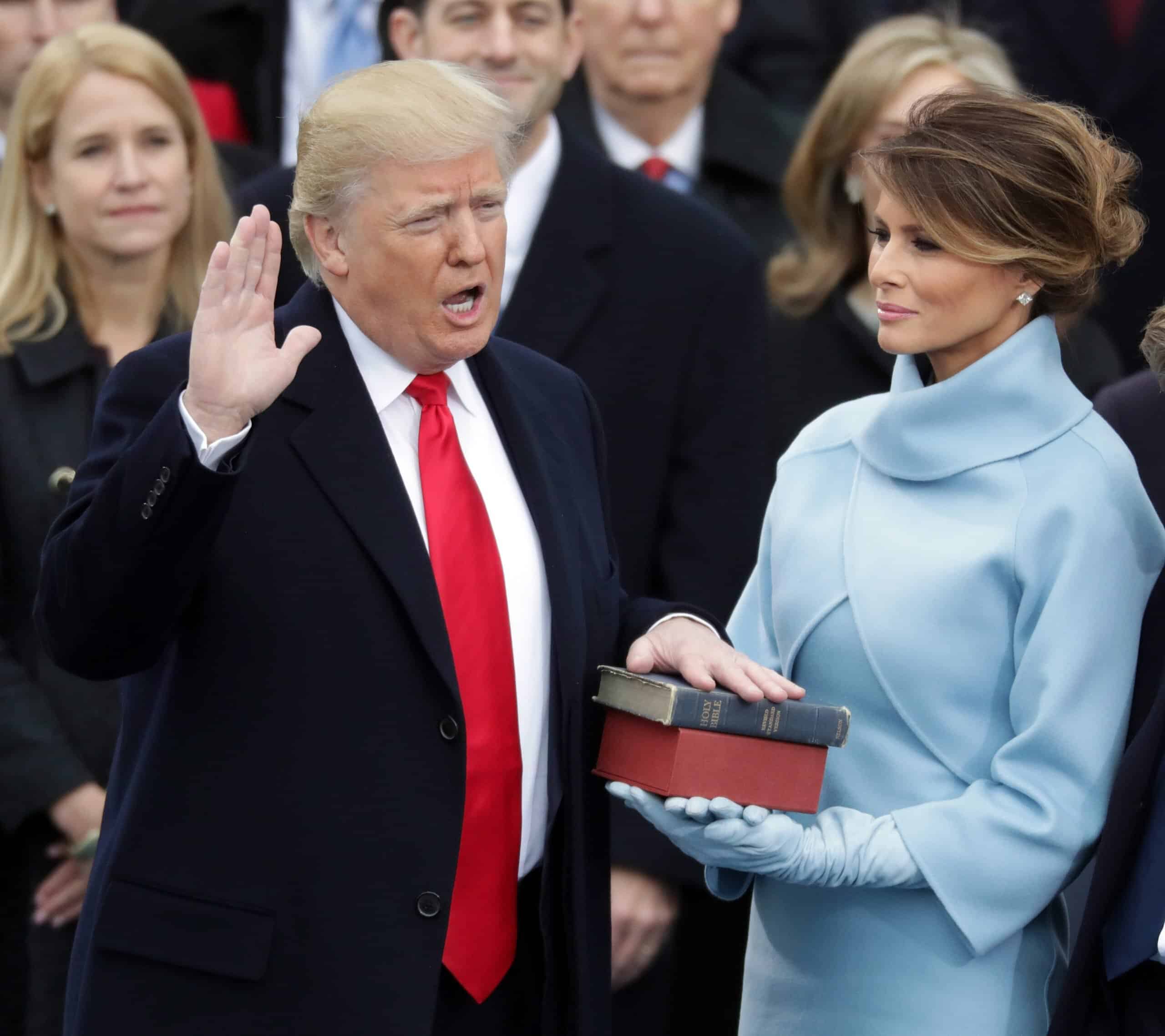
During an Aug. 7, 2024, Fox & Friends interview, candidate Donald Trump criticized the Biden administration’s use of the reserve and argued that it should be preserved for wars and other major emergencies.
He also made a specific promise: “We have to fill up the strategic reserves immediately.” Trump repeated that commitment after winning the election, including during his January 2025 inauguration.
The reserve initially did move higher. EIA data show SPR inventories rising from about 393.6 million barrels at the end of 2024 to 413.5 million barrels at the end of 2025.
The Reserve Has Since Fallen to 284.6 Million Barrels

The latest EIA weekly data available as of this writing put the SPR at 284.552 million barrels for the week ending Sept. 18, 2026.
That is nearly 129 million barrels below the 413.5 million barrels held at the end of 2025, a decline of about 31% in less than nine months.
The reserve began 2026 moving slightly higher and reached roughly 415.4 million barrels in March. The major decline began after the United States started delivering crude under the coordinated international emergency release.
It Is the Lowest SPR Level Since 1982
The current inventory is lower than anything the United States has recorded in the SPR since the fall of 1982, when the reserve itself was still being built.
EIA’s weekly history shows 284.268 million barrels on Oct. 29, 1982, followed by 284.906 million on Nov. 5. The Sept. 18, 2026, reading of 284.552 million therefore places the reserve at its lowest level in nearly 44 years.
For perspective, the SPR reached a record 726.617 million barrels in early January 2010. Today’s stockpile is about 39% of that peak.
The Middle East Conflict Changed the Refill Plan
The major shift came after military action in the Middle East began on Feb. 28, 2026. The Strait of Hormuz, one of the world’s most important energy chokepoints, became effectively closed to normal shipping for an extended period.
Before the disruption, about 20.9 million barrels of crude oil and petroleum products moved through Hormuz each day, roughly one-fifth of worldwide petroleum liquids consumption.
The disruption became so severe that the International Energy Agency described it as the largest supply disruption in the history of the global oil market. On March 11, its 32 member countries agreed to make 400 million barrels of emergency oil available.
The United States Committed 172 Million Barrels
The Trump administration committed 172 million barrels from the SPR to that international response. DOE said deliveries would take roughly 120 days, making the U.S. contribution by far the largest part of the coordinated release.
That explains why the reserve began falling so quickly in the spring. Inventory slipped from about 415.4 million barrels in mid-March to 397.9 million by late April, 357.1 million by the end of May, 304.8 million by the end of July, and 284.6 million by Sept. 18.
In other words, the decline was not an accidental failure to refill the reserve. It followed a deliberate emergency release authorized in response to a global oil-supply shock.
There Is an Important Difference Between a Sale and an Exchange

The current 2026 program is being carried out largely as an SPR exchange. That distinction matters.
In a conventional SPR sale, crude leaves federal ownership in return for cash. During an exchange, private companies temporarily receive government crude and agree to return barrels later, normally with additional oil paid as a premium.
For example, DOE said its first 45.2 million barrels awarded under the 2026 emergency exchange were contracted to return 55 million barrels to the reserve. The department has said the broader arrangement is intended to replace the crude released during the emergency with more oil than originally went out.
That does not make today’s low inventory meaningless. Those barrels are not currently sitting in the SPR. It does mean that comparing the current exchange directly with a permanent sale can miss an important part of the story.
Biden’s 2022 Drawdown Worked Differently
President Joe Biden authorized the sale of about 180 million barrels from the SPR in 2022 after Russia’s invasion of Ukraine helped disrupt global energy markets. DOE’s final accounting put the amount delivered under that emergency drawdown at roughly 180.3 million barrels.
Those barrels sold for an average of about $95 each. The Biden administration later began rebuilding the reserve, directly purchasing roughly 59 million barrels at an average price below $76 by November 2024.
DOE also worked with Congress to cancel about 140 million barrels of previously mandated future SPR sales. Those canceled sales preserved oil that otherwise would have been removed, but they were not the same thing as physically buying 140 million new barrels and pumping them into the reserve.
The SPR Set a Weekly Drawdown Record in May
The pace of the 2026 release became obvious in May. During the week ending May 15, SPR inventories fell by about 9.92 million barrels, from roughly 384.1 million to 374.2 million.
That was the largest single weekly decline in the EIA series. It followed an 8.6 million-barrel drop the previous week, which had itself been unusually large.
By the week ending May 22, the reserve stood at about 365.1 million barrels. That is important because some earlier reports placed the May inventory closer to 311 million barrels. EIA’s historical weekly series does not support that figure. The reserve did not fall below 312 million barrels until July.
Hormuz Sent Oil Prices Sharply Higher

The decision to release emergency oil came during an extraordinary shock to the physical oil market. Before the conflict, roughly 20% of global petroleum consumption moved through the Strait of Hormuz.
With shipments sharply restricted, Brent crude’s spot price averaged $117 per barrel in April and briefly reached about $138 on April 7. That was the highest monthly Brent average since June 2022.
A June agreement between the United States and Iran temporarily helped restore tanker traffic, but renewed hostilities disrupted flows again in July. By September, EIA still expected Middle Eastern export constraints to persist through the end of 2026.
Oil and Gasoline Prices Remain Elevated
The oil market has remained volatile rather than moving in a straight line. EIA data put Brent crude at $114.89 per barrel on Sept. 22, while West Texas Intermediate stood at $96.41.
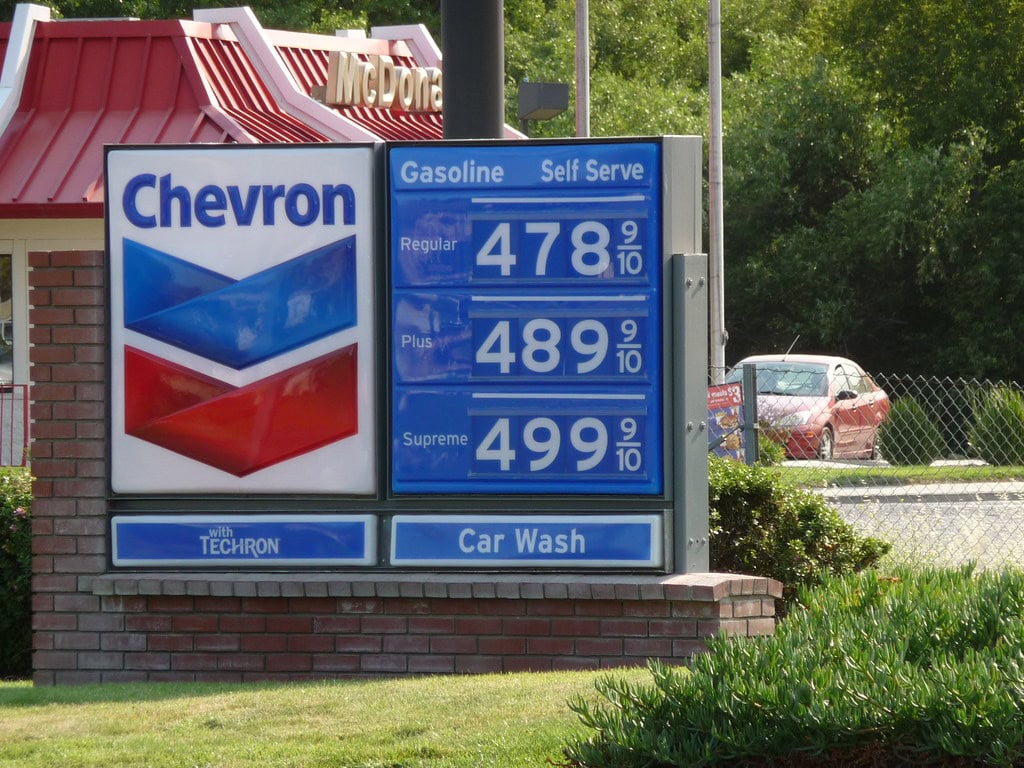
U.S. gasoline prices have followed the same broad pattern. Regular gasoline averaged $2.94 per gallon in late February, before the conflict significantly disrupted oil flows. By the week of Sept. 21, the national average had risen to about $4.48 per gallon.
EIA’s September outlook forecasts Brent averaging about $91 per barrel for all of 2026 and U.S. regular gasoline averaging about $3.84 per gallon for the year. Those are annual averages, so they smooth over the much larger price swings seen during the conflict.
The “14 Days of Oil” Comparison Needs Context

Divide today’s roughly 284.6 million SPR barrels by expected U.S. petroleum consumption of around 20.6 million barrels per day and you get a little under 14 days. That makes for a striking number, but it should not be interpreted as the United States having only two weeks of oil left.
The SPR holds crude oil, while Americans consume a wide range of refined petroleum products. The country also produces enormous amounts of crude domestically, imports and exports oil every day, and holds hundreds of millions of barrels in commercial inventories.
International emergency-stock obligations are also based largely on net import protection rather than simply dividing an emergency reserve by total national consumption. Because the United States is now a net exporter of petroleum overall, the old “days of imports” comparisons from decades ago are no longer directly comparable.
America Is Producing Record Amounts of Crude Oil
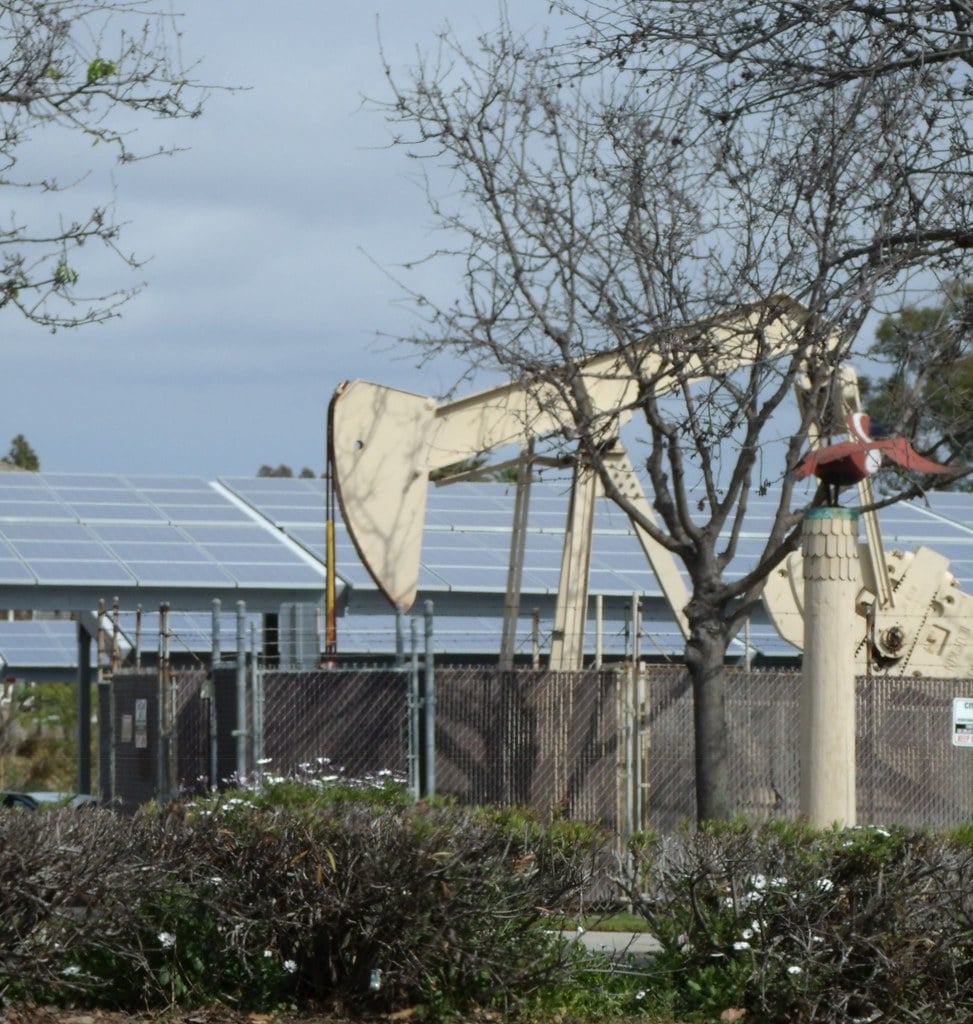
A historically low SPR does not mean U.S. oil production is historically low. It is almost the opposite.
EIA expects American crude production to average about 13.8 million barrels per day in 2026, which would set another annual record after the 13.7 million-barrel-per-day record reached in 2025.
Commercial crude inventories are separate from the government’s emergency reserve. They stood at roughly 426.4 million barrels in the week ending Sept. 18, more than the amount currently held in the SPR.
The concern surrounding the SPR is therefore not that America has suddenly run out of oil. It is that the federal government’s dedicated emergency buffer is substantially smaller than it was before the current Middle East disruption.
The Latest EIA Forecast No Longer Shows a Drop to 243 Million Barrels
EIA’s forecasts have changed dramatically as the conflict and the emergency-release schedule evolved.
The agency’s May 2026 outlook projected the SPR falling to about 243.5 million barrels by the end of the year. That forecast has since been superseded.
In its September outlook, EIA projects the reserve at about 282.1 million barrels at the end of both the third and fourth quarters of 2026. That is very close to today’s actual inventory.
More importantly, EIA currently projects the reserve climbing to roughly 385.3 million barrels by the end of 2027 as oil is returned under the exchange program. That forecast can still change with the conflict, contract schedules, and future government decisions.
What to Watch From Here

The simplest number to follow is EIA’s weekly SPR inventory. It shows exactly how much government-owned crude remains in storage and whether the current drawdown has finally stopped.
The second number is the volume of oil returning under the 2026 exchange contracts. Those returns will determine whether the reserve begins rebuilding as projected or remains near the lowest levels seen since the early 1980s.
Then there is the much larger variable: the Middle East oil market. If tanker traffic through Hormuz continues recovering and regional production returns, pressure on emergency inventories should ease. If disruptions intensify again, the government will have to weigh the remaining SPR inventory against the severity of another supply shock.
Trump did promise to refill the reserve, and the reserve is now much lower than when his second term began. The reason matters, though. The biggest decline came after his administration deliberately released emergency oil during the largest global supply disruption the IEA says it has ever recorded, using an exchange structure designed to bring barrels back later.
Contact [email protected] for any questions or corrections.