The U.S. Just Drained Its Oil Reserve to a 43-Year Low. Should Investors Be Concerned?
Energy markets are finally beginning to stabilize after months of turmoil. Despite the Iran war and the closure of the Strait of Hormuz disrupting global oil supplies, benchmark U.S. crude has fallen back to $68.63 a barrel as domestic production…


Energy markets are finally beginning to stabilize after months of turmoil. Despite the Iran war and the closure of the Strait of Hormuz disrupting global oil supplies, benchmark U.S. crude has fallen back to $68.63 a barrel as domestic production is rising and a truce between the U.S. and Iran has been reached.
Yet one number continues moving in the opposite direction. America’s Strategic Petroleum Reserve (SPR) has dropped to its lowest level in 43 years, prompting fresh concerns that the country is leaving itself vulnerable to the next energy crisis.
Although the headline is attention-grabbing, the mechanics behind the current drawdown suggest the situation is more reassuring than it first appears.
The SPR Is Shrinking at a Historic Pace
According to the U.S. Energy Dept., the SPR declined another 5.5 million barrels last week, leaving just 326 million barrels in storage — the lowest level since May 1983.
The decline also marked the 13th consecutive weekly drawdown, the longest streak since the 2021-2023 emergency releases. Over that period, the reserve has fallen by 89 million barrels.
Viewed alone, those figures suggest the U.S. is rapidly exhausting its emergency stockpile. Yet that interpretation overlooks why the barrels are being released and how they are expected to return.
The Release is Misunderstood
Unlike emergency releases intended to supply U.S. refiners after hurricanes or domestic disruptions, this coordinated 172 million-barrel program — organized with the International Energy Agency — is designed to stabilize global oil markets after supply losses tied to the Iran conflict and the closure of the Strait of Hormuz.
Much of the oil stored in the SPR is light, sweet crude. Many U.S. refineries are built to process heavier, sour crude imported from countries such as Canada, Mexico, and the Middle East. European and Asian refineries, by contrast, are often better suited to refining light crude.
In other words, many of these barrels are flowing into global markets where they are needed most rather than directly lowering gasoline supplies in the U.S. Importantly, these releases are also structured as loans, not outright sales.
Companies receiving the oil are legally obligated to return equivalent barrels later, along with an additional 18% to 24% premium in oil. That premium is designed to leave the SPR larger than before once the transactions are completed.
The Bigger Picture Looks More Balanced
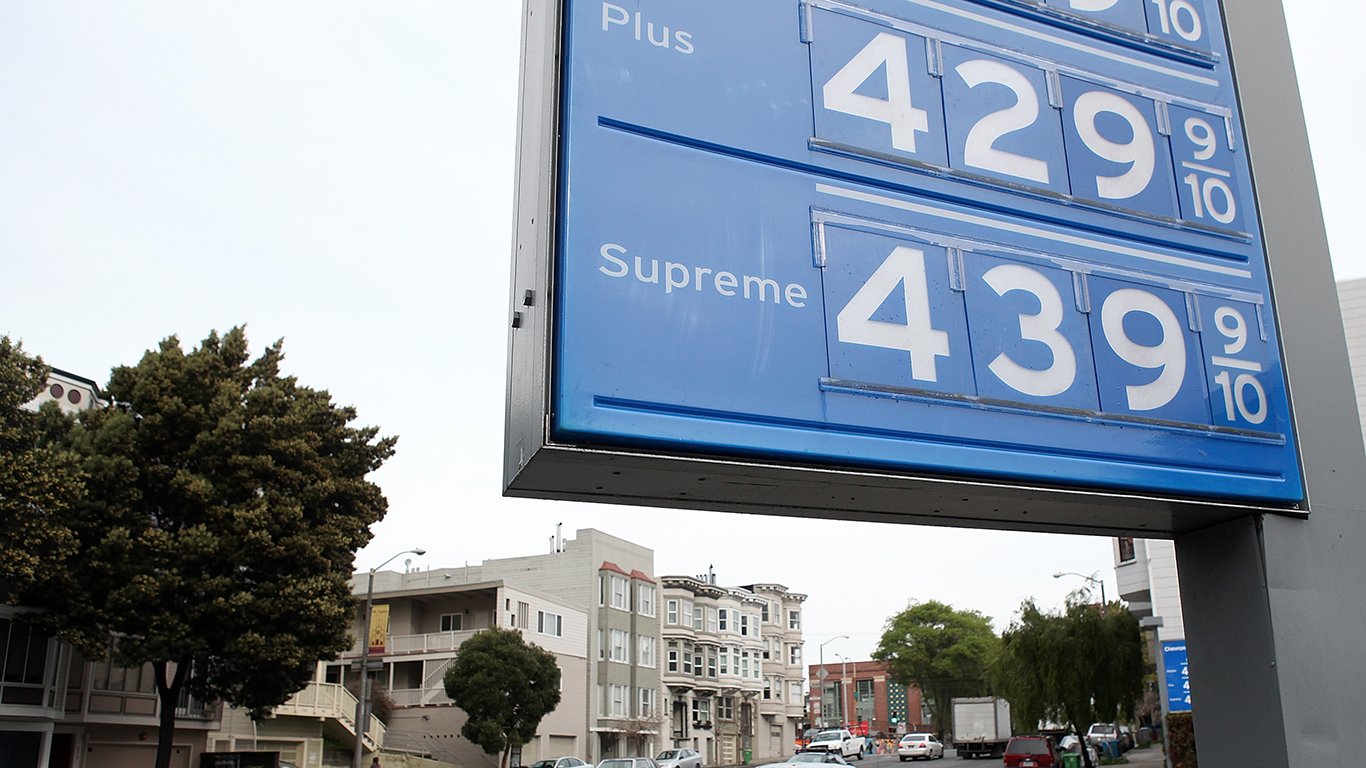
Granted, inventories outside the SPR remain tight. ZeroHedge says crude inventories at the Cushing point of delivery remain near “tank bottoms;” Oilprice.com calls it “operational-stress levels.” Moreover, Gulf Coast gasoline inventories have dropped to their lowest level since October 2024 and stand at their lowest seasonal level since 2015. Nationwide, inventories are at their lowest level for this point in the year since 2014.
Those are legitimate concerns worth monitoring. Yet, U.S. production remains close to record highs, drilling activity continues to expand as rig counts rise, and oil prices have retreated well below the triple-digit levels many feared earlier this year.
Perhaps most importantly, the government has already demonstrated its ability to replenish reserves. Between July 2023 and March 2026, the U.S. added roughly 69 million barrels back into the SPR.
Current plans call for replenishing the reserve over the next year, when lower oil prices are expected, while collecting the returned loaned barrels plus their premium. That process could restore the reserve and add roughly 40 million extra barrels without additional cost to taxpayers.
Key Takeaway
In short, the headline number deserves attention but not panic. Yes, the SPR sits at its lowest level since 1983, but the drawdown reflects a coordinated effort to stabilize global oil markets during an extraordinary supply disruption — not a permanent depletion of America’s emergency stockpile.
Ultimately, investors should focus less on the shrinking headline inventory and more on the structure of the program. Because these barrels are loans that must be repaid with an 18% to 24% on top, the reserve could emerge larger than it is today once global markets normalize. Combined with near-record U.S. production and lower oil prices, today’s depletion looks less like a long-term vulnerability and more like a strategic use of an asset that is being used as designed.
Contact [email protected] for any questions or corrections.
After two decades of patrolling the dark corners of suburbia as a police officer, Rich Duprey hung up his badge and gun to begin writing full time about stocks and investing. For the past 20 years, he’s been cruising the markets looking for companies to lock up as long-term holdings in a portfolio while writing extensively on the broad sectors of consumer goods, technology, and industrials. Because his experience isn’t from the typical financial analyst track, Rich is able to break down complex topics into understandable and useful action points for the average investor. His writings have appeared on The Motley Fool, InvestorPlace, Yahoo! Finance, Money Morning, and, of course, 24/7 Wall St. He has been featured in both U.S. and international publications, including MarketWatch, Financial Times, Forbes, Fast Company, and USA Today.