Used Cars Are the New Luxury Vehicles: 3-Year Old Beaters Now Cost Over $32,400
The used-car lot was once every budget buyer's escape hatch from new-car prices, but something has gone badly wrong with that math. Find out why shoppers stretching every dollar are now accidentally funding a windfall for a completely different industry.

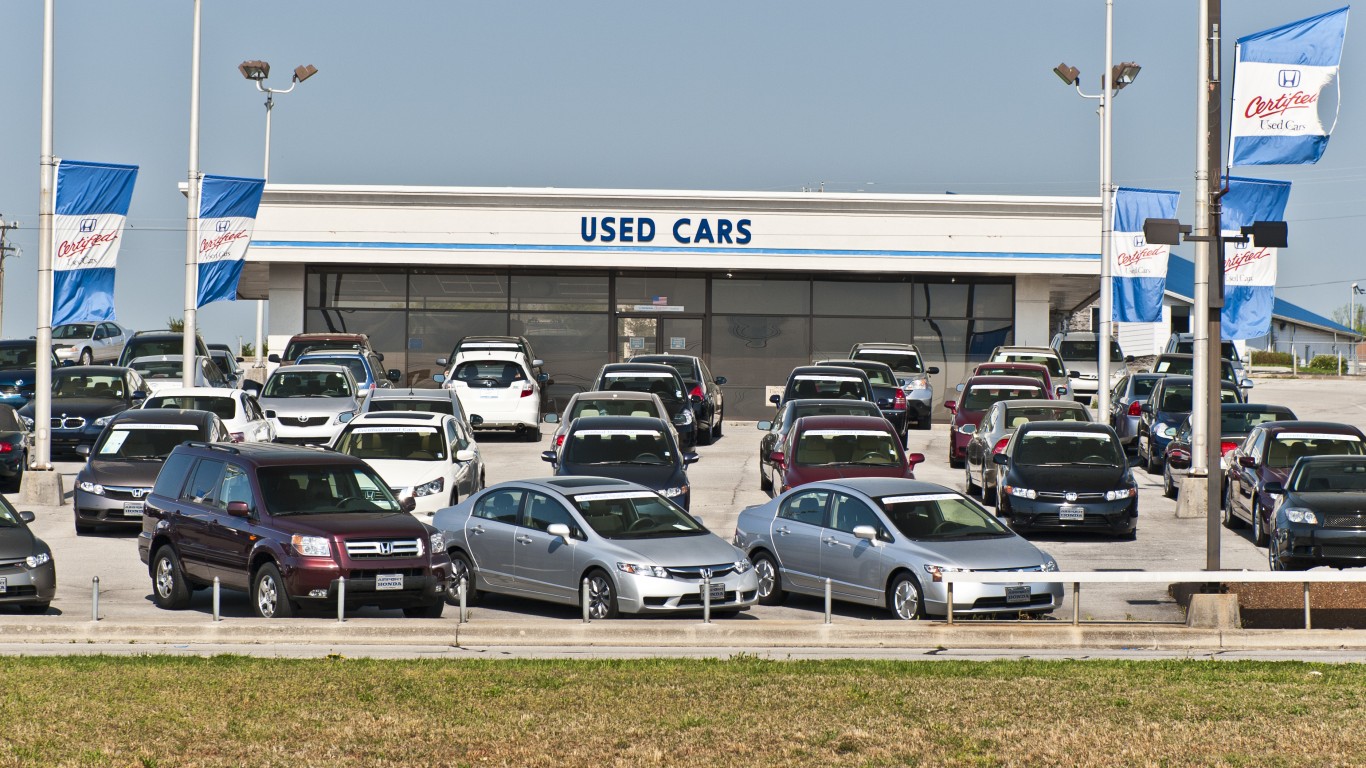
For generations of American drivers, the used-car lot was the escape hatch. New vehicles became too expensive, so buyers let somebody else eat the depreciation and picked up a three-year-old car at a reasonable discount.
That bargain is disappearing. Pandemic production disruptions reduced the supply of vehicles reaching the used market, while years of rising new-car prices reset what buyers expect to pay. The result is a market where “used” no longer necessarily means “affordable.”
For investors, that shift has implications extending well beyond dealerships. Americans are increasingly being forced to keep older vehicles running longer — potentially creating a durable tailwind for the auto-parts and repair industries.
Yesterday’s New-Car Price Is Today’s Used-Car Price
Edmunds’ Q2 2026 Used Vehicle Market Report puts the average transaction price of a three-year-old vehicle at $32,461, up 4% from a year ago and above the previous Q2 record of $31,628, set during the pandemic-era pricing frenzy in 2022.
But here is the number that puts today’s market in perspective: Kelley Blue Book reported the average new vehicle transaction price in January 2014 was just $32,299. In other words, buyers today are paying slightly more for the average three-year-old vehicle than Americans paid for the average brand-new car just 12 years ago.
And prices have moved quickly. Edmunds says a three-year-old used vehicle averaged about $22,591 in Q2 2019, meaning today’s $32,461 price represents an increase of roughly $9,870, or 44%, in seven years.
$15,000 Doesn’t Buy What It Used To
The real affordability problem shows up further down the price ladder. In Q2 2019, a buyer spending $10,000 to $15,000 got a vehicle averaging 4.7 years old with 58,250 miles. Today that budget buys one averaging 8.7 years old and 98,222 miles.
That’s four additional years of age and nearly 40,000 extra miles without spending a penny less.
Affordable inventory is disappearing, too. Vehicles priced below $20,000 represented 55.2% of used sales in 2019. By Q2 2026, their share had fallen to just 31.8%. Meanwhile, vehicles priced above $30,000 more than doubled their share, from 16.8% to 35.8%.
Used cars haven’t merely gotten more expensive. The entire market has moved upscale.
The Investment Opportunity Is Under The Hood
Ironically, that could make the biggest winners companies that help drivers avoid buying another vehicle.
As consumers stretch ownership cycles, older cars require more brakes, batteries, belts, filters, suspension components, and routine repairs. That puts aftermarket retailers such as AutoZone (NYSE:AZO | AZO Price Prediction), O’Reilly Automotive (NASDAQ:ORLY), and NAPA Auto Parts retailer Genuine Parts (NYSE:GPC) in an attractive position.
The thesis is straightforward: If a $15,000 replacement car comes with nearly 100,000 miles anyway, repairing the vehicle already sitting in the driveway starts looking much more reasonable.
Key Takeaway
In short, America’s used-car affordability crisis isn’t simply a temporary price spike. Edmunds’ data shows the inexpensive end of the market is shrinking while buyers get older, higher-mileage vehicles for the same money.
For investors, that makes the aging vehicle fleet worth watching closely. Used-car dealers may benefit from elevated prices, but aftermarket parts and repair businesses could have the cleaner long-term opportunity — because when replacing a car becomes a luxury, keeping the old one alive becomes a necessity.
Contact [email protected] for any questions or corrections.
After two decades of patrolling the dark corners of suburbia as a police officer, Rich Duprey hung up his badge and gun to begin writing full time about stocks and investing. For the past 20 years, he’s been cruising the markets looking for companies to lock up as long-term holdings in a portfolio while writing extensively on the broad sectors of consumer goods, technology, and industrials. Because his experience isn’t from the typical financial analyst track, Rich is able to break down complex topics into understandable and useful action points for the average investor. His writings have appeared on The Motley Fool, InvestorPlace, Yahoo! Finance, Money Morning, and, of course, 24/7 Wall St. He has been featured in both U.S. and international publications, including MarketWatch, Financial Times, Forbes, Fast Company, and USA Today.