Intel Drops 4% as Elon Musk Signals Taiwan Semiconductor Could Join Terafab; AMD Slips, NVIDIA Holds Steady
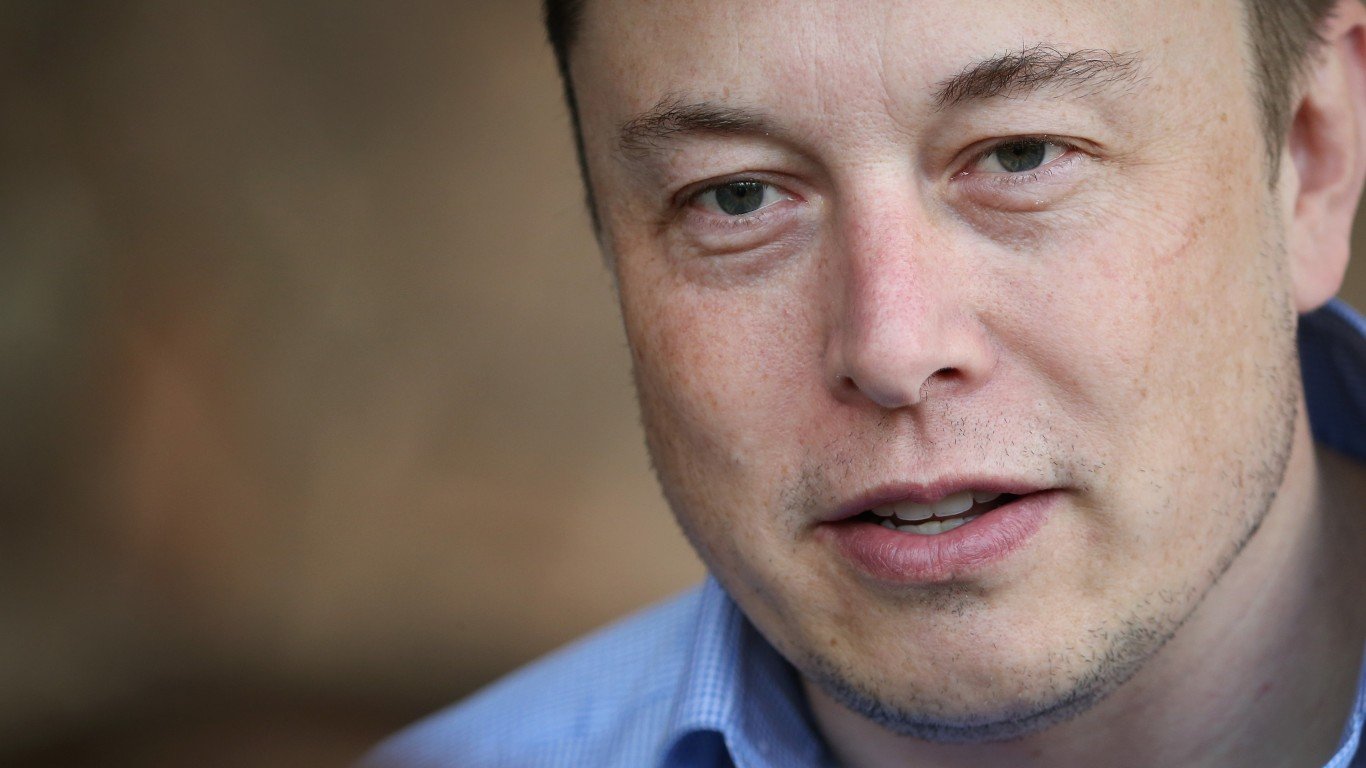
Elon Musk confirmed talks that could bring a second chipmaker into his Texas manufacturing venture, and Intel stock is paying the price before any deal even exists.

This post may contain links from our sponsors and affiliates, and Flywheel Publishing may receive compensation for actions taken through them.
A weekend comment about a Texas chip venture is testing the most visible outside endorsement of Intel‘s (NASDAQ:INTC | INTC Price Prediction) foundry turnaround. Intel stock is at $114.52, down 4% in morning trading, carrying a loss the rest of the chip group isn’t sharing. At issue is whether Intel keeps its singular role at one of the most closely followed chip projects in the U.S.
The selling pressure is barely reaching Advanced Micro Devices (NASDAQ:AMD) and NVIDIA (NASDAQ:NVDA). AMD stock is at $628.89, down 0.8%, while NVIDIA stock is up 0.5%.
For a read on the wider sector, the iShares Semiconductor ETF (NASDAQ:SOXX) is down 0.7%, and the Invesco QQQ Trust (NASDAQ:QQQ) is down 0.2%. The move in Intel stock is its own.

Terafab Talks Put Intel’s Foundry Seat in Play
Taiwan Semiconductor Manufacturing (NYSE:TSM), the world’s largest dedicated contract chipmaker, is central to the weekend news. Elon Musk, CEO of Tesla (NASDAQ:TSLA), confirmed that discussions between Taiwan Semiconductor and Terafab, his Texas chip venture, are under way, describing them as “Just discussions, but something may come of it.” Intel joined Terafab in April as the venture’s sole named manufacturing partner, with Intel’s next-generation chipmaking technology designated as the facility’s only identified process.
Terafab’s planned output is reserved for Musk’s own companies, which made Intel’s role there a showcase for its manufacturing ambitions and a signal to other potential foundry customers, and a Taiwan Semiconductor role would place an established contract manufacturer alongside Intel at the project Intel backed first. That shift carries weight because Intel’s external foundry revenue came to just $293 million in the second quarter of 2026, leaving few outside wins as visible as Terafab.

Susquehanna Points to Processor Share Losses
Susquehanna added a second concern, stating that Intel has likely continued to lose central processing unit (CPU) share in laptops and desktops during the third quarter of 2026, with AMD gaining ground. Those sections sit inside Intel’s Client Computing Group, which generated $8.88 billion in revenue in the second quarter.
Intel’s bull case rests on Terafab being one project inside a wider foundry turnaround that has already lifted Intel stock sharply higher this year, and Musk’s own words frame the talks as early. Output on Intel’s 18A node ran 25% above target in the second quarter, and Intel Foundry revenue reached $5.8 billion. On the July earnings call, Intel CEO Lip-Bu Tan stated that he is “more confident than ever of the strategic significance and unique value proposition of Intel foundry.”
The bear case holds that Intel’s seat at Terafab served as its most visible outside validation. Adding Taiwan Semiconductor would reduce that standing just as Susquehanna describes share losses in Intel’s core processor business. Losses at Intel Foundry still reached $2.1 billion in the second quarter, and Intel stock trades at 63x forward earnings, which leaves little room if either concern deepens.
What to Watch Next
Management stated on the second-quarter call that version 0.9 of its Intel 14A process design kit was on track for October, a milestone Intel tied to growing external customer interest. Any formal Terafab agreement with Taiwan Semiconductor could change how the market values Intel’s position at the project.
Intel’s turnaround is showing measurable progress. The progress is in yields, output and foundry revenue, though Terafab now looks like a shared proof point, and a premium forward multiple leaves investors little room if Taiwan Semiconductor’s role grows.
Contact [email protected] for any questions or corrections.
David Moadel is financial writer specializing in stocks, ETFs, options, precious metals, and Bitcoin. David has written well over 1,000 articles for leading online publications, helping investors understand markets, income strategies, and risk.His work has appeared in The Motley Fool, InvestorPlace, U.S. News & World Report, TipRanks, ValueWalk, Benzinga, Market Realist, TalkMarkets, Finmasters, 24/7 Wall St., and others.With a master’s degree in education, David has taught at the elementary, high school, and college levels. That teaching background shapes his writing style: clear, educational, and practical. David has also built a loyal social-media audience by providing trustworthy financial content on YouTube, X/Twitter, and StockTwits.