Six Flags Stock Drops 10% After Hours Following a Fatal Roller Coaster Incident in Georgia
A fatal incident at Six Flags Over Georgia sent the stock tumbling after hours, but the ride closure spreading to parks nationwide may matter far more to investors than the tragedy itself, and the company has no financial cushion to…

This post may contain links from our sponsors and affiliates, and Flywheel Publishing may receive compensation for actions taken through them.
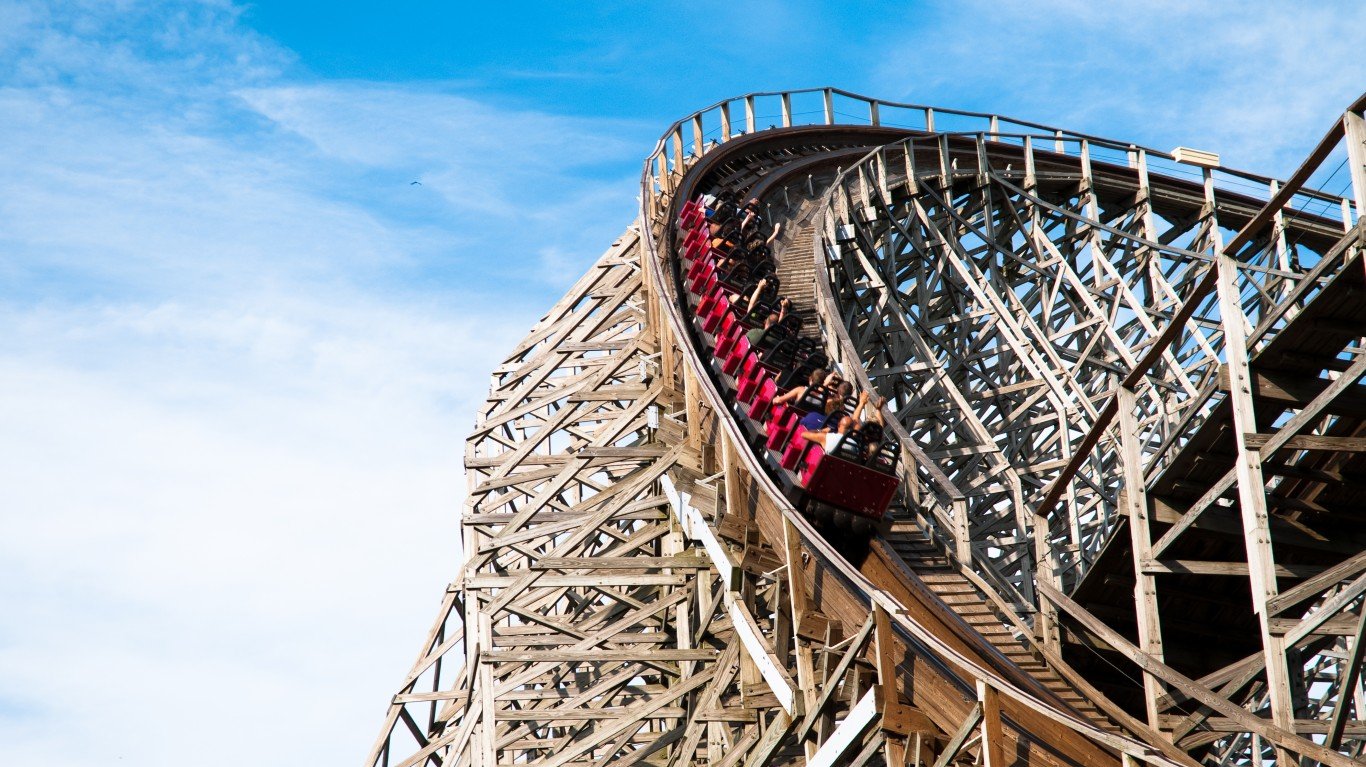
A park visitor died, and four others were reported injured on October 12, 2026, in an incident involving the Goliath roller coaster at Six Flags Over Georgia in Austell, Cobb County. Police said it happened just before 4 p.m. and that detectives with the Major Crimes Unit are looking into what they called “an incident involving a roller coaster.”
No cause has been given, and police have not identified the victim. Witnesses told a local station they saw a man fall from the coaster. Police have not confirmed that account.
Six Flags Entertainment (NYSE:FUN) closed the regular session at $11.92, up 4.43%. That gain ended at the closing bell, around the time of the incident, so it says nothing about the news.
After hours, the stock fell to $10.69 at 7:58 p.m. Eastern, down 10.34%. It trimmed that loss to 8.8% by 8:39 p.m., trading at $10.87.
The stock was already near the bottom of its range, with a one-year low of $10.45, a high of $27.37, and a one-year change of -40.58%.
What Six Flags Has Confirmed
The ride stopped with a set of cars near the top, and staff evacuated riders four at a time. Goliath reaches 200 feet and 70 mph. It cost $20 million to build when it opened in 2006.
The company said, “We are deeply saddened by the guest incident at our park today,” and added that “we are cooperating fully with local authorities as they complete their investigation.” It also said, “Out of respect for the family’s privacy, we will not be sharing additional details at this time.” The company has not said anything about the cause.
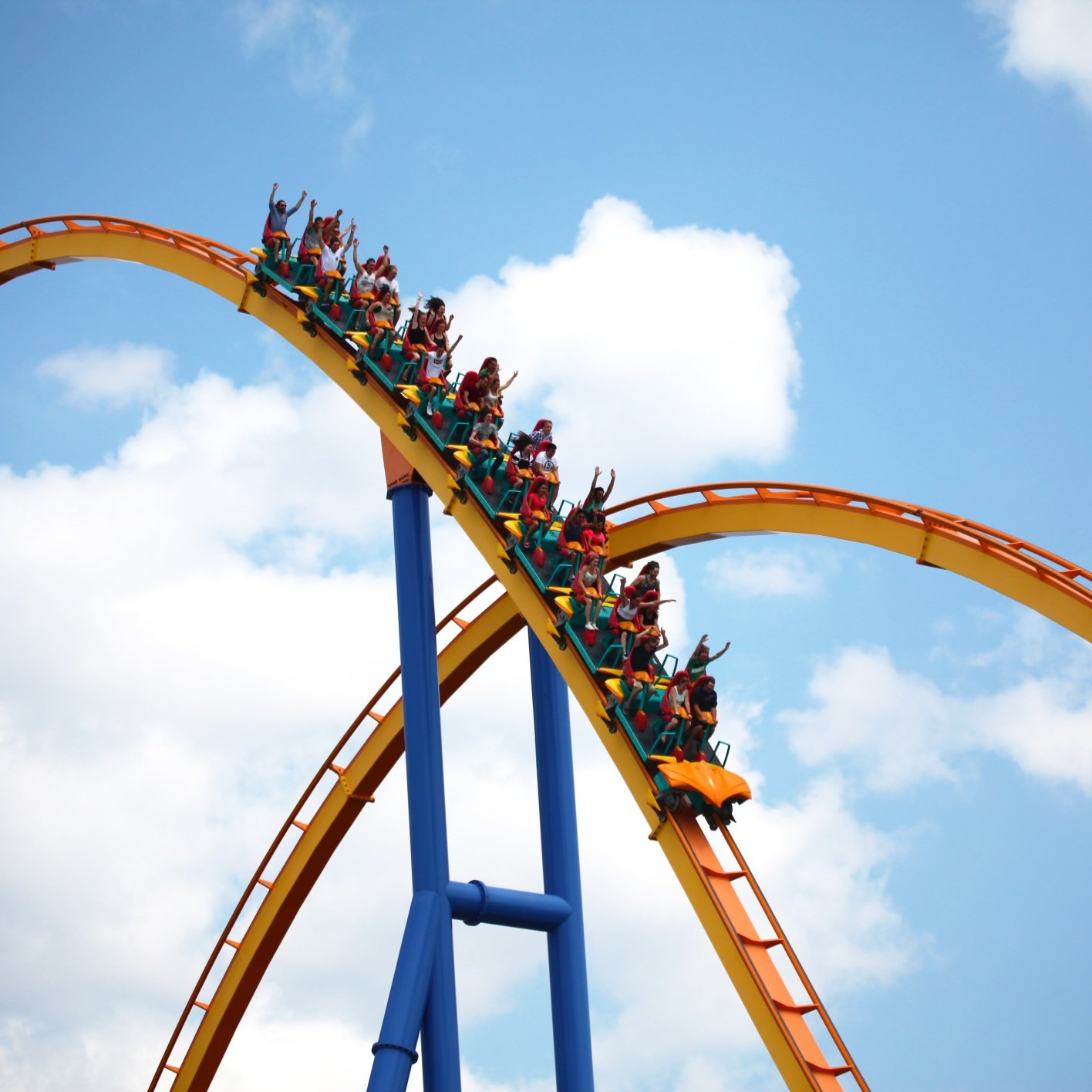
A second statement said, “Out of an abundance of caution, we have temporarily closed similar attractions across our parks.” Raging Bull at Six Flags Great America in Gurnee, Illinois, is among the closed rides.
For investors, the closings matter more than the single incident. Marquee coasters are what sell admissions and season passes in October, when Halloween events run. In August, management called Halloween and Holiday in the Park the greatest opportunity in the fourth quarter. The company has not said how long the closings will last, and markets cannot price an open-ended shutdown.
A Balance Sheet With No Cushion
Debt stands at 44.95 times equity, and interest coverage is 0.87. A figure below 1 means operating earnings did not cover interest expense.
The trailing net loss is $1.75 billion on $3.06 billion of revenue. Against that stands a market value of $1.22 billion, below about $4.99 billion of debt, so any hit to demand lands on shareholders first. A park operator with a stronger balance sheet would likely weather a headline like this with less pressure on shareholders.
In September, Six Flags Magic Mountain in California said it would close its X2 coaster after lawsuits claiming serious brain injuries. The company recently settled a wrongful-death suit brought by the family of a 22-year-old who died after riding X2 in 2022. Three more suits claiming traumatic brain injuries were filed in the week before October 12.
Nobody knows yet what caused the Goliath incident. Still, plaintiffs, insurers and regulators were already watching this operator, and that scrutiny costs money the company can barely spare.
What Investors Should Weigh Before the Next Earnings Report
The human cost comes first, and nobody can measure the financial cost yet, but the balance sheet leaves shareholders little room if closings run through October.
Disney (NYSE:DIS | DIS Price Prediction) offers a useful comparison among theme park operators. Its debt is 0.41 times equity, and its interest coverage is 7.63. In its latest quarter, operating income in the parks and cruises division rose 20% to $3.02 billion. Disney trades at about 15 times earnings, and its balance sheet can weather a bad quarter in a way Six Flags cannot.
This view would be wrong if Six Flags reopens the closed coasters before Halloween and authorities release a cause. The next test is the third-quarter report, expected November 5, 2026, before the market opens (the date remains unconfirmed). A close below $10.45 would set a new one-year low.
Contact [email protected] for any questions or corrections.
Omor Ibne Ehsan is a writer at 24/7 Wall St. He is a self-taught investor with a focus on growth, cyclical, and dividend equities that have strong fundamentals, value, and long-term potential. He also has an interest in high-risk, high-reward investments such as penny stocks.