Alphabet Might Use Waymo to Destroy Tesla’s First-Mover “Robotaxi Monopoly” Premium
Waymo just crossed a milestone that directly threatens the premium investors pay for Tesla's autonomy story, and Alphabet has a nearly unlimited funding engine to keep pushing. Whether Tesla's camera-only bet can hold its valuation lead depends on what the…

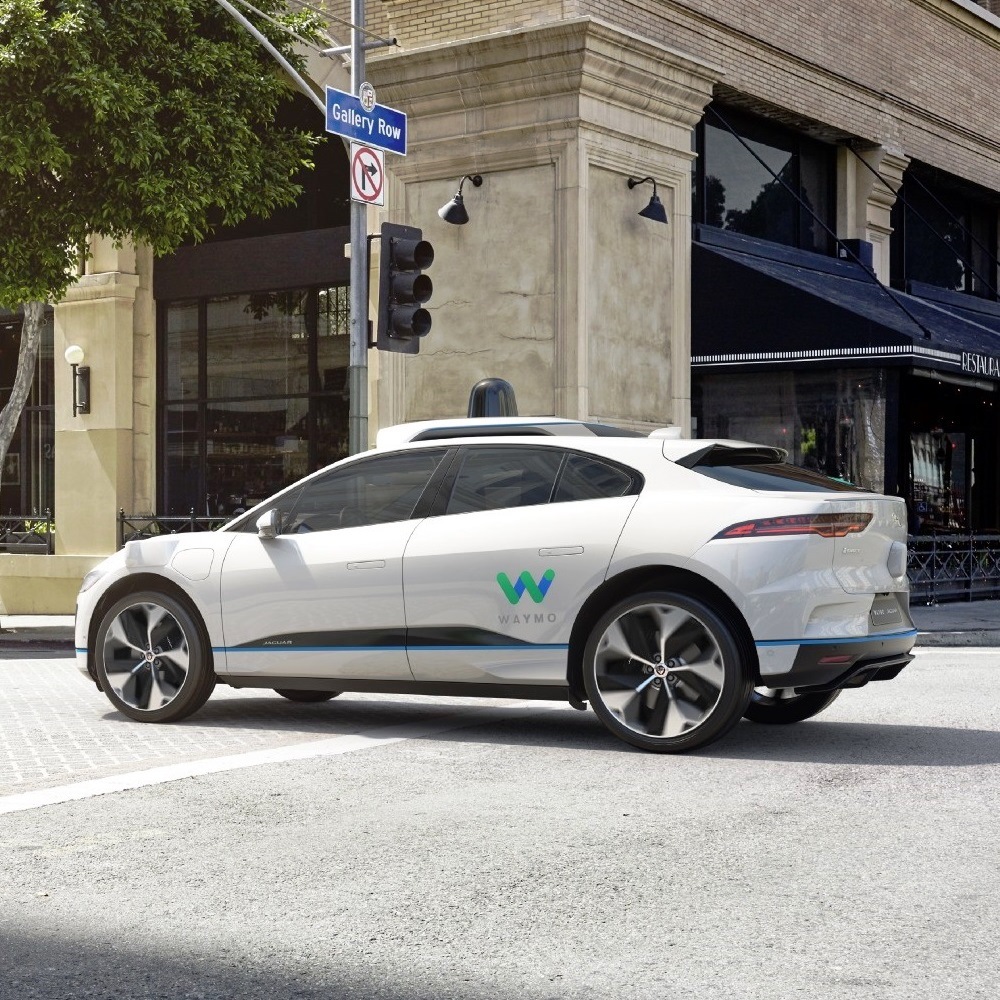
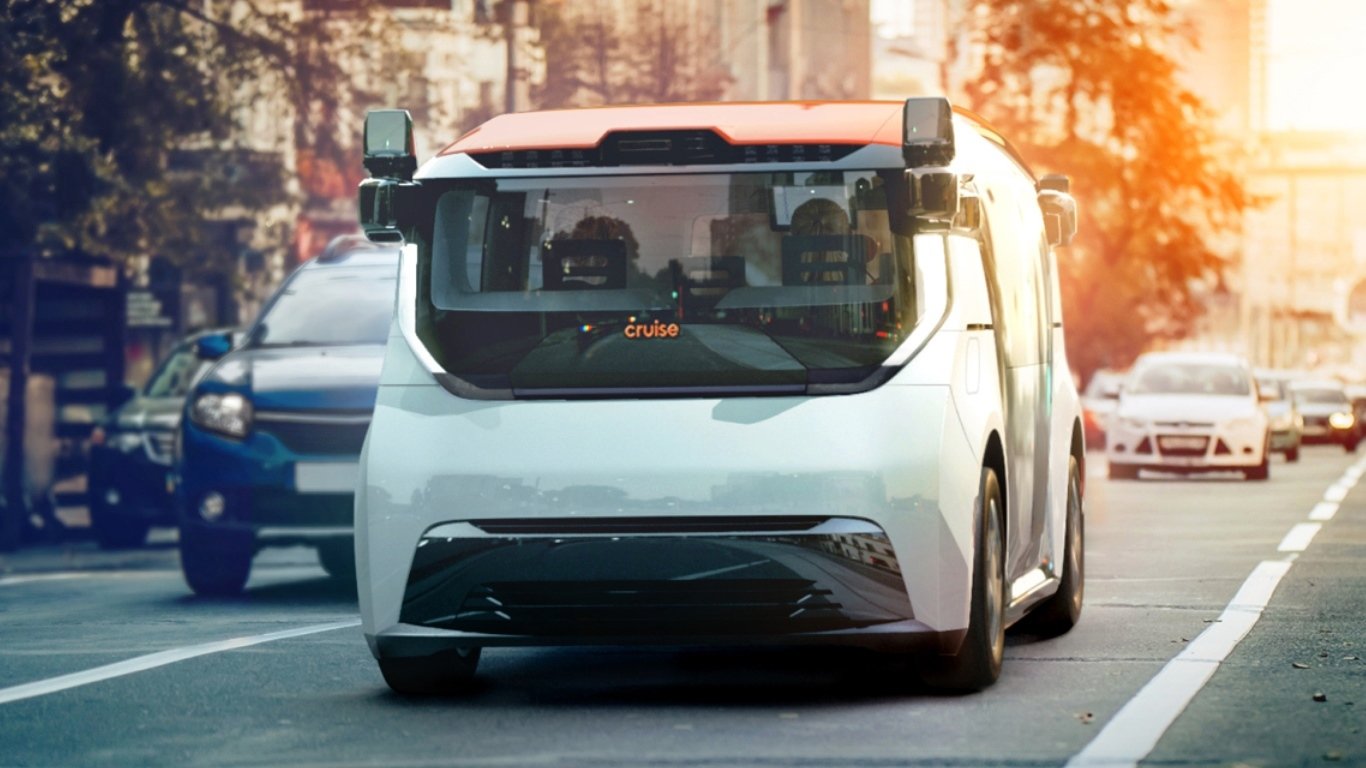
Alphabet (NASDAQ:GOOGL | GOOGL Price Prediction) and Tesla (NASDAQ:TSLA) both reported second-quarter results on July 22, 2026. Robotaxis ran through both reports. Tesla gave up margin to push unsupervised rides into new cities. Alphabet grew Cloud rapidly while Waymo expanded inside Other Bets. Third-quarter reports are close, so the question is whether Waymo reduces the premium investors pay for Tesla’s autonomy story.
Cloud Cash Funds Waymo as Tesla’s Margins Thin
Alphabet’s revenue rose 24.2% to $119.80 billion, and operating margin expanded to 34%. That shows the core business is still getting more profitable. Google Cloud grew 82%, and CEO Sundar Pichai credited “demand for AI infrastructure and AI solutions.” That engine pays for Waymo. Waymo passed 500,000 fully autonomous rides per week in the first quarter, after a $16 billion February funding round that Alphabet mostly paid for.
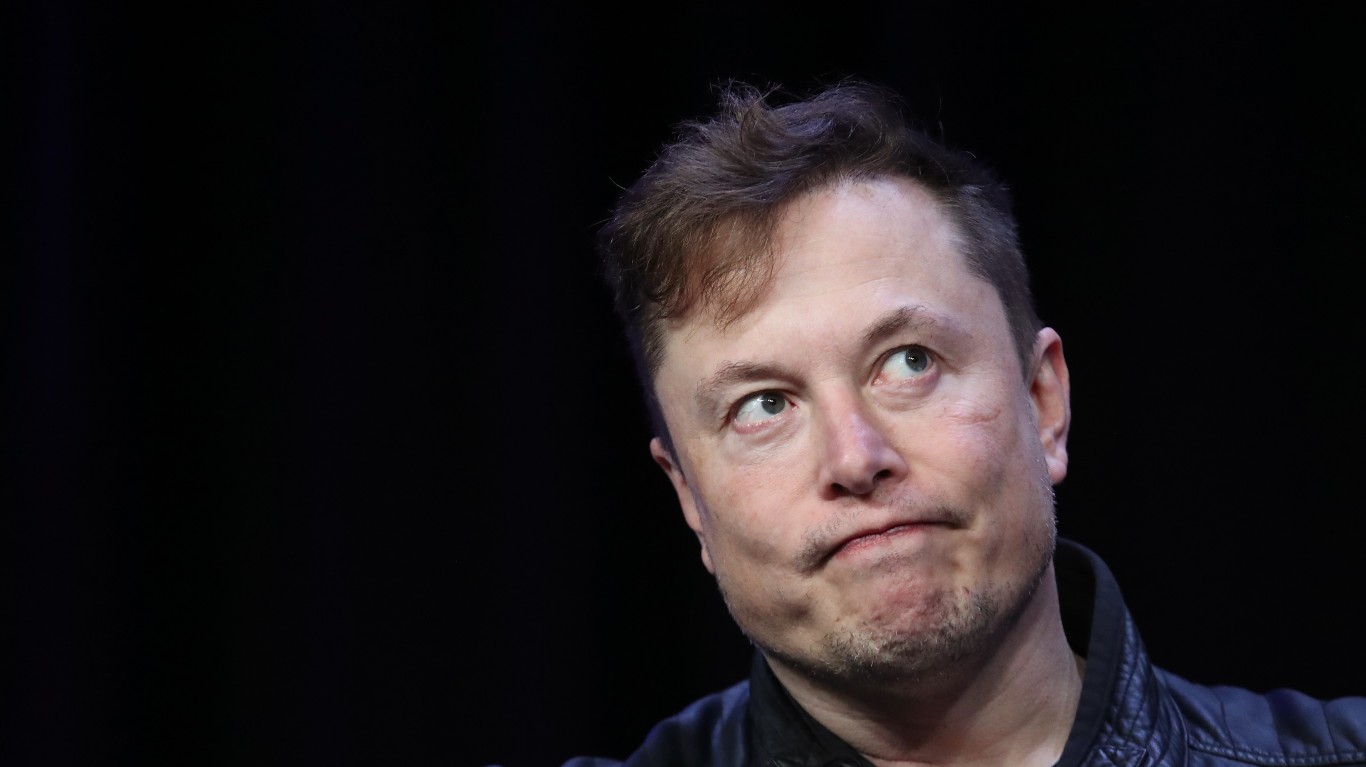
Tesla grew revenue 25.5% to $28.24 billion on record deliveries. Even so, non-GAAP EPS of $0.33 missed the $0.54 estimate. Operating margin fell to 1.4%, which leaves almost no buffer. On the call, Tesla’s VP of AI reported “more than 380,000 miles of unsupervised Robotaxi” with “zero notable incidents.” Elon Musk called reliability the key limit on growth and predicted demand will exceed supply.
| Robotaxi Lens | Waymo (Alphabet) | Tesla |
|---|---|---|
| Expanded Signal | 500,000+ rides per week | 380,000+ unsupervised miles |
| Funding Source | $16B round, mostly Alphabet | Capex above $25B, debt facilities up to $30B |
| Valuation | About 15x earnings | About 382x earnings |
Camera-Only Purist Meets Well-Funded Incumbent
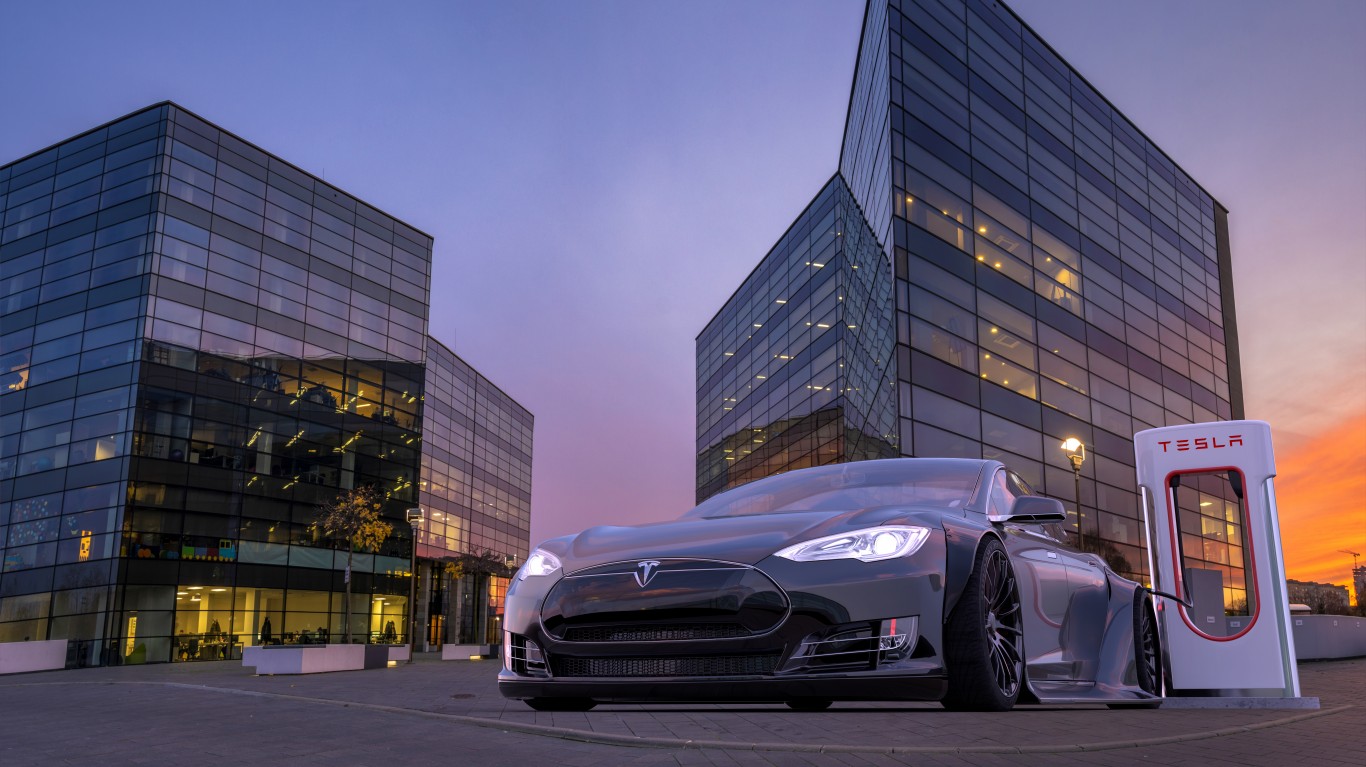
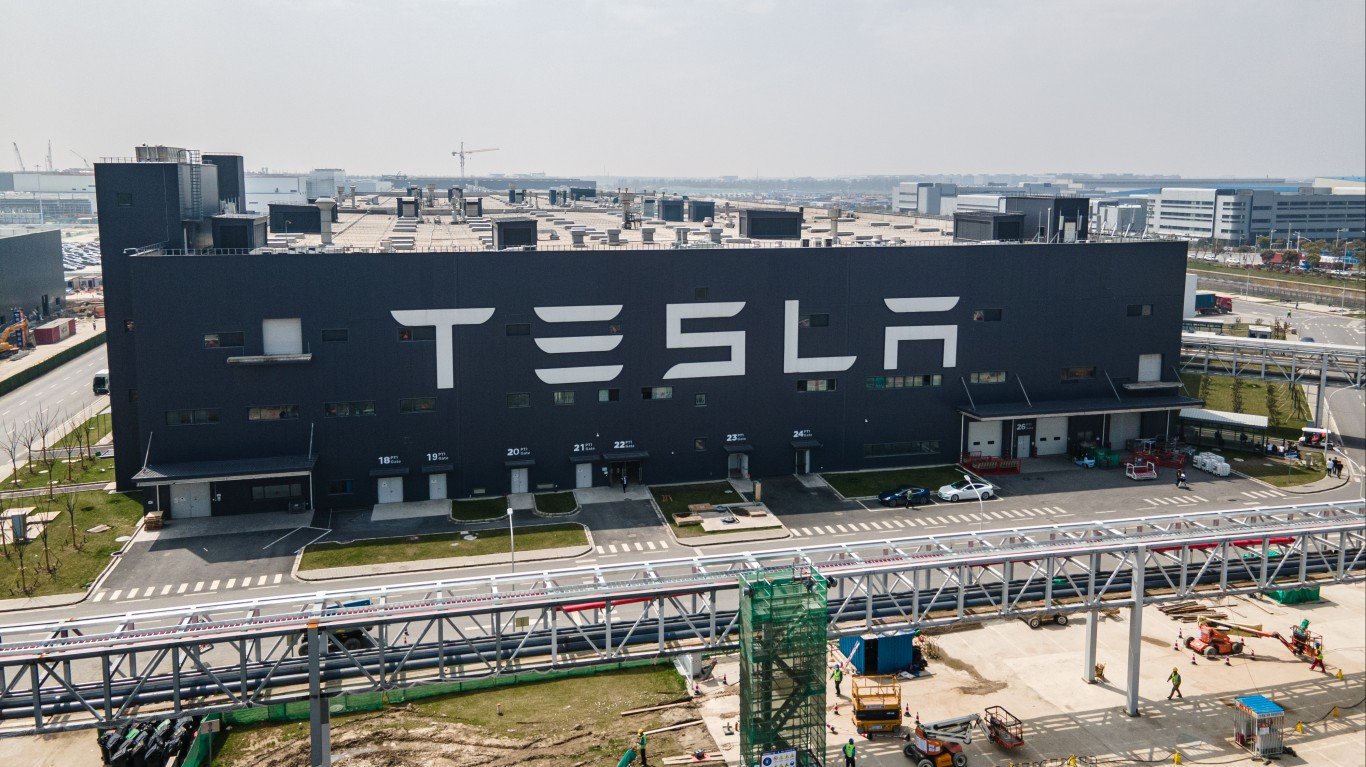
Tesla runs a vertically integrated system that uses only cameras, and it plans no rideshare partners. Cybercab production began at Gigafactory Texas, with Starlink built in. Management expects capex to top $25 billion this year and keep rising for two or three years. Tesla’s strategy centers on autonomy and Optimus.
Alphabet looks more patient. Other Bets brought in just $382 million in revenue, tiny next to Search’s $63.27 billion. Still, Waymo’s real-world scale is the threat. Tesla’s multiple of roughly 382x assumes it wins the economics of robotaxis, and every Waymo expansion makes that harder to defend. Alphabet has its own risks: free cash flow was negative $5.86 billion, and long-term debt rose from $46.5 billion to $98.2 billion.
Third-Quarter Reports Will Show Who Scales Faster
I’m watching whether Tesla’s robotaxi miles keep growing at more than 10% a week, and whether Cybercab moves beyond rides at its factory in Austin. Also keep an eye on whether Alphabet updates Waymo’s weekly ride count. That number cuts directly into Tesla’s premium.
Valuation Gap Separates Alphabet and Tesla Robotaxi Exposure
Alphabet shares are up 11.28% this year, while Tesla is down 18.36%. That may mean the market already questions the valuation gap. Waymo sits on top of a business earning 34% operating margins. At about 15x earnings, Alphabet trades at a fraction of Tesla’s multiple. Tesla’s valuation depends on camera-only autonomy and Optimus delivering. The comparison would shift if Tesla’s margins recover while its unsupervised fleet grows to Waymo’s size.
Contact [email protected] for any questions or corrections.
Alex Sirois is a financial writer with experience spanning both retail and institutional investing. He has written for InvestorPlace and held roles at BNY Mellon and Bernstein, giving him a perspective that bridges Main Street portfolios and Wall Street analysis.
Alex holds an MBA from George Washington University and has built his career across multiple industries, including e-commerce, education, and translation — a breadth of experience that informs how he breaks down complex financial topics for everyday investors. His writing is conversational, actionable, and grounded in long-term, buy-and-hold investing principles.
At 247 Wall St., Alex focuses on delivering analysis that is both accessible and useful, with a clear emphasis on helping readers make more informed decisions with their money.