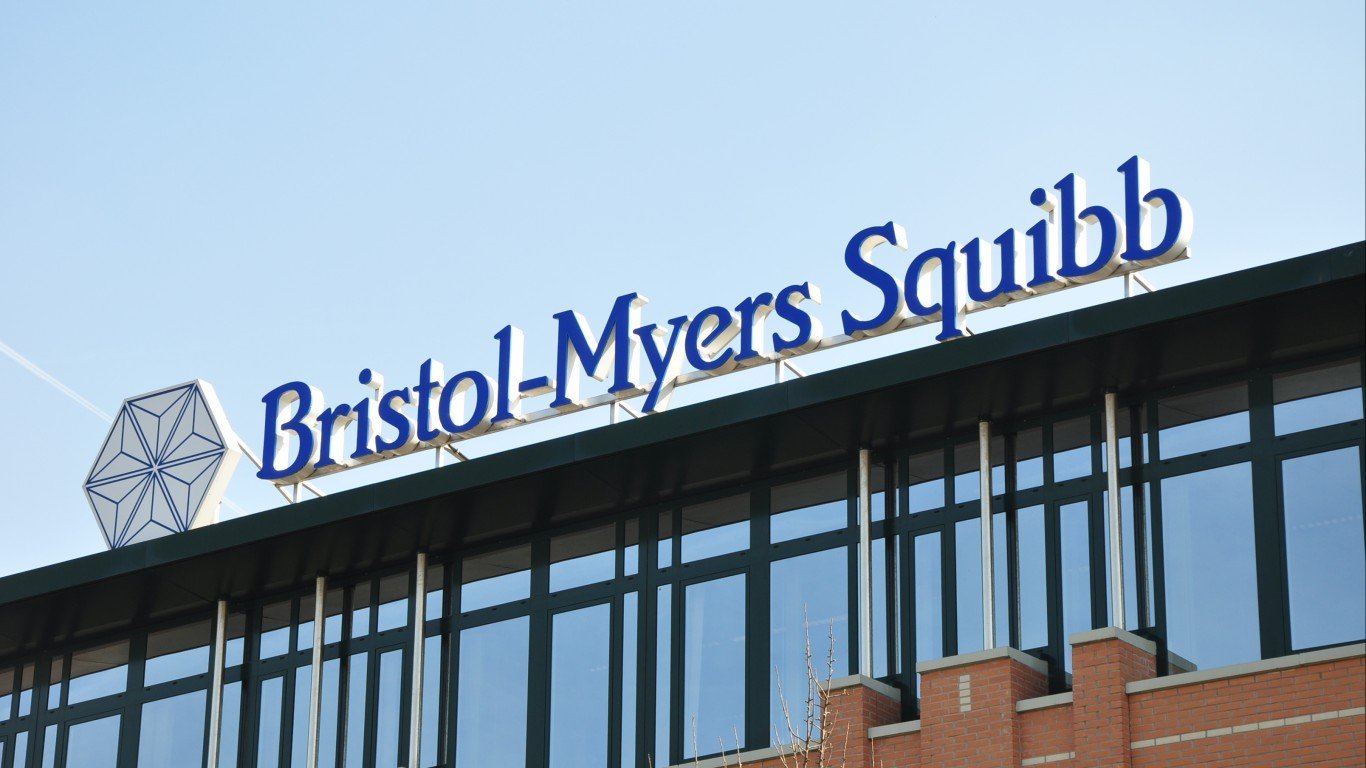
Bristol Myers Squibb’s 4.2% Dividend Yield Comes With a Trade-Off Investors Should Know
Bristol Myers Squibb has raised its dividend for 17 straight years, but a looming patent cliff and $43 billion in debt put the pace of future increases on a collision course with the drugs Wall Street is betting everything on.


Bristol Myers Squibb (NYSE:BMY | BMY Price Prediction) pays $0.63 per share each quarter, up from $0.62 in 2025, for an annualized $2.52. At the latest price of $60.57, the yield is roughly 4.2%. The raise was a small 1.6%, but it marked the 17th consecutive annual increase and the 94th consecutive year of payments. The quarterly rate has rose every year since $0.37 in 2015.

The dividend’s future depends on whether the newer drugs that fund the check can grow faster than generics eat away at the older ones.
Raised Guidance Leaves Plenty of Coverage
After second-quarter EPS of $2.04 exceeded the $1.597 estimate, management raised 2026 non-GAAP EPS guidance to $6.75-$7.00 from $6.05-$6.35. Measured against that range, the dividend uses only 36% to 37% of earnings. Operating cash flow came in at about $3.4 billion for the quarter. Based on today’s share count, one quarter’s dividend costs roughly $1.3 billion. The company also paid down $1.2 billion of debt.
“Business development remains a priority, and we are regularly evaluating opportunities in the therapeutic areas we know best, while continuing to return cash to shareholders through our commitment to the dividend.”
That was David Elkins on the July earnings call.
Growth Drugs Are Covering for the Old Blockbusters

Second-quarter Growth Portfolio sales rose 15% to $7.56B. Camzyos grew 60%, Breyanzi 41% and Reblozyl 29%. Eliquis brought in $4.481B, up 22%. The older drugs kept shrinking: Revlimid fell 49% and Pomalyst dropped 71%.
“The Growth Portfolio continues to deliver, achieving 15% growth in the quarter, and represents an expanding share of our overall business.”
That was CEO Christopher Boerner.
Eliquis Patent Expiry and Debt Will Decide the Dividend’s Future
Management expects Eliquis sales to step down by $1.5 to $2 billion in 2027. Adam Lenkowski explained why:
“Eliquis LOE, as you’re aware, is April of 2028.”
The company is counting on milvexian to replace Eliquis, but the atrial fibrillation results has slipped to the first quarter of 2027. Pipeline news has been mixed. On October 12, the idiopathic pulmonary fibrosis drug admilparant met its Phase 3 primary endpoint only at the lower of two doses, and the stock reversed lower even though a cancer trial succeeded the same day. Barron’s called the results “confounding.” Total debt stands at about $43.1 billion, which helps explain why the latest raise was so small.
Pfizer Pays More, and Merck Has Its Own Patent Problem
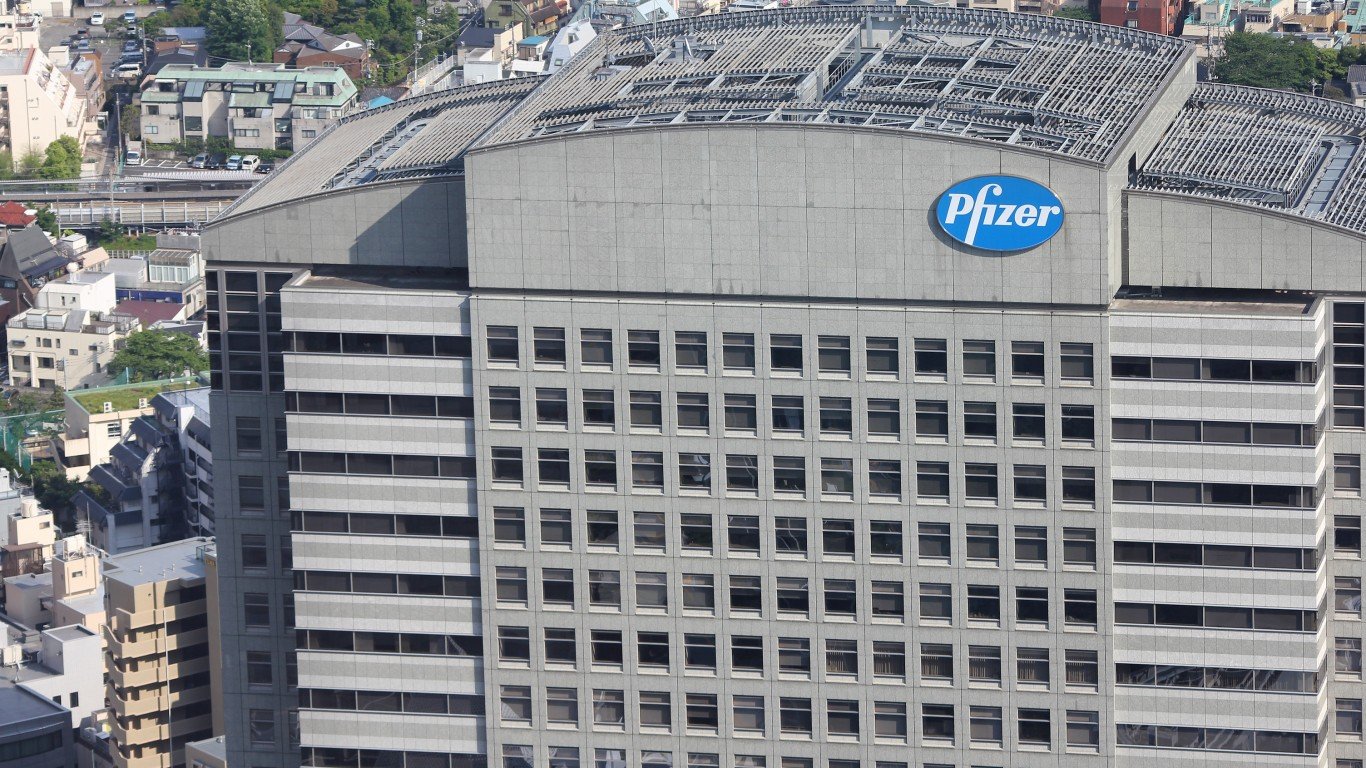
Pfizer (NYSE:PFE) yields about 5.8% on a $0.43 quarterly payout. However, it carries net debt of 3.0x EBITDA and plans no share repurchases in 2026. Merck (NYSE:MRK) has its own patent expiration ahead with Keytruda, whose second-quarter sales slipped 1%. Merck also took a $2.31 per-share charge for its Terns acquisition. Bristol Myers sits in the middle of the group: it has more growth momentum than Pfizer and a lower yield.
Dividend Verdict for Income Investors
Bristol Myers shares have risen 17.26% year to date and 45.03% over the past year, which has pushed the yield down. Even so, a payout under 40% of guided earnings, strong cash flow and a growing portfolio of newer drugs make the dividend look safe. The tradeoff for income investors is raises near 2% while the company pays down debt and works through the Eliquis patent expiry. For retirees who want checks to arrive without ever selling the shares, we laid out how to build that kind of ladder in a free guide. Keep an eye on milvexian’s 2027 data. It will show whether dividend increases can speed up after 2028 or stay this small.
Contact [email protected] for any questions or corrections.
Chris Lange is a financial and geopolitical writer with more than a decade of experience covering a myriad of topics. He has published thousands of articles for 24/7 Wall St., with past coverage focused heavily on stocks, IPOs, healthcare, defense, global affairs, and technology.
His work has been quoted, or referenced by a number of outlets including Business Insider, USA Today, Yahoo Finance, MSN, The Motley Fool, and many other publications. A graduate of Southwestern University, he studied business with a focus on investments and has previous experience in banking and startups.
When not reading or writing the news, he is following his passion for Lacrosse, playing chess, or building solar projects with his dad.