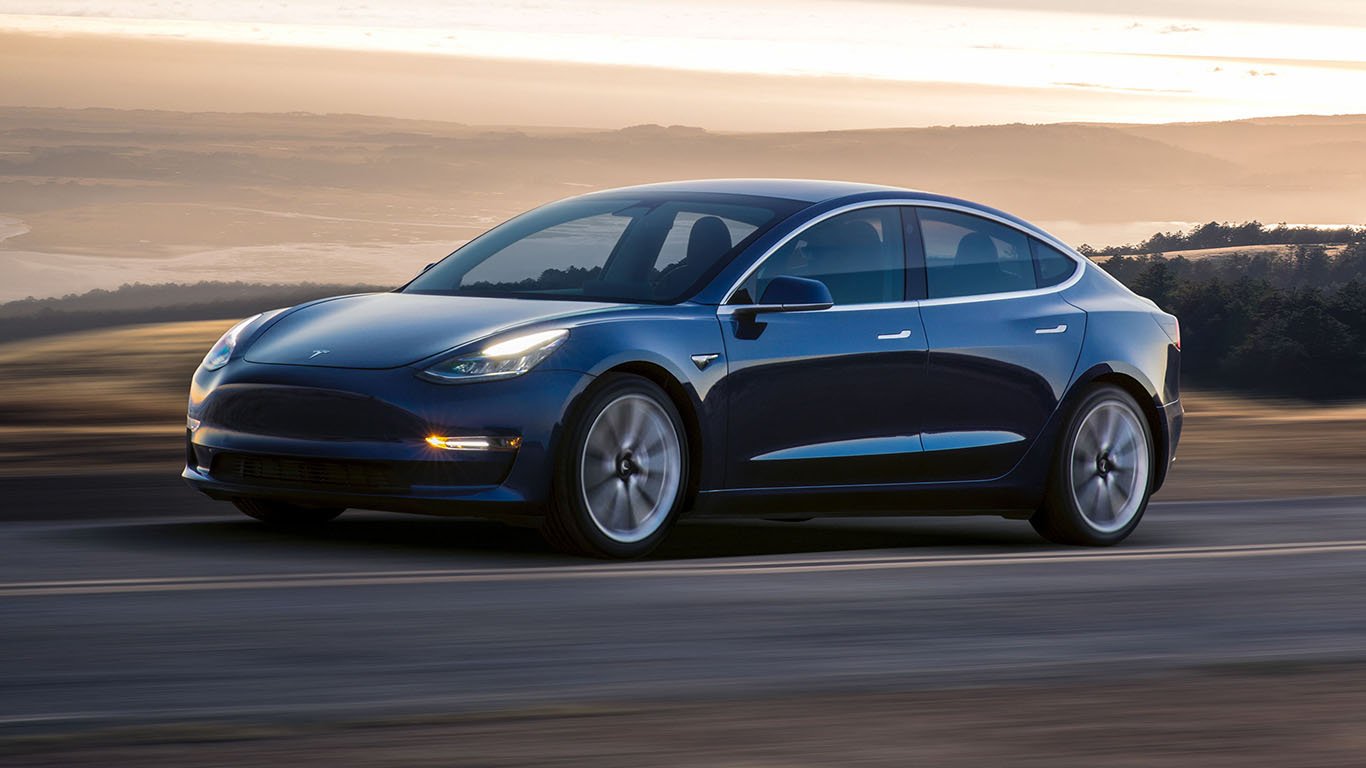
America’s EV Plans Have Died
Billions of dollars poured into factories, dealerships, and marketing campaigns to make electric vehicles America's automotive future. Something went badly wrong, and now the entire industry is scrambling to figure out whether there is any path back.

EVs were supposed to be the wave of America’s auto future. In 2021, President Biden set the goal that 50% of all new cars sold in the US by 2030 would have “zero emissions.” That was one reason that America’s largest car manufacturers and some overseas companies with large US sales footprints put tens of billions of dollars into EV-producing factories, dealerships that could sell EVs, and marketing campaigns.
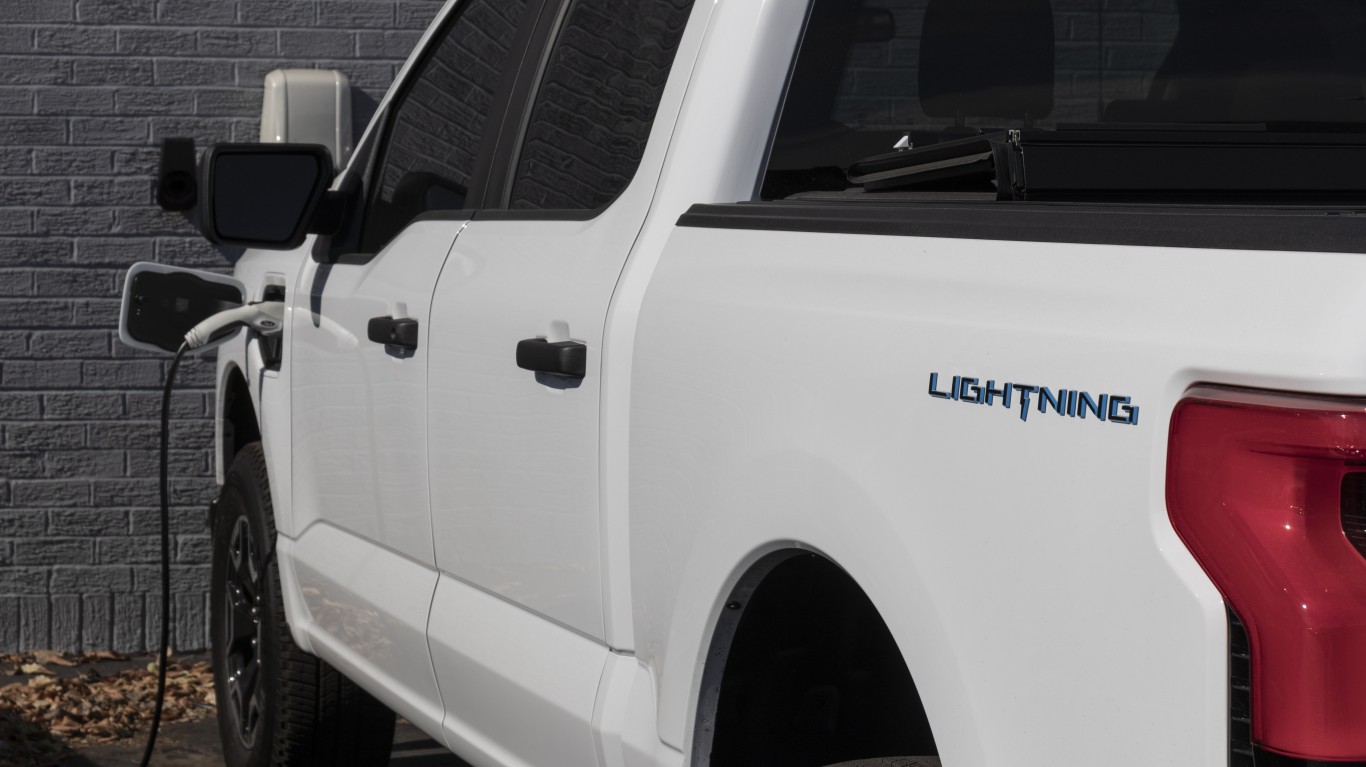
EV sales in the US have died. Even gas prices that have risen to nearly $4.50 per gallon nationwide do not seem to prop up sales much. They first plunged when the $7,500 EV tax credit expired last September 30. EVs, on average, cost more than gas-powered cars. According to Kelley Blue Book, the average transaction price of a new EV was $54,754 in August. The average across all new cars sold in America was $50,089. Since this average includes EVs, EVs must be priced higher. The $7,500 tax credit gets the EV price closer to the gas-powered one. Motor 1 points out that “US electric vehicle sales fell 30.7 percent through the first nine months of 2026.”
Car companies have already adjusted for the drop in EV demand. Ford sold 509,764 vehicles in the third quarter, down 6.5%. Total EV sales were 6,047, down 80.2%. Ford (NYSE: F | F Price Prediction) has no plans to bring another EV to market until it launches its Fathom next year.
While major car companies still sell EVs in the US, none has even 10% of the market. Tesla has over 50%, and most estimates say its unit sales are falling.
Many potential drivers do not want cars with ranges that are often only 300 miles. Public charging stations outside large cities are scarce. In most cases, EVs wear out tires faster than gas-powered vehicles. They do not hold a full charge in cold weather.
Can the EV make a comeback in the US? Maybe if gas prices hit $5 and stay above that level for months. However, that is a “maybe” and not a sure thing.
Contact [email protected] for any questions or corrections.
Douglas A. McIntyre is the co-founder, chief executive officer and editor in chief of 24/7 Wall St. and 24/7 Tempo. He has held these jobs since 2006.
McIntyre has written thousands of articles for 24/7 Wall St. He is an expert on corporate finance, the automotive industry, media companies and international finance. He has edited articles on national demographics, sports, personal income and travel.
His work has been quoted or mentioned in The New York Times, The Wall Street Journal, Los Angeles Times, The Washington Post, NBC News, Time, The New Yorker, HuffPost USA Today, Business Insider, Yahoo, AOL, MarketWatch, The Atlantic, Bloomberg, New York Post, Chicago Tribune, Forbes, The Guardian and many other major publications. McIntyre has been a guest on CNBC, the BBC and television and radio stations across the country.
A magna cum laude graduate of Harvard College, McIntyre also was president of The Harvard Advocate. Founded in 1866, the Advocate is the oldest college publication in the United States.
TheStreet.com, Comps.com and Edgar Online are some of the public companies for which McIntyre served on the board of directors. He was a Vicinity Corporation board member when the company was sold to Microsoft in 2002. He served on the audit committees of some of these companies.
McIntyre has been the CEO of FutureSource, a provider of trading terminals and news to commodities and futures traders. He was president of Switchboard, the online phone directory company. He served as chairman and CEO of On2 Technologies, the video compression company that provided video compression software for Adobe’s Flash. Google bought On2 in 2009.