Ford Risks Another Big EV Failure
Ford just unveiled its latest electric vehicle with bold sales targets, but the company faces a collision of forces that sank its previous EV ambitions and shows no sign of letting up.

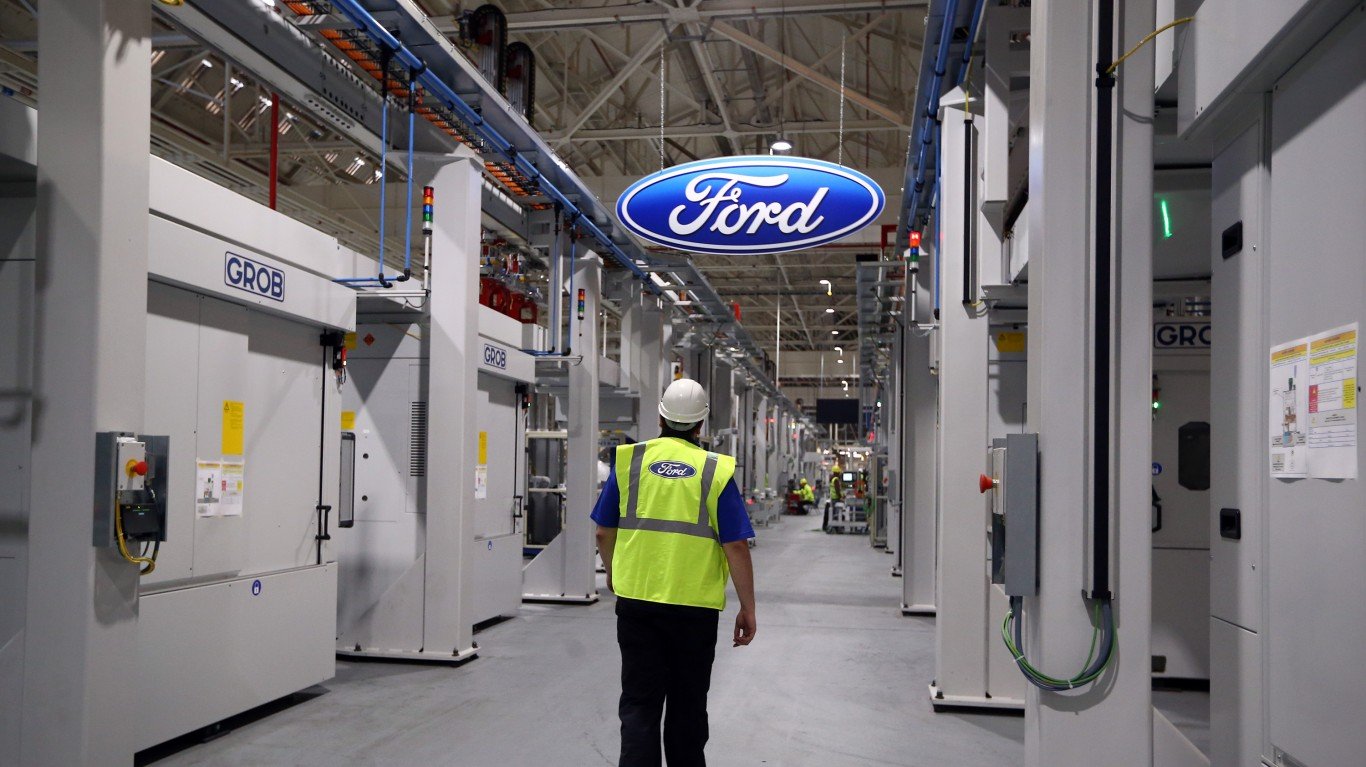
Somehow, The Wall Street Journal got hold of Ford’s (NYSE: F | F Price Prediction) sales of its Fathom, which is its most recent jump into the EV sector. The figure is 100,000 in the first year. Maybe the approximately $30,000 price tag will help. Almost every car industry headwind is against it. This looks a bit like Ford’s first massive move into EVs. In 2021, it said it would put $30 billion into its EV business through 2025. Ford management said it expected to have 40% of its new car sales as EVs by 2030
The likely stumble of the Fathom forecast is just a little smaller than Ford’s first run at the sector. Its next-generation manufacturing plan will not create Fathom sales. The manufacturing is part of a broader Ford announcement about another effort to grow beyond its gas-powered car business in the US, which has been a spectacular success.
Ford will hit two walls. The first is that Americans do not want EVs. Cox Automotive said new EV sales as a percent of all total new car sales in the US dropped by over 20% in the second quarter compared to the same quarter the year before. Part of this was because the $7,500 federal EV tax credit, which covered many of the EVs sold before September 30, disappeared. That is not coming back. Tesla (NASDAQ: TSLA), the market leader by far, may only sell 480,000 cars in the US this year. It has the two best-selling EV models on the market–the Tesla 3 and Tesla Y.
Other reasons Americans do not want EVs show up in almost every survey of the sector. First, Americans worry about EV range, which is stuck under 300 miles. Second, they worry about the number of public charging stations. People who live near large cities may be able to find them. However, these stations often have long lines and occasional vandalism.
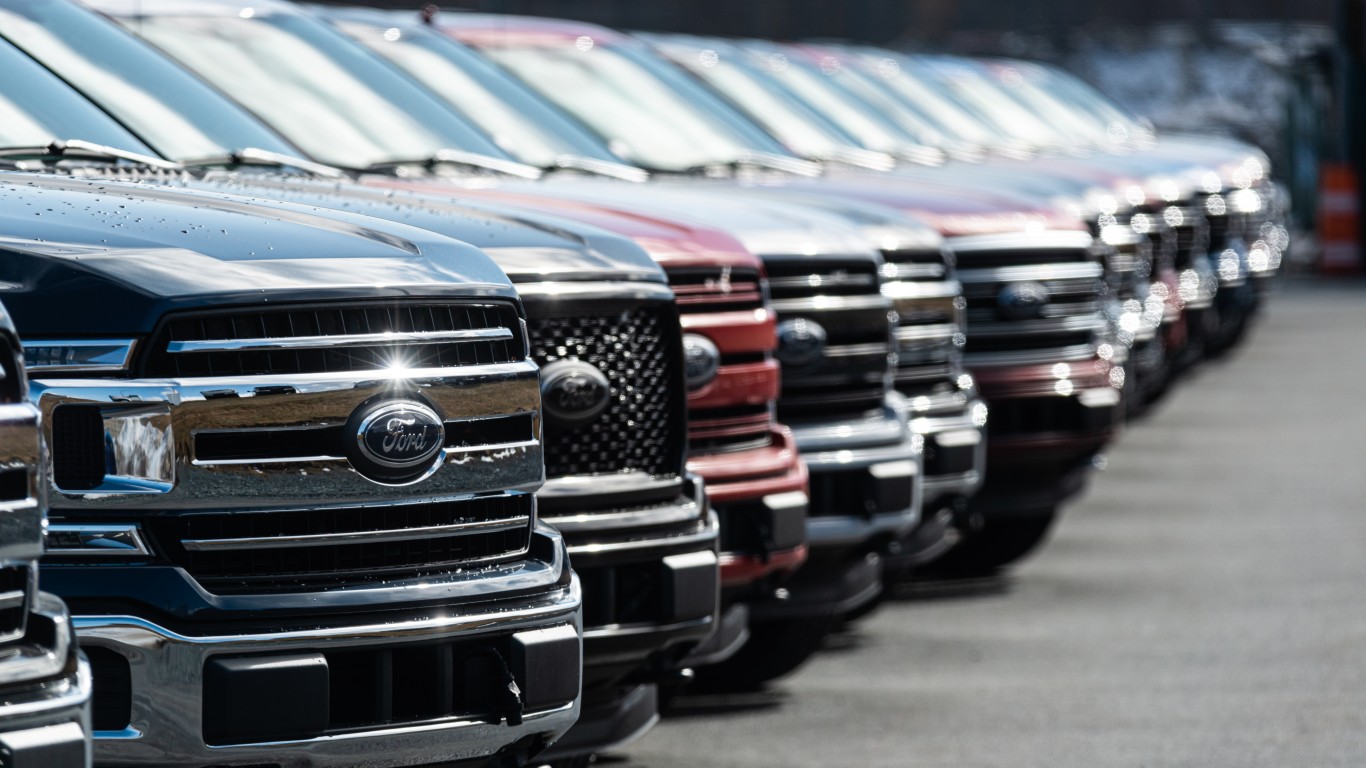
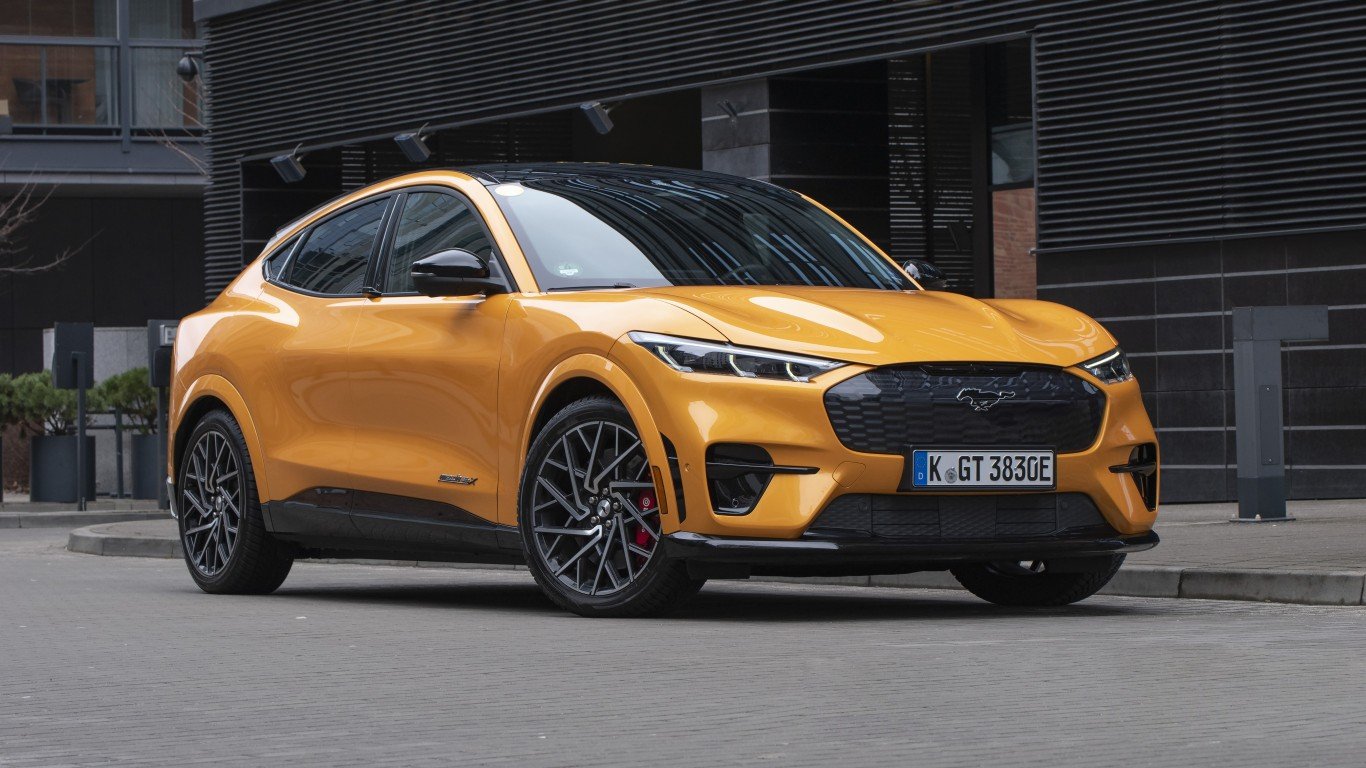
The other wall is that people do not want to buy Ford EVs. For Ford’s $30 billion, it got terrible sales for the Ford F-150 Lightning, which carried the name of America’s best-selling vehicle. And there was the Mustang Mach-E, which was named for an iconic American sports car. Ford turned it into an EV crossover.
Finally, there is one more consideration beyond the obvious. Chinese EVs, considered the best in the world and priced below those sold elsewhere, will eventually make it into the US market. That could be next year, or three years from now. Their price point and quality are too high to keep them from US consumers. Ford management has said this would be a catastrophe. And it is coming.
Contact [email protected] for any questions or corrections.
Douglas A. McIntyre is the co-founder, chief executive officer and editor in chief of 24/7 Wall St. and 24/7 Tempo. He has held these jobs since 2006.
McIntyre has written thousands of articles for 24/7 Wall St. He is an expert on corporate finance, the automotive industry, media companies and international finance. He has edited articles on national demographics, sports, personal income and travel.
His work has been quoted or mentioned in The New York Times, The Wall Street Journal, Los Angeles Times, The Washington Post, NBC News, Time, The New Yorker, HuffPost USA Today, Business Insider, Yahoo, AOL, MarketWatch, The Atlantic, Bloomberg, New York Post, Chicago Tribune, Forbes, The Guardian and many other major publications. McIntyre has been a guest on CNBC, the BBC and television and radio stations across the country.
A magna cum laude graduate of Harvard College, McIntyre also was president of The Harvard Advocate. Founded in 1866, the Advocate is the oldest college publication in the United States.
TheStreet.com, Comps.com and Edgar Online are some of the public companies for which McIntyre served on the board of directors. He was a Vicinity Corporation board member when the company was sold to Microsoft in 2002. He served on the audit committees of some of these companies.
McIntyre has been the CEO of FutureSource, a provider of trading terminals and news to commodities and futures traders. He was president of Switchboard, the online phone directory company. He served as chairman and CEO of On2 Technologies, the video compression company that provided video compression software for Adobe’s Flash. Google bought On2 in 2009.