The World’s Greatest Hedge Fund Investor Ken Griffin Just Said AI Is ‘Almost Certainly’ a Bubble. But He’s Not Betting Against it Long Term
Citadel's Ken Griffin called AI almost certainly a bubble, yet his firm just engineered one of the most profitable trades of the year directly from the chaos. What he knows about bubbles that most investors ignore could change how you…

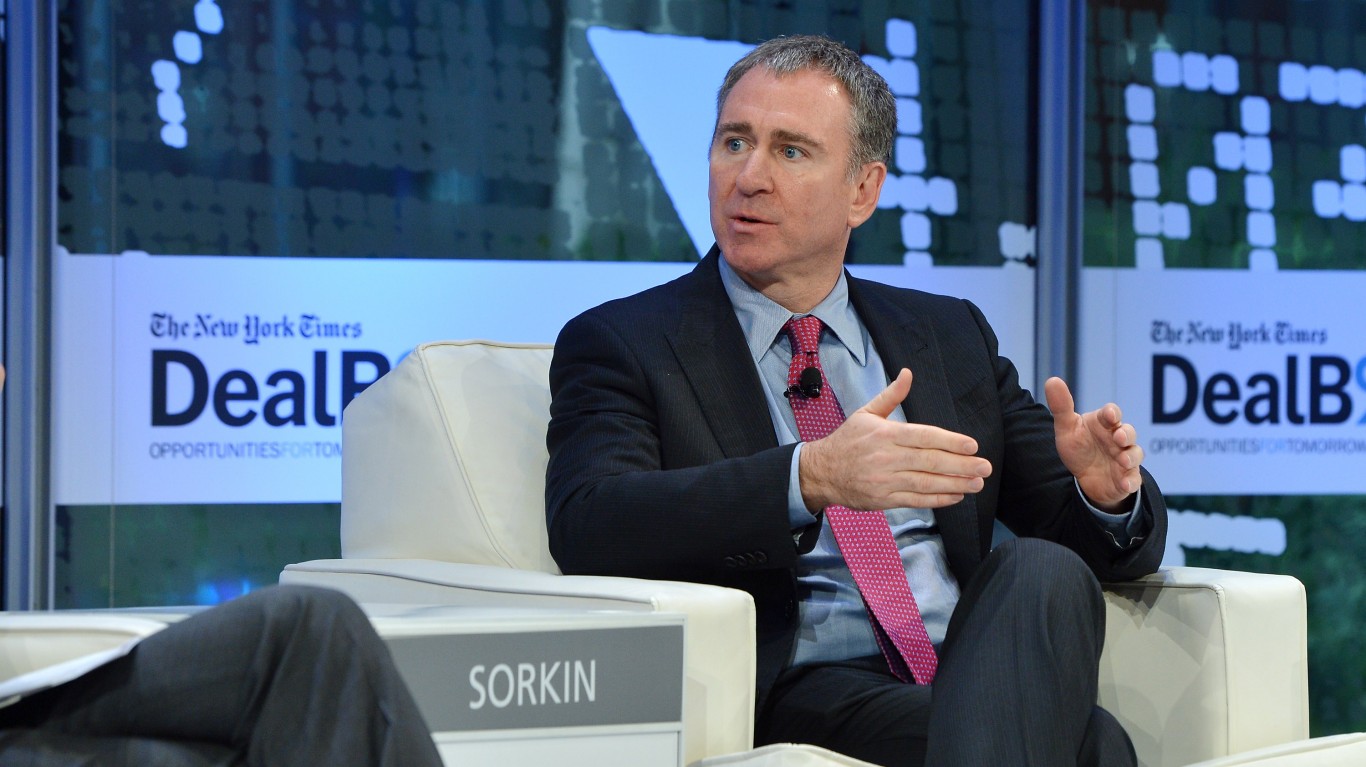
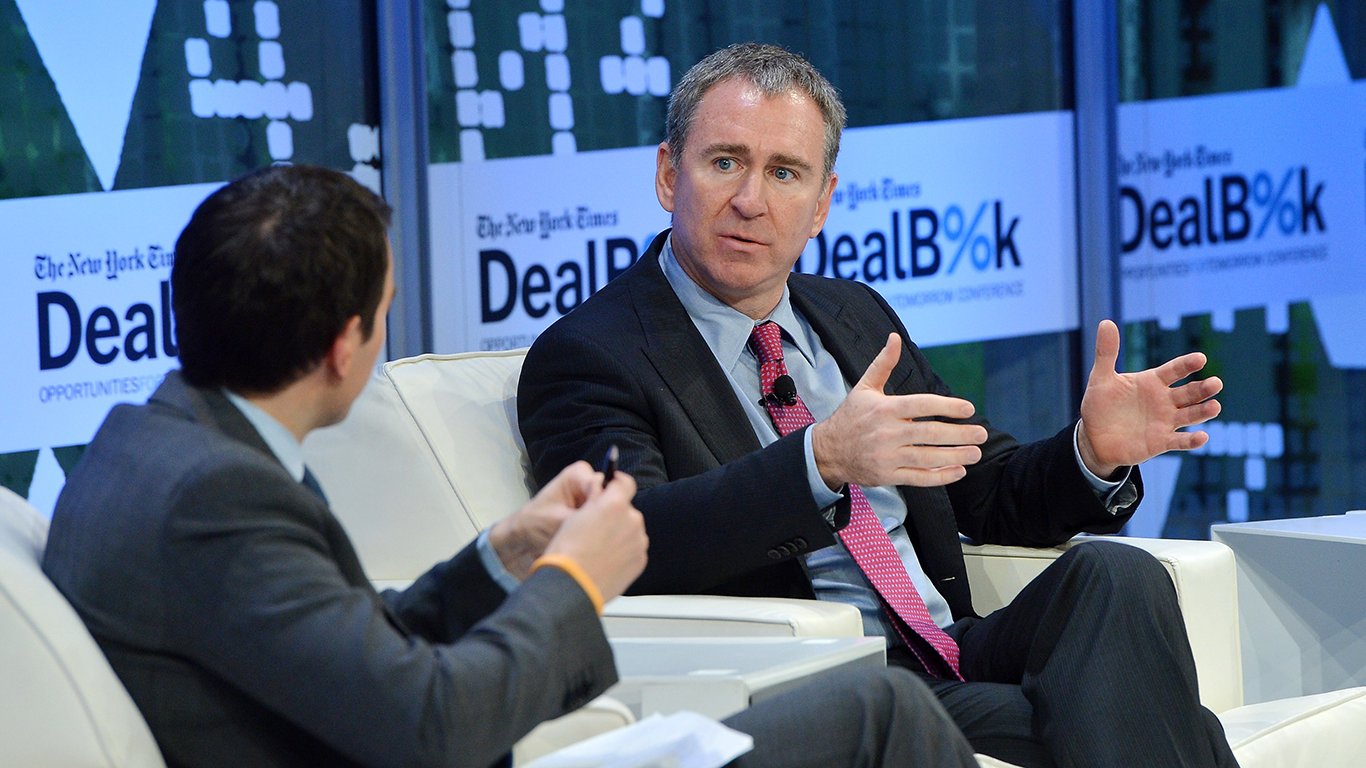
Citadel founder Ken Griffin told the Future of Global Markets Conference in New York on October 20, 2026 that investors are “almost certainly” in an AI bubble. Griffin built his reputation as one of the world’s greatest hedge fund investors running Citadel and the market maker Citadel Securities, and he pointed straight at the gap between AI spending and results: “Corporate America has been very uneven in its ability to extract value from its AI models.”
He added: “I think all of Corporate America is looking at their bills from Anthropic and OpenAI and going, ‘Okay, we need to think about how to make sure we’re getting productivity out of this.'” The Kobeissi Letter summarized the remarks on X, noting companies are struggling to turn AI spending into productivity gains while Griffin stays bullish on AI’s long-term potential. Those bills are set to grow. Anthropic is preparing to go public, and The Wall Street Journal reported, as cited by Bloomberg, that Anthropic may put $750 billion toward extra computing capacity over the next several years.
Griffin Says Bubbles Produce Decades-Long Leaders
“Any radical transformation of our economy is generally intertwined with a bubble,” Griffin said. “The companies that are on the other side of that bubble are the market leaders for decades to come.” His dot-com regret: “I just wish I’d kept my Amazon stock in that moment.”
His view has shifted this year. He called AI “garbage” at Davos and told a Stanford audience in May he was depressed by what it could achieve. Now he expects a surge of startups and “a golden era for entrepreneurs,” even as AI threatens white-collar jobs and competitive advantages. Bridgewater founder Ray Dalio said earlier this month AI has the signs of a “classic bubble.”
Supplier Earnings Show Demand Behind the Bubble Talk
Griffin’s critique targets AI buyers. The sellers keep posting record numbers:
- Despite Griffin’s warning, NVIDIA (NASDAQ:NVDA | NVDA Price Prediction) reported fiscal Q2 revenue of $96.22 billion, up 105.8%, and guided to $108.0 billion.
- Microsoft (NASDAQ:MSFT) said Azure crossed $100 billion in full-year revenue, with commercial remaining performance obligations up 84% to $678 billion, bills Citadel’s founder says buyers must justify.
- Amazon grew AWS revenue 37% to $42.23 billion.
- Broadcom (NASDAQ:AVGO) posted AI chip revenue of $16.70 billion, up 221%.
NVIDIA’s CFO said “This is a supply-constrained outlook.” That eases the overbuild fear for now. Just last night Elon Musk said SpaceX could exit 2027 with a revenue run rate as high as $1 trillion as the company faces rabid demand for its compute infrastructure.
Citadel Profited When the AI Trade Cracked
Situational Awareness, launched by Leopold Aschenbrenner in July 2024, held concentrated AI infrastructure positions while shorting software stocks. Quartz reported that SanDisk (NASDAQ:SNDK) and Micron Technology (NASDAQ:MU) made up more than 56% of its disclosed U.S. holdings at the end of June. Per Quartz, SanDisk fell nearly 47% in July and Micron roughly 29%.
Quartz said the fund used as much as 400% leverage, topped out near $45 billion, then lost roughly $35 billion after margin calls forced a distressed sale to Citadel. Talks began July 29. Ken Griffin wrote that Citadel cut its exposure by more than 80%. Citadel used more than 100 block trades worth over $4 billion, and Ken Griffin’s letter said they set the year’s single-session records in 10 names. “Our ability to distribute this risk was central to our investment thesis,” he wrote.
The liquidation marked the low point of the sell-off that began in June. Micron is now up 223.33% year to date and SanDisk 493.68%. Citadel earned its gain by supplying liquidity in a panic.
Griffin Is Positioned to Win Either Way
Citadel’s multi-strategy funds, led by main Wellington, spread capital across many teams with tight risk controls. Citadel Securities earns money handling trades for buyers and sellers, so volatility and heavy volume help it. Reuters reported Citadel manages about $77 billion. Reuters also reported Wellington gained 5.94% in July, the month of the AI sell-off, leaving it up 12% for the year at that point.
What Investors Should Take Away
Bubbles and real transformations can coexist. The companies left standing after may be few, and the damage lands heaviest on concentrated, leveraged portfolios like Situational Awareness. Broad exposure to proven cash generators handles a shakeout better than a concentrated position on one theme. Riding a mania while planning the exit is the balance that matters, and we covered both halves in a free handbook here: The Bubble Survivor’s Handbook. Two things will test Griffin’s call: whether corporate AI buyers report real productivity gains, and whether NVIDIA hits its $108.0 billion guidance. If buyers stall while suppliers keep guiding higher, Griffin’s warning gets stronger.
Contact [email protected] for any questions or corrections.
Joel South covers large-cap stocks, dividend investing, and major market trends, with a focus on earnings analysis, valuation, and turning complex data into actionable insights for investors.
He brings more than 15 years of experience as an investor and financial journalist, including 12 years at The Motley Fool, where he served as an investment analyst, Bureau Chief, and later led the Fool.com investing news desk. He has also co-hosted an investing podcast and appeared across TV and radio discussing market trends.