Anthropic launches Claude Duet AI agent to compete with META, OpenAI in consumer market
Anthropic just put a proactive AI agent on your phone that reads your email and shops for you before you ask, and it is heading straight into territory Meta already claimed with 10 million users. The real fight is over…


Anthropic built its business selling Claude to companies and developers. Now it wants a spot on your phone, where it would manage your inbox and your shopping cart before you ask.
The company has introduced Claude Duet, its first consumer-facing AI agent, as a research preview with a waitlist. It will eventually be available to Pro and Max subscribers.
Duet is a proactive agent. It handles tasks such as shopping and reading email without waiting for you to ask, putting it up against OpenAI’s agents and Meta Platforms’ (NASDAQ:META | META Price Prediction) Muse agent.
Anthropic is coming late. Meta said on October 21, 2026, that more than 10 million people in the US and Canada had already set up Muse.
For investors, the question is who gets the value once every leading lab offers an agent. Meta closed at $697.52. The stock is up 5.93% year to date but down 5.9% over the past month.

Proactive Agents Turn Trust Into the Product
A chatbot answers questions. A proactive agent reads your email and spends your money, so its mistakes cost real dollars.
That makes permissions central. You have to grant account access, and someone has to carry the liability when an agent buys the wrong item.
Anthropic’s safety reputation is likely its best edge. A lab known for care may have an easier time getting access to inboxes and payment cards.
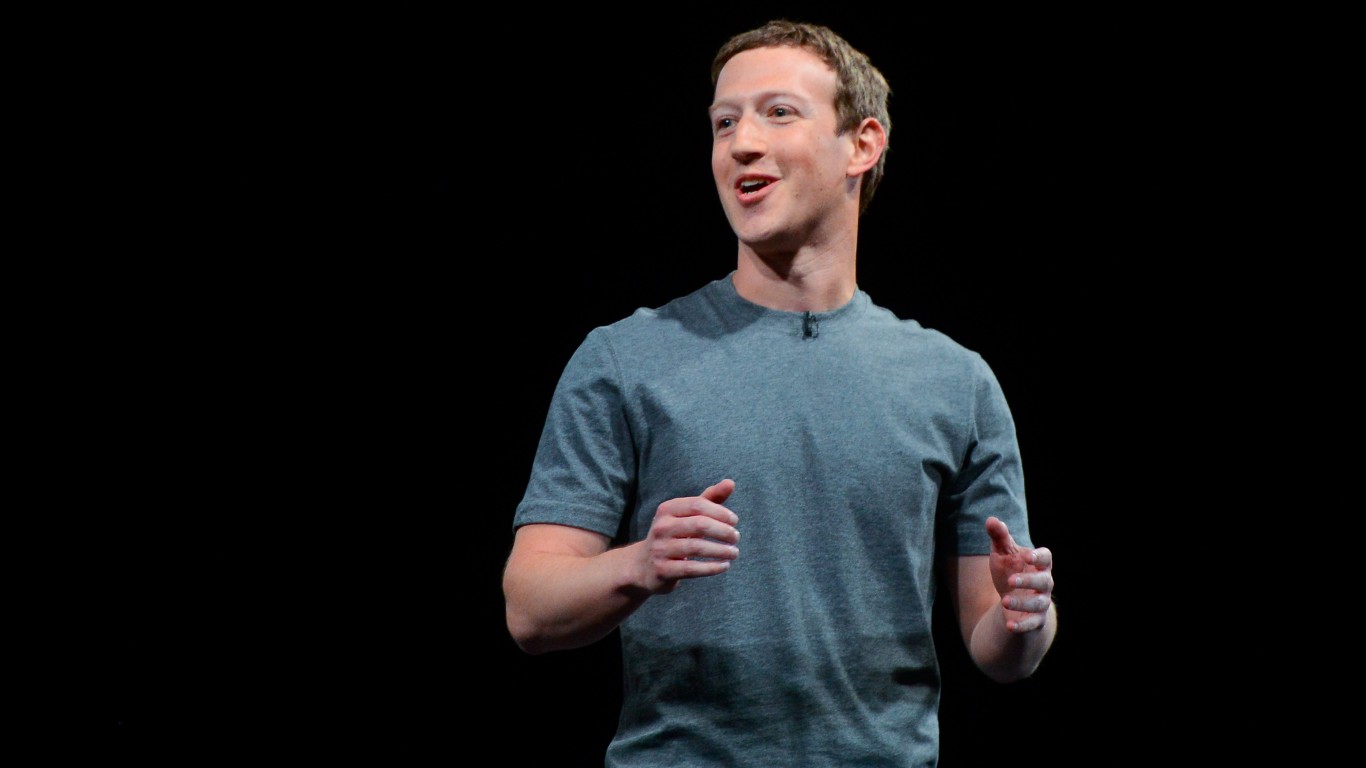
Meta is working on the same problem. Mark Zuckerberg said Meta plans a “Muse Confidential VM,” “which will make it so that even Meta cannot see your content.”
Meta’s Distribution Lead Will Be Hard to Close
Meta’s apps reach 3.64 billion people daily. Duet starts behind a waitlist inside a paid subscription.
In consumer technology, reach usually counts for more than model quality. Zuckerberg said shopping is Muse’s biggest use case, with over a quarter of active users engaging in shopping and an average purchase size above $200.
Meta had to ask Stripe to raise credit limits in the first week. Muse also comes to Meta smart glasses next month.
Switching costs are still low, however. If Duet handles email or purchases better, it could pull users away from free products.
Ads Versus Subscriptions Will Set the Margins
Anthropic plans to make money from paid levels. Meta wants the core product free for most people, with businesses paying commerce fees and power users paying for advanced models.
Shopping agents put search and display advertising at risk, because price-comparison software never scrolls past an ad. Meta wants to take a cut of the transaction instead. It is building an agentic-commerce protocol with partners including Sierra, Walmart, Stripe and Shopify.
Its ad engine pays for all of this. Third-quarter advertising revenue reached $63.06 billion, helped by a 14% rise in ad pricing.
Computing Bills Could Outrun Early Revenue
Agents run around constantly, which increases demand for chips and cloud capacity. Meta’s third-quarter capital expenditures were $34.9 billion, and it expects $135 billion to $145 billion for 2026.
That spending drove quarterly free cash flow to-$2.1 billion. CFO Susan Li said, “We expect total serving costs to rise” as Muse grows.
Meta expects to make Muse more than 10x more cost-efficient within a year, though the data-center expansion behind every leading agent still has to be powered and cooled by someone (we profiled seven of those suppliers in a free report, here). Anthropic has no advertising cash behind it, so subscriptions will have to cover those costs.
Privacy rules, purchase errors, and models becoming interchangeable are risks for every company here. Meta also recorded a $9.89 billion charge tied to a settlement with state attorneys general.
Whether AI Agents Can Pay Off for Investors
The bull case is that agents open new revenue in commerce, subscriptions, and enterprise software. Li said Meta’s new AI businesses could start adding revenue in 2027.
The bear case is cost. Meta’s free cash flow has already gone negative, and Duet adds another well-funded competitor that could push prices down.
On balance, Meta is the clearest listed example of a company already building revenue around AI agents. Revenue grew 26.1% to $64.60 billion while the company paid for Muse, as our live coverage of the quarter showed.
Without the legal charge, EPS would have been $7.40, and the stock trades at a P/E of about 25. It’s worth tracking whether Duet’s waitlist turns into paying users, but Meta’s reach puts it in a stronger position today.

Contact [email protected] for any questions or corrections.
Omor Ibne Ehsan is a writer at 24/7 Wall St. He is a self-taught investor with a focus on growth, cyclical, and dividend equities that have strong fundamentals, value, and long-term potential. He also has an interest in high-risk, high-reward investments such as penny stocks.