Kroger Is Spending $5 Billion to Cut Prices. Walmart and Costco Are the Target
Kroger's new CEO just admitted the grocery giant lost market share to Walmart and Costco, and the plan to win it back carries a hidden tension that Wall Street has not fully priced in.

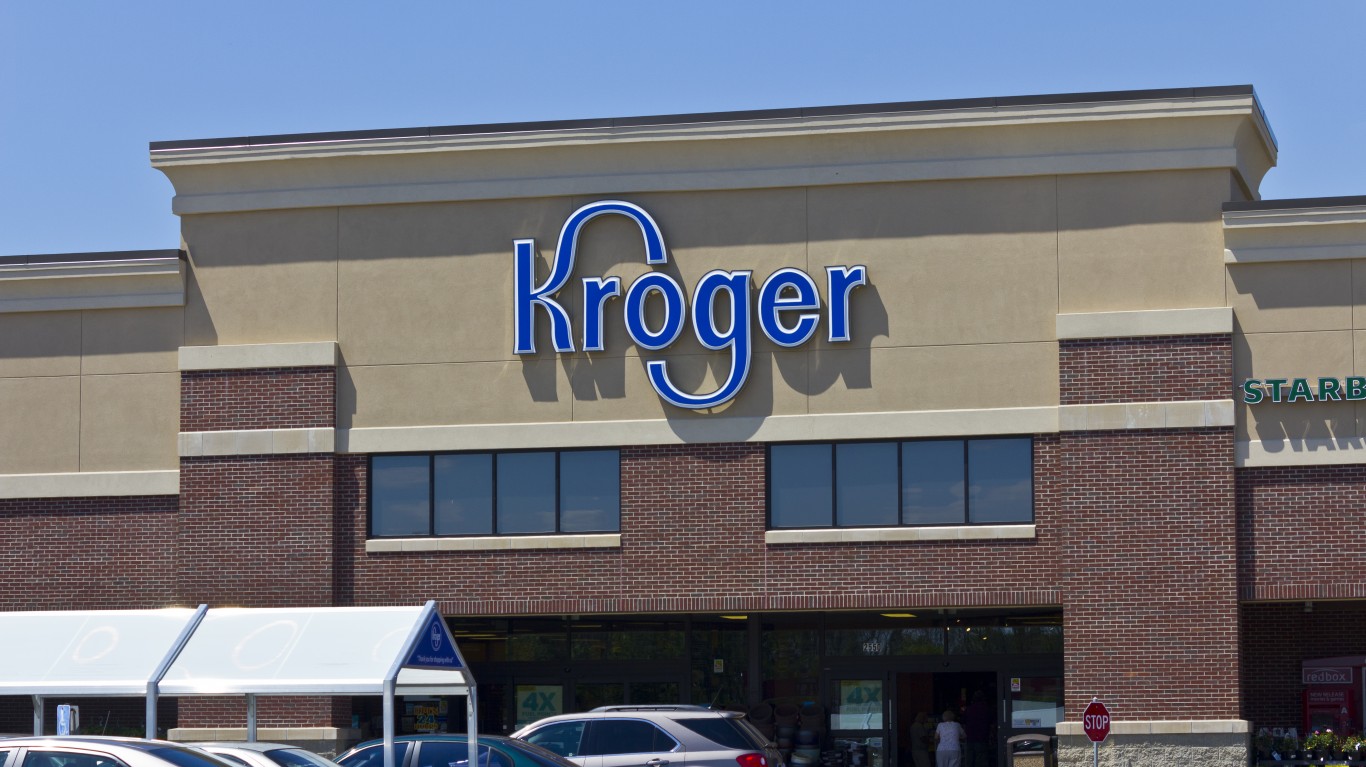
Kroger (NYSE:KR | KR Price Prediction) is spending $5 billion through 2029 to lower prices, and part of the cost will come from its own headquarters. At an investor update in New York on October 20, 2026, CEO Greg Foran presented Kroger’s first multi-year plan. CFO David Kennerley said: “A $5 billion investment in customer value is the largest single driver in this plan, and it is entirely self-funded.” New everyday shelf prices will reach about 250 stores by year-end.
The $5 billion covers simpler promotions, better merchandising, updated store formats, larger loyalty programs and lower everyday prices, with corporate job cuts, first laid out in an October 12 memo, as one source of the savings.
For shareholders, the tension is that Kroger is promising lower prices and faster earnings growth at once. It is doing so right after a quarter in which identical sales, excluding fuel, rose just 0.2%.
The stock rose as much as 2.6% during the October 20 session and then closed down 0.11% at $62.98. On October 21, it gained 1.83% to close at $64.13, a market value of $37.87 billion.
What Kroger Committed To on October 20
The plan has three components. They are customer value, growth in e-commerce and retail media, and “Modernize How We Operate.” Kroger also set a target of about $4 billion in annualized cost savings by 2029 and expects about half of it to come from cost of goods.
The company discussed the savings. It said the savings “will fuel greater customer value and fund growth across the business.” It did not say the job-cut savings specifically pay for the $5 billion. After the first stores, the new pricing reaches roughly 450 more locations in 2027.
Why the Headquarters Cuts Matter More Than Their Size
Kroger will cut about a third of its corporate roles over three years. The cuts affect about 37% of its roughly 8,200 corporate employees, and some non-store work is moving to a capability center in Bengaluru, India.
Foran acknowledged the problem in the memo. “Our company has more layers, more handoffs and more overhead than we need, so we are addressing this issue,” he wrote, adding that “Technology is reshaping what’s possible.” Kroger says AI will improve execution and cut duplicated work. It has not said AI will replace specific roles.
Kroger employs more than 400,000 associates, and the announced cuts apply to corporate roles. The risk is that work sent offshore adds new handoffs just as pricing is being rebuilt.
Can Lower Everyday Prices Win Shoppers Back From Walmart and Costco?
Chief merchant Mary Ellen Adcock said stores that ran the new pricing for a full year grew sales about 230 basis points faster than the rest of the chain. Foran was blunt about the starting point: “The result is, we lost share. We own that.”
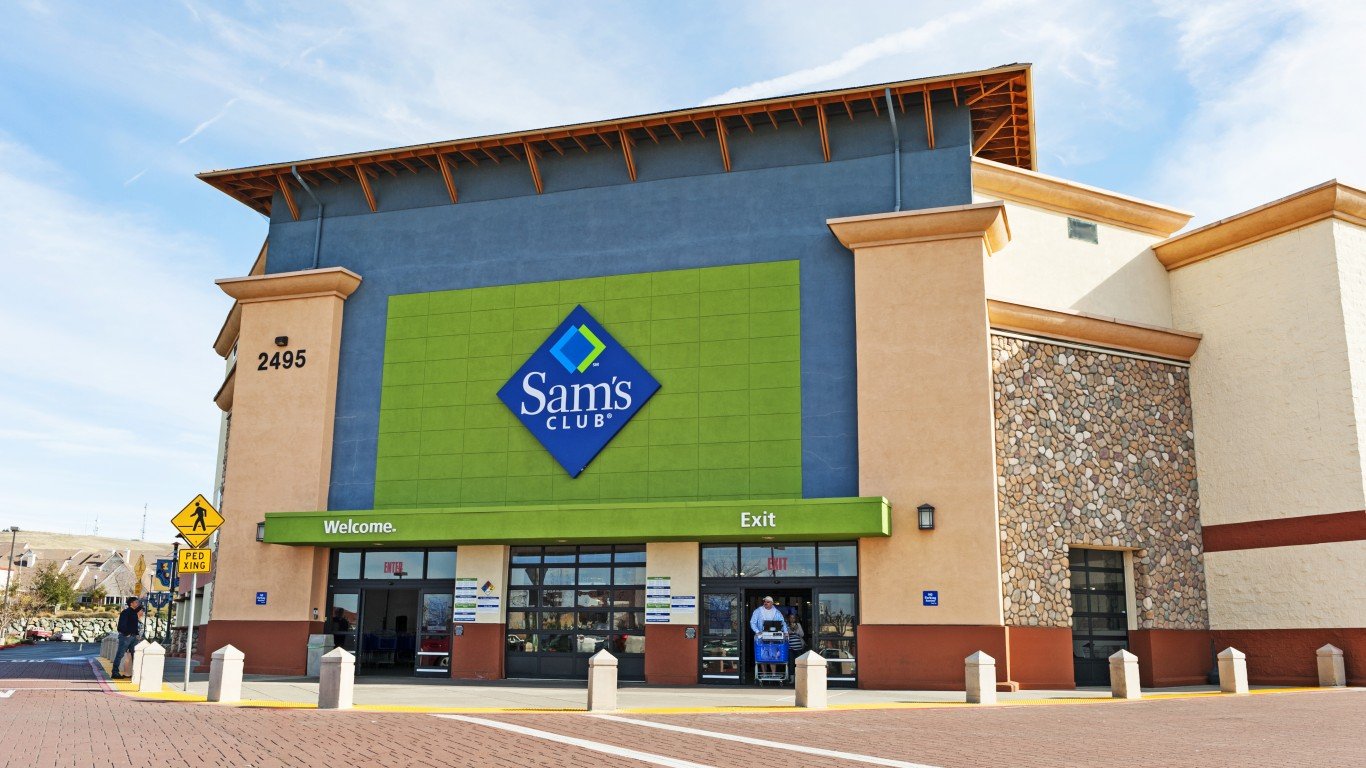
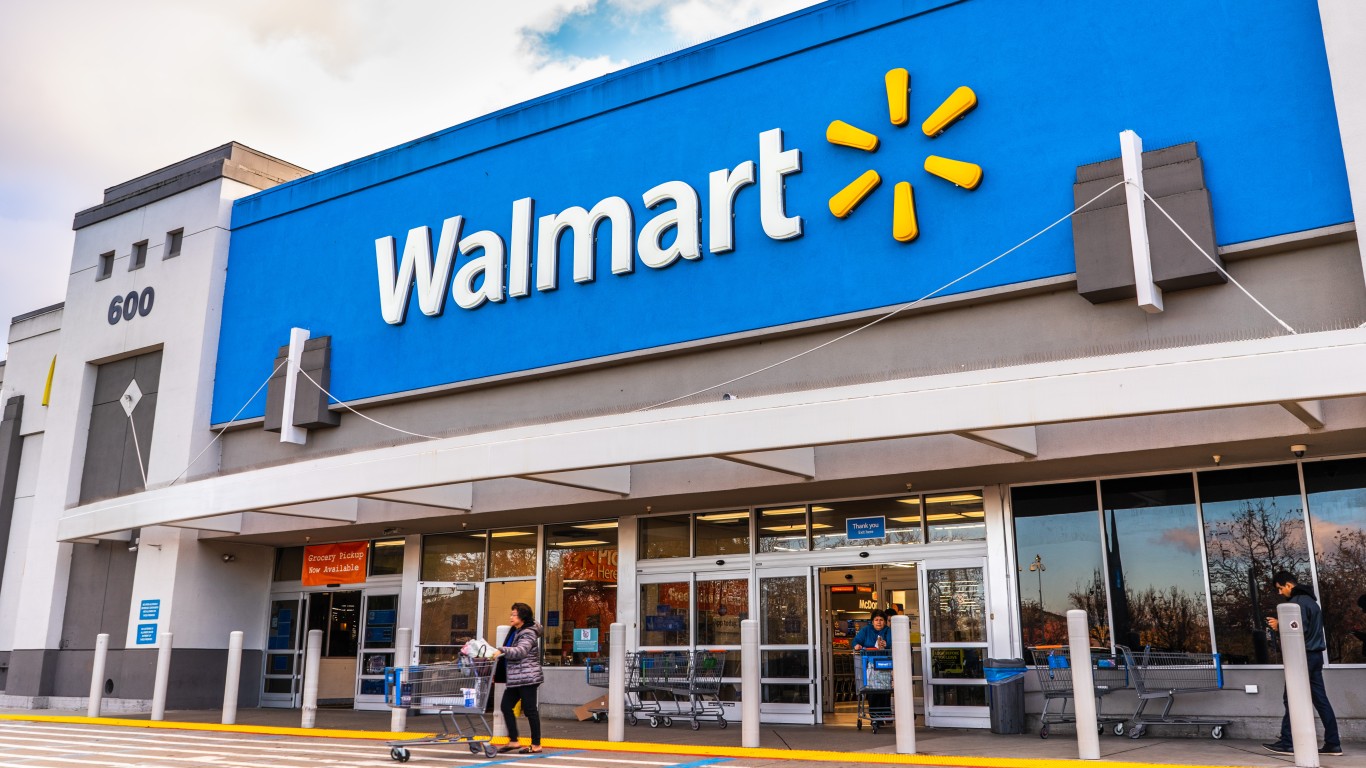
Foran ran Walmart’s (NYSE:WMT) U.S. business from 2014 to 2019, and Kroger is trying to close its price gap with Walmart and Aldi. He said the plan “is not about being the cheapest.”
Costco (NASDAQ:COST) is on the list too. When Foran first laid out the price cuts in May, Kroger was described as working to “reclaim ground lost to rivals including Walmart, Costco, and Aldi.” Foran said then: “The reality is, the basket has to come down.”
Shoppers are slow to notice lower shelf prices, and rivals can match them. Gross margin was already 22.4% in the latest quarter, down 10 basis points.
What Shareholders Are Promised Through 2029
Kroger is targeting adjusted EBITDA (earnings before interest, taxes, depreciation and amortization) growth of 3% to 6% a year and adjusted EPS growth of 7% to 11%. The EPS target replaces the old 8% to 11% total-shareholder-return goal. The targets leave out the pending Giant Eagle acquisition, and 2026 guidance of $5.10 to $5.30 in adjusted EPS still stands.
EPS can grow faster than EBITDA because of buybacks. About $800 million remains to be bought back, which makes the targets look reachable.
Deutsche Bank raised its target to $70 from $68. Guggenheim moved to $68 from $66, and UBS moved to $66 from $63. Wells Fargo’s new $60 target, up from $58, is still below the share price.


What Could Make or Break Kroger’s Plan
Kroger pays for the $5 billion itself and has pilot results to point to, and the earnings targets depend on cost and buyback tools the company controls. Sales are the weak spot, because a business growing identical sales at 0.2% has to show that $5 billion of lower prices brings in enough new customers to offset smaller margins.
Check the next quarterly report for two things: identical sales without fuel rising above the 0.2% pace, and the 250-store expansion still on schedule. If the stock closes below Wells Fargo’s $60 target, that would suggest the market doubts the plan.
Contact [email protected] for any questions or corrections.
Omor Ibne Ehsan is a writer at 24/7 Wall St. He is a self-taught investor with a focus on growth, cyclical, and dividend equities that have strong fundamentals, value, and long-term potential. He also has an interest in high-risk, high-reward investments such as penny stocks.