Alphabet Solves the AI Infrastructure Bottlenecks Competitors Can’t Buy with Debt
Most AI companies rent their way past the chip, power, and data bottlenecks that define the race. One company owns all three, and a 7% price drop just made it cheaper to own a piece of that advantage.


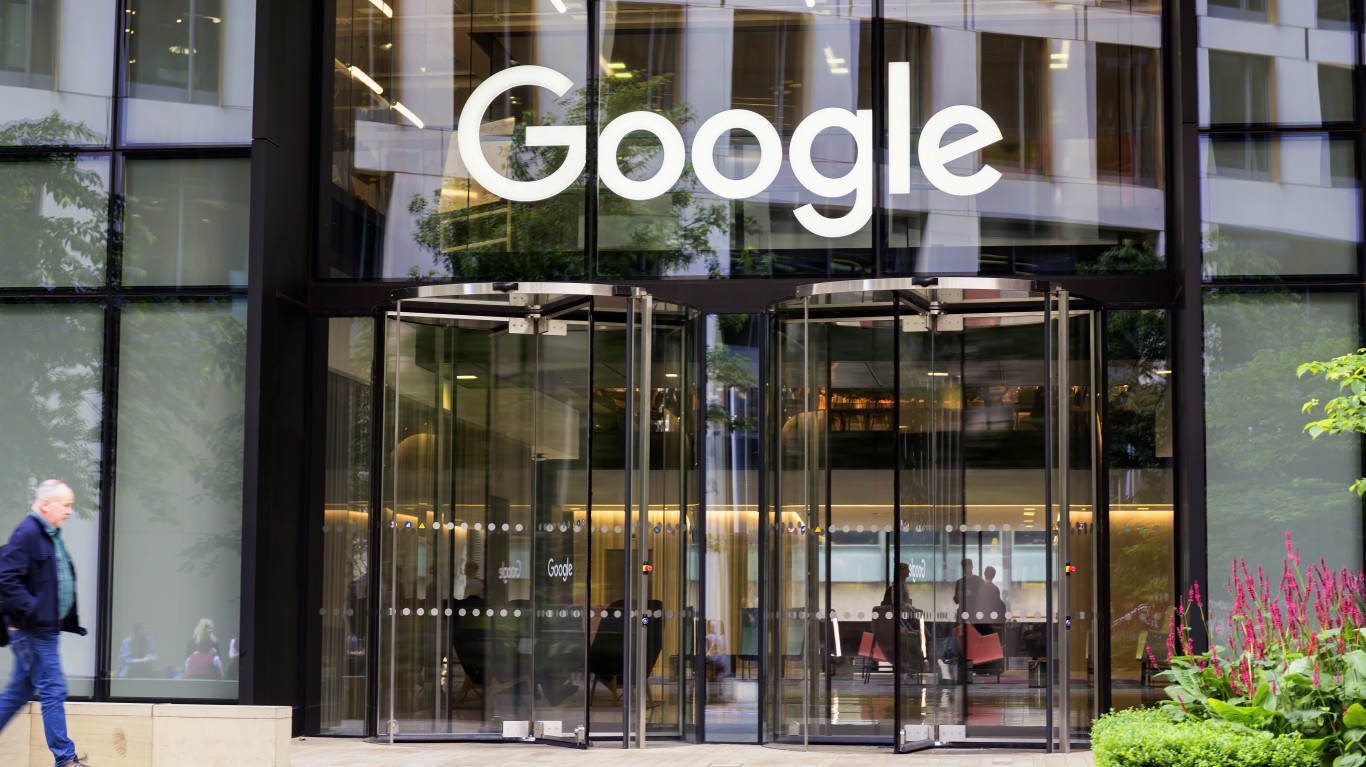
I bought more Alphabet (NASDAQ:GOOGL | GOOGL Price Prediction) this week, and I already have money set aside to buy more next quarter. Shares fell 7.16% over the past week to $324.22. To me, a drop like that marks down the most complete AI business in the market.
What Keeps Pulling Me Back
Every AI company runs into the same three constraints: chips, power, and data. Most of them rent their way past those limits. Alphabet owns its way past them. It designs its own TPU silicon, trains its own Gemini models, runs those models on Google Cloud, and sells them through Search, YouTube, Android, and Workspace.
Wall Street spends less time on another edge: Alphabet’s ownership of localized energy infrastructure, private fiber networks, and raw multimodal training data. A borrowed dollar buys GPUs quickly. A private fiber network and a deep library of video take years to build.
The flip side of that moat is that every other hyperscaler has to rent its way to the same capacity, which means the power, cooling, and networking suppliers behind the data-center expansion get paid either way (we covered seven of them, none of them chipmakers, in a free report here: 7 Stocks Powering the AI Boom).
Three Receipts Behind Every Purchase
First, growth keeps speeding up. Google Cloud revenue rose 82% to $24.77 billion in Q2 2026, compared with 28% growth in Q1 2025. Cloud backlog reached over $460 billion as of Q1. The Gemini App now has 950 million monthly active users.
Second, the business keeps delivering. Operating income climbed 30.38% to $40.77 billion at a 34% operating margin. Alphabet has now exceeded EPS estimates for 11 consecutive quarters and grown revenue by double digits for 12 straight quarters.
Third, I pay a reasonable price for a strong balance sheet. The stock trades at a trailing P/E of 14, with debt-to-equity of 0.14, plus interest coverage of 175.5x. Management also raised the quarterly dividend 5% to $0.22. For a retirement account, I want a payout that grows from a base this secure.
Why My Money Skips Microsoft and Amazon
Microsoft (NASDAQ:MSFT) runs an excellent business, but it trades at a P/E of 29. Azure grew 43% last quarter, about half of Google Cloud’s pace. The interest coverage of 50.88x also is well below Alphabet’s.
This one costs even more, with Amazon (NASDAQ:AMZN) at a P/E of 35. AWS grew 37%, and Amazon’s long-term debt rose to $119.1 billion from $65.6 billion. It carries a leverage ratio of 0.37 and pays no dividend.
Risk That Could Hurt Me
Alphabet spends at a pace that would worry any income investor. Q2 capital expenditures reached $44.92 billion, which pushed free cash flow to -$5.86 billion. Debt due after a year rose from $46.5 billion to $98.2 billion, and interest expense climbed nearly 5x. Management also suspended buybacks and raised $49.6 billion in equity, which reduces my stake.
That troubles me. Even so, my thesis stands. Operating cash flow hit $39.07 billion in one quarter, up 40.8%. A company that covers its interest 175.5x over borrows by choice. Lenders impose nothing on it.
Why the Buy Button Stays Active
Alphabet chief executive Sundar Pichai credited “our differentiated, full stack approach to AI” for the results, and the numbers back him up. Over ten years, the stock has returned 683.32%. I plan to keep an eye on Cloud growth and cash flow each quarter. As long as Alphabet keeps owning the chips, the power, and the data that competitors have to rent, I will keep buying it.
Contact [email protected] for any questions or corrections.
Alex Sirois is a financial writer with experience spanning both retail and institutional investing. He has written for InvestorPlace and held roles at BNY Mellon and Bernstein, giving him a perspective that bridges Main Street portfolios and Wall Street analysis.
Alex holds an MBA from George Washington University and has built his career across multiple industries, including e-commerce, education, and translation — a breadth of experience that informs how he breaks down complex financial topics for everyday investors. His writing is conversational, actionable, and grounded in long-term, buy-and-hold investing principles.
At 247 Wall St., Alex focuses on delivering analysis that is both accessible and useful, with a clear emphasis on helping readers make more informed decisions with their money.