Trump Is Cutting Tariffs on Canada, 11 Days Before the Midterms
Eleven days before the midterms, Trump quietly reshuffled which Canadian goods face his 50% tariffs, and a trade lawyer says more items were added than removed. The small print may matter far less than a brewing court case that could…


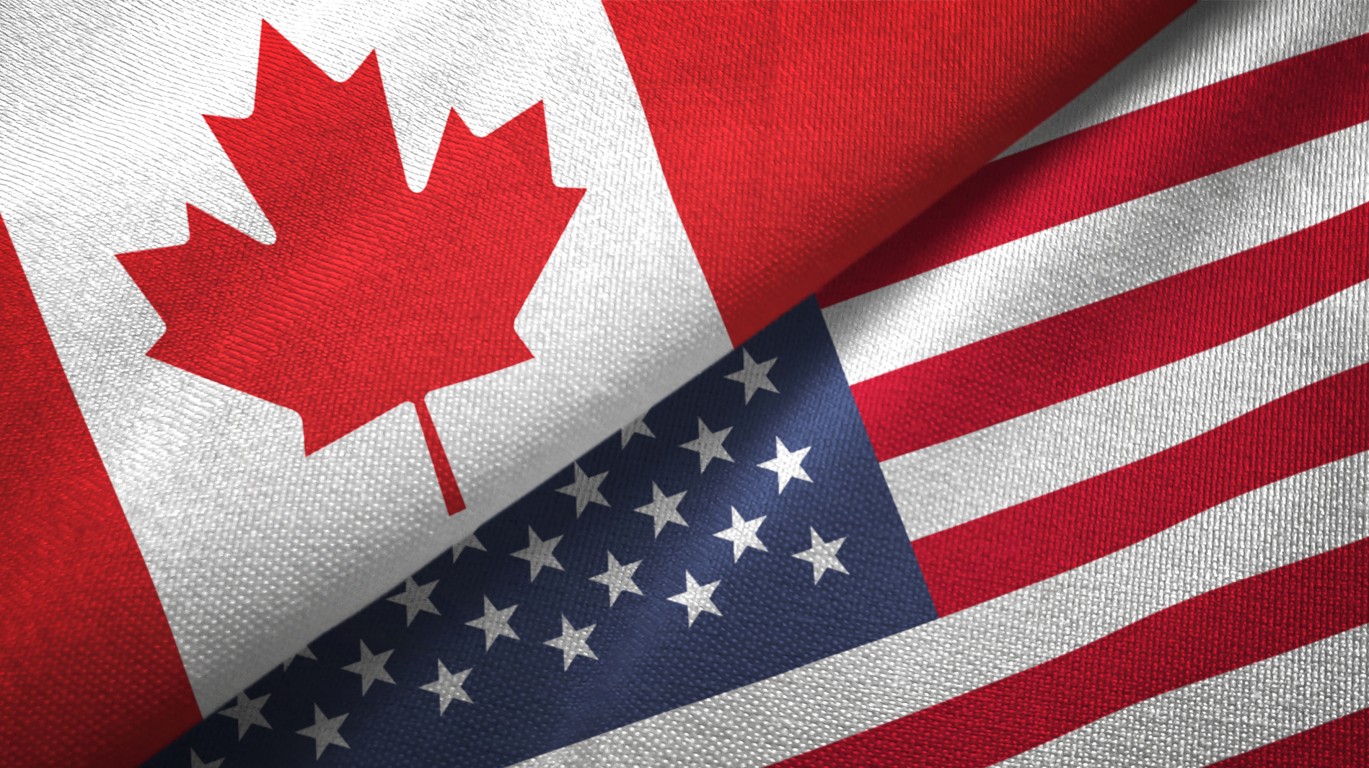
Plywood sheets, packing crates, and blueberry harvesting boxes are coming off President Trump’s Canada tariff list. Cocoa powder, vinyl flooring, shampoos, and carpets are going on.
On Friday, October 23, 2026, Trump signed a Proclamation under Section 338 of the Tariff Act of 1930. It changes which Canadian goods face his 50% summer tariffs, and he signed it 11 days before the November 3 midterms.
The iShares MSCI Canada ETF (NYSEARCA:EWC) fell 0.41% and closed at $60.69. That small drop makes sense, because the headline sounds bigger than the document behind it. The fund is up 21.63% over the past year, so investors are considering whether it has already priced in a trade peace that hasn’t arrived.
What the Proclamation Actually Changes
The signed text removes plywood sheets, some paper products, certain machinery and refrigeration equipment, and certain packing crates and boxes. It adds “certain valves, carpets, waste products” and more. The changes take effect Friday, October 30.
Trade lawyer Robert Glasgow said more items were added than removed. He expects a “relatively small impact in the immediate term.”
The broad tariffs on about $20 billion of Canadian products stay in place. They apply even to goods that qualify under USMCA (the North American trade pact). They also stack on top of Section 232 tariffs, which are separate national-security duties, so even the exempted goods get only partial relief.
The White House used broad category names and published no full list. Sen. Susan Collins (R-Maine) announced the relief herself and said nine categories of imports used by Maine growers and seaweed harvesters are now exempt.
Why the Midterm Timing Matters
Collins is in a tight race with Democrat Troy Jackson, who said: “Trump’s trade wars have made life harder and more expensive for Mainers.” Sen. Ron Wyden (D-Ore.) called the move a “desperate, 11th hour attempt” to save Collins’ career.
The pressure reaches well beyond Maine: an AP-NORC Center for Public Affairs Research poll taken September 24 to 28 found 65% of Americans blame Trump’s policies more than outside factors for high prices.
Trump took a harder line: “Canada is working very hard to make a deal with us, and I hate to say this, but we have all the cards.” Talks broke down in August, and no signed document shows they have resumed.
What Really Moves a Fund of Canada’s Biggest Companies
EWC holds $7.48 billion in assets. Its largest positions are Royal Bank of Canada (NYSE:RY | RY Price Prediction), Toronto-Dominion Bank (NYSE:TD) and Shopify (NASDAQ:SHOP), followed by banks, pipelines, oil producers and gold miners. Plywood and packing crates barely register.
A court case could matter more: on October 20, cheese importer Gellert Global Group sued at the U.S. Court of International Trade over the use of the Depression-era statute. A ruling against Section 338 would do far more for Canadian companies than any exemption list.
Ottawa is also taking on some of the damage. On October 21, Prime Minister Mark Carney and Ontario Premier Doug Ford announced a joint plan of about C$9 billion for steel, auto and mining companies.
What Could Move EWC After the Midterms
The bullish case for EWC depends on the businesses inside the fund. Canadian banks, energy and gold delivered a 13.06% gain year to date even with the 50% tariffs in force.
Entry price is a risk because EWC trades between a 52-week low of $49.31 and a high of $62.71, and it sits much closer to the top. A failed court challenge could push it lower quickly.
A ruling against Section 338 or a deal after the election would remove tariffs that this Proclamation only reduces. Carney has said, “We could sign it this afternoon if the U.S. were there.”
If EWC closes above $62.71 or the trade court rules against the tariffs, the case for a warming is playing out. If November 3 passes with no new talks scheduled, expect the fund to slide lower.
Contact [email protected] for any questions or corrections.
Omor Ibne Ehsan is a writer at 24/7 Wall St. He is a self-taught investor with a focus on growth, cyclical, and dividend equities that have strong fundamentals, value, and long-term potential. He also has an interest in high-risk, high-reward investments such as penny stocks.