Liberation Day Round 2.0? The Next Wave of Trump Tariffs Is Reportedly Close

This post may contain links from our sponsors and affiliates, and Flywheel Publishing may receive compensation for actions taken through them.
On April 2, 2025, the S&P 500 closed at 5,670.97. Over the next two sessions, it fell 4.84% and 5.97% and closed at 5,074.08. That 10.5% two-day drop is the comparison point for any new tariff wave.
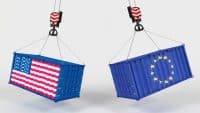
The administration is reportedly preparing to raise tariffs on China, the European Union and 14 other economies over industrial subsidies. Two people familiar with the matter confirmed the plan on the evening of November 24, 2026. They said the timing could still change.
No tariff action has been published. Rates and an effective date have not been disclosed, and USTR and the White House did not comment. As of early November 25, USTR’s newest press release was still the one dated November 19.
The three funds most exposed to the plan moved only slightly. On November 24, the SPDR S&P 500 ETF Trust (NYSEARCA:SPY) fell 0.51% to 718.58. The iShares China Large-Cap ETF (NYSEARCA:FXI) fell 0.6% to 31.44, and the Vanguard FTSE European ETF (NYSEARCA:VGK) rose 0.33% to 84.83.
What the Reported Plan Would Cover
The tariffs would come out of Section 301 investigations into structural excess capacity. USTR opened them on March 11, 2026, and they cover 16 economies. At the time, Trade Representative Jamieson Greer said the U.S. “will no longer sacrifice its industrial base.”
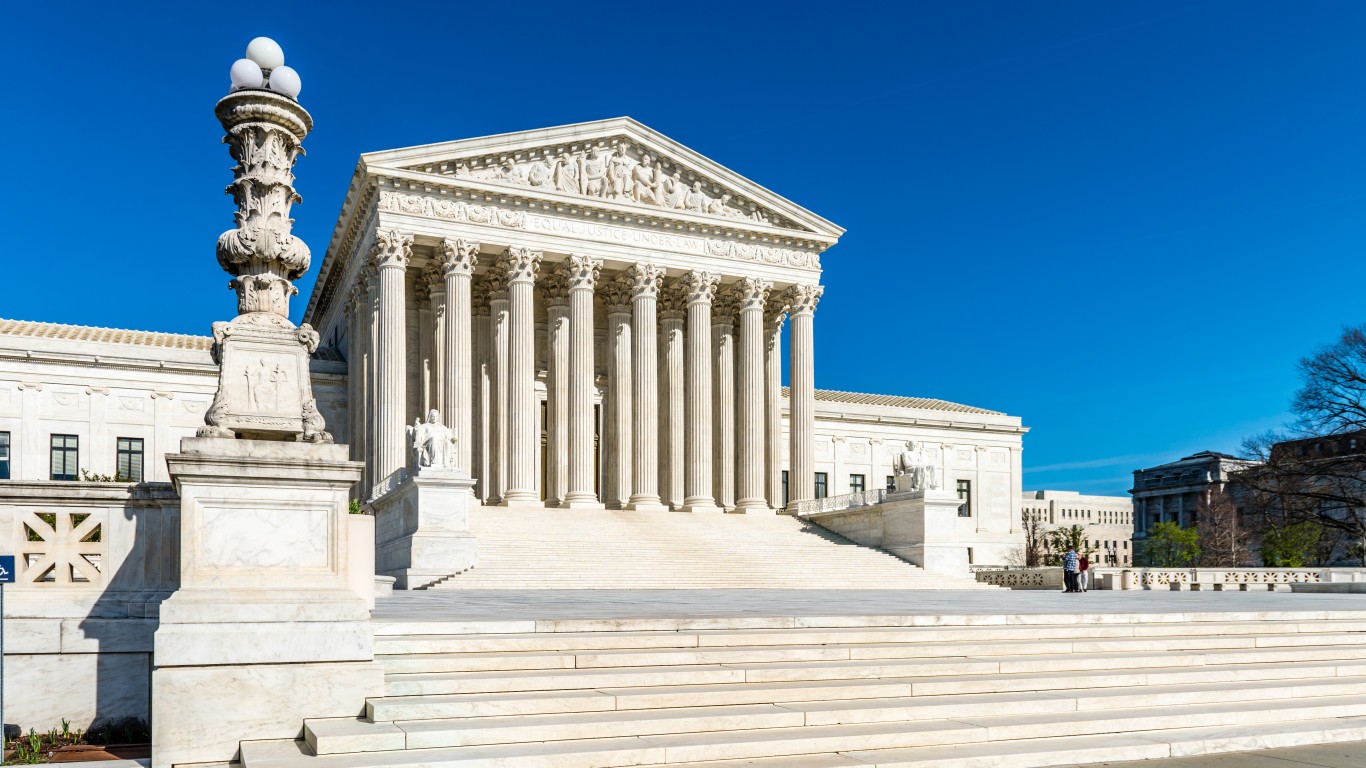
Section 301 lets USTR impose duties after it investigates unfair trade practices. That gives these tariffs a different legal basis from the April 2025 tariffs, which the Supreme Court struck down in February 2026.
The reported design is preliminary. It would cover most goods but exclude steel, aluminum, and cars. Japan, the EU and South Korea, which have trade deals with the U.S., are expected to face rates of 15% or lower, while China is expected to face a higher rate than most.
The new duties would be added on top of the 10% to 12.5% forced-labor tariffs imposed on about 60 trading partners in July. Those tariffs are being challenged at the Court of International Trade.
Why China Carries More Risk Than Europe
FXI is the most direct U.S.-listed fund for China exposure. It has fallen 17.3% year to date and trades 8.67% below its level on Liberation Day.
Its largest holdings, Alibaba (NYSE:BABA | BABA Price Prediction), Tencent and China Construction Bank, earn most of their money inside China. A tariff would hurt FXI mainly by slowing Chinese growth and weakening sentiment.
VGK is helped by the EU’s reported 15% ceiling. The stock has climbed 3.53% year to date, and its November 24 gain suggests investors see little new risk for Europe.
Why Stocks Reacted Far Less Than in April 2025
The April 2025 tariffs came as a surprise. This round reportedly keeps rates close to 2025 levels, caps the rates for deal partners, and leaves out major sectors, and the investigation behind it has been public since March.
On November 24, the Nasdaq Composite fell 1.48% while the Dow rose 0.85%. Tech and AI stocks were already under pressure, so that split says little about tariffs.
The political timing also points to restraint. The plan follows a sweeping Republican loss in the midterms and Trump’s meeting with Chinese President Xi Jinping in Shenzhen. It also comes before the December G20 summit that Trump hosts in Doral, Florida.
How Tariff Risk Stacks Up Across These Three Funds
Investors reason that companies already took in similar rates in 2025. SPY is still up 5.41% year to date.
Skeptics warn that the duties would pile up. U.S. importers would pay the new tariffs on top of the forced-labor tariffs, and the plan reportedly lets the U.S. raise rates later.
Our view is that the report alone leaves the outlook for SPY and VGK largely intact. Of the three, VGK looks best positioned because Europe’s rate is reportedly capped. FXI takes the most uncertainty until China’s rate is published, because China is the only major economy with no reported ceiling.
What matters is USTR’s release, which has no confirmed date. If it sets a rate above 15% for Japan, the EU or South Korea, the market’s calm reaction will likely look premature.
Contact [email protected] for any questions or corrections.
Omor Ibne Ehsan is a writer at 24/7 Wall St. He is a self-taught investor with a focus on growth, cyclical, and dividend equities that have strong fundamentals, value, and long-term potential. He also has an interest in high-risk, high-reward investments such as penny stocks.