Caterpillar Crashed By 25% Over 6 Months But This Global Banking Giant Says 85% Gains Will Come
Caterpillar has shed nearly 30% in six months while sitting on a backlog that stretched delivery timelines deep into the next decade, and one global bank sees something Wall Street is missing entirely.

Shares of Caterpillar (NYSE:CAT | CAT Price Prediction) currently trade at $622.50. Wall Street’s average price target is $881.45, which implies about 41.6% upside.
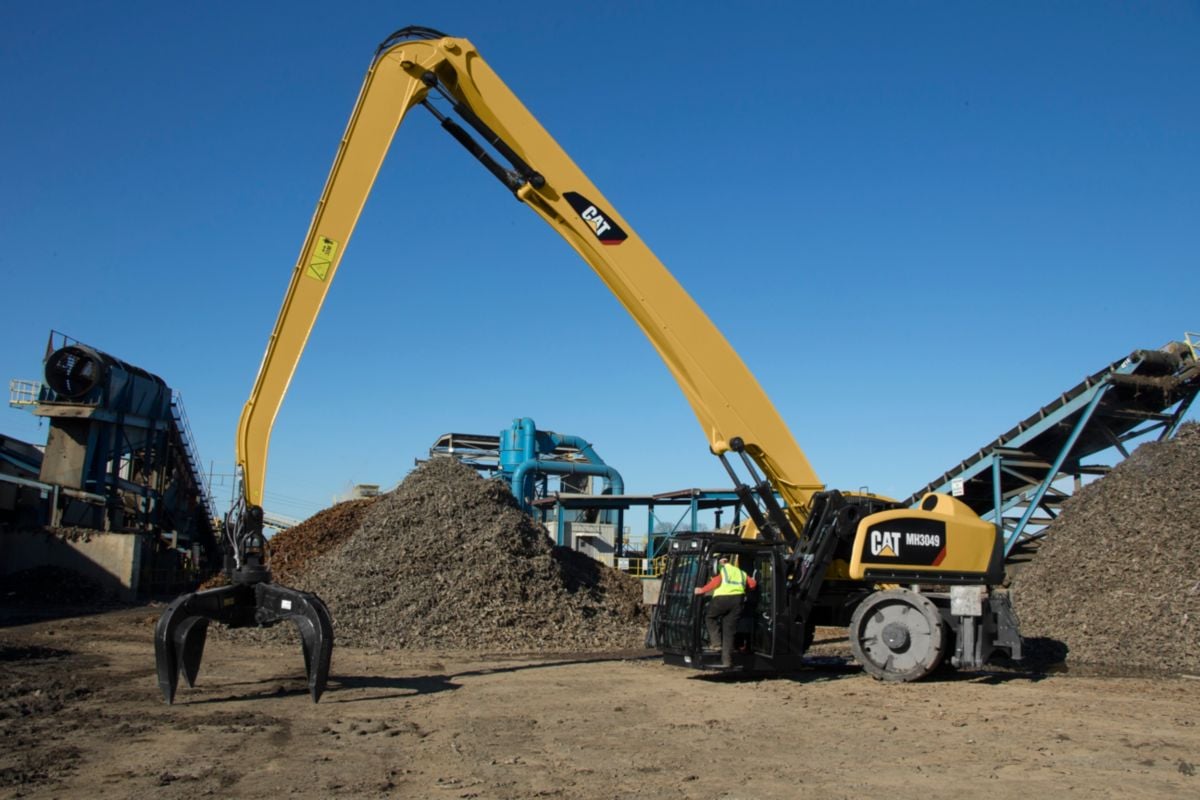
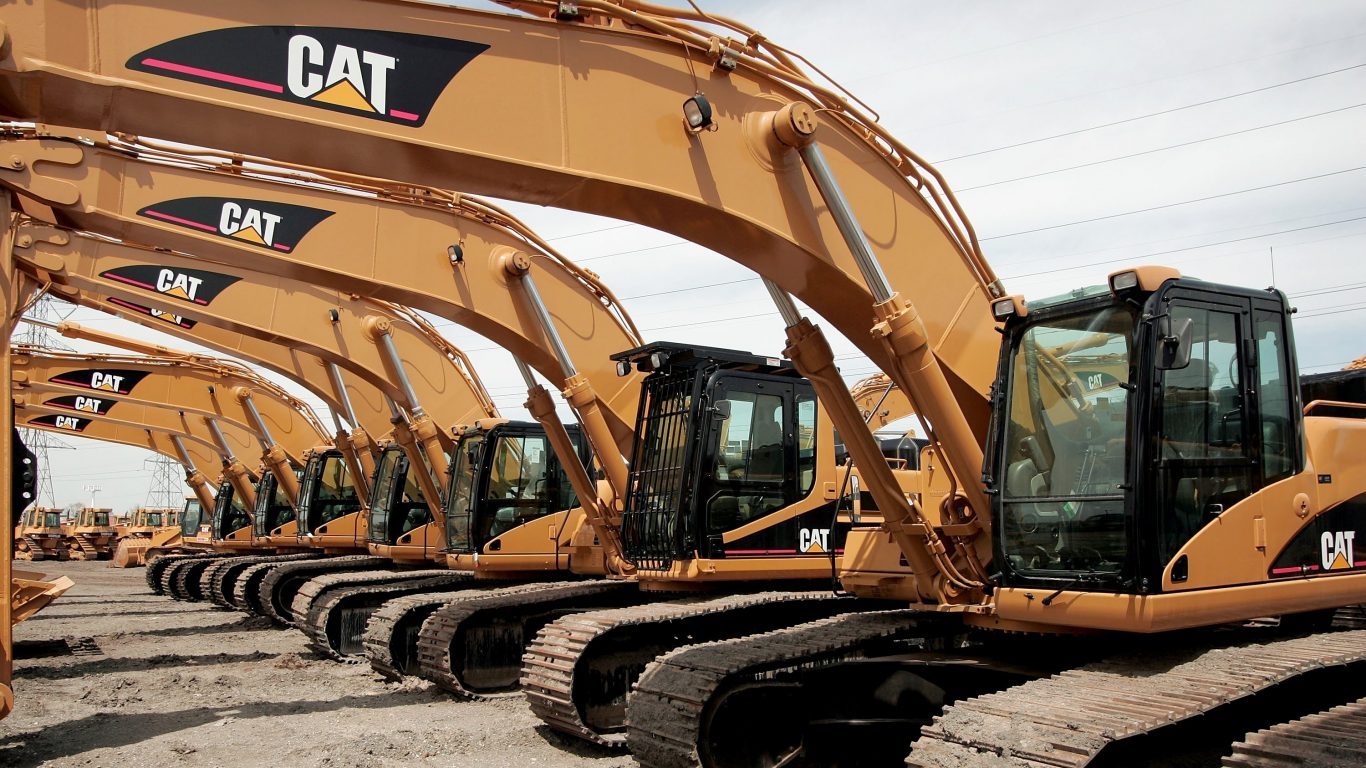
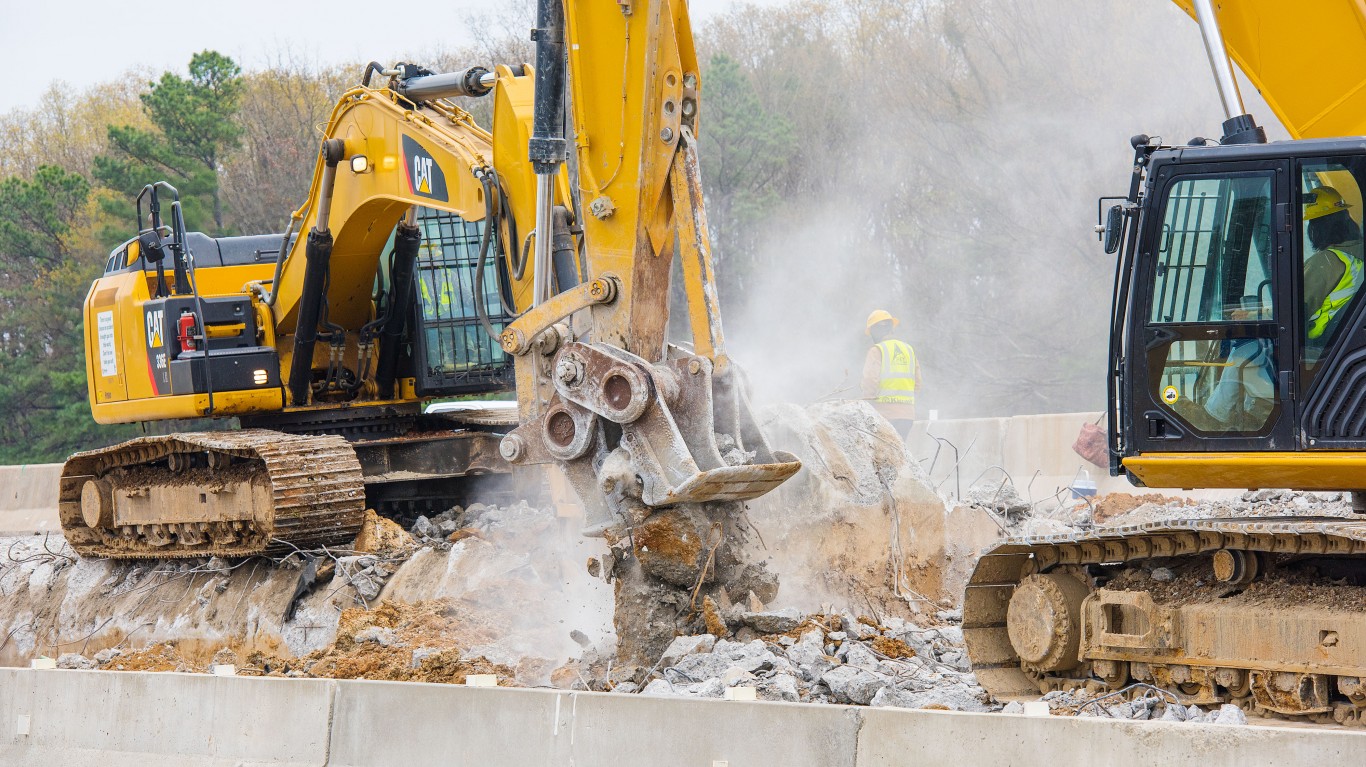
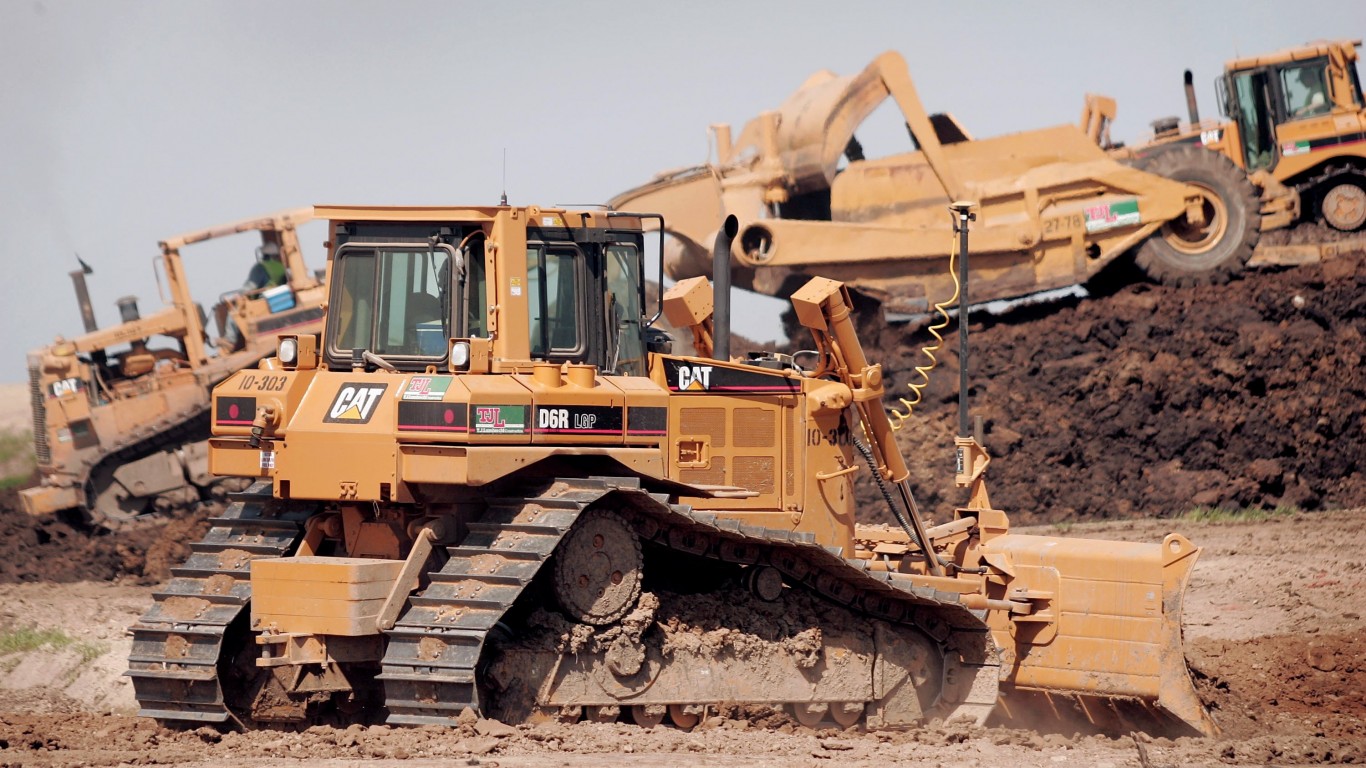
Caterpillar makes the excavators, mining trucks, turbines and large engines that dig, haul and power the industrial economy. The power business has made it an AI infrastructure name, because hyperscale data centers need backup and prime power. Power generation sales to users grew 75% last quarter.
HSBC is the most bullish, with a $1,150 target that implies about 84.7% upside. A gap that wide on a megacap means either the market is mispricing it or analysts are slow to adjust.
A Record Quarter Couldn’t Stop a Nearly 30% Slide
The stock has dropped 29.7% over six months, and the worst damage followed the third-quarter earnings report. Adjusted EPS of $7.20 beat the $7.04 consensus, but revenue of $20.68 billion came in a hair below expectations, and the stock slid on the revenue shortfall. Shares fell 23.01% over one month.
The outlook added pressure. Management guided to only moderate fourth-quarter sales growth, a $1.6 billion seasonal dealer inventory cut and full-year margins excluding tariff recoveries near the bottom of the target range. Tariff costs are tracking around $2.2 billion for the year.
The selloff was mostly about Caterpillar. The S&P 500 slipped just 0.91% over the same month.
Why HSBC Still Sees $1,150 While Others Trim
A record backlog of $78 billion, up 96% year over year, supports the optimistic thesis. Large reciprocating engine orders stretch to 2029, and turbine orders run into 2030. Caterpillar is raising large engine capacity to nearly three times its 2024 level by 2030.
HSBC’s thesis has three parts: AI data center power generation, global infrastructure and grid mega-projects, and high-margin services. The bank expects these to support earnings through a downturn. Management’s comments back the demand side: “Bringing additional capacity online is still the top pacing factor for growth in power and energy.”
Wall Street is less united than the main target suggests. Among 28 analysts, the split is:
- Strong Buy: 1
- Buy: 14
- Hold: 11
- Sell: 1
- Strong Sell: 1
Recent moves lean toward trimming. Wells Fargo’s Jerry Revich previously had a top-tier target but has cut it to the $800 to $840 range after the third quarter. On timing, CEO Joe Creed said margins should “start to claw our way off the bottom” of the range, with 2027 details coming next quarter. Until then, the backlog is limited by how fast factories can ship.
Cummins Shares the Discount, but Deere Has Run Ahead
Caterpillar didn’t fall alone, but its peers have split sharply.
Deere (NYSE:DE) is up 45.09% year to date at $675.48, close to its $694.01 target, for just 2.7% upside. Of 25 analysts, five rate it Strong Buy and 11 Buy. With the stock already near its target, Wall Street sees far less left to gain than at Caterpillar.
Cummins (NYSE:CMI) trades at $500.09, about 32% below its 52-week high. Its $708.66 target implies 41.7% upside, nearly identical to Caterpillar’s. It has 15 combined Buy and Strong Buy ratings, eight Holds and no Sells.
On consensus, Cummins and Caterpillar offer about the same implied upside. Caterpillar stands out only because of HSBC’s $1,150 call, and price targets remain estimates subject to revision.
A 52-Week High of $1,068.93 Shows How Far Caterpillar Has Fallen
At $622.50, Caterpillar sits about 41.8% below its 52-week high of $1,068.93. The 28-analyst consensus of $881.45 implies 41.6% upside. Treat that as one input among many.
Caterpillar is up 9.64% year to date, while the S&P 500 is up 10.82%. Over one year, the stock gained 7.7% and the index gained 11.16%. Shares trade at about 19 times forward earnings.
Backlog Strength Supports Caterpillar’s Bull Case, With Conditions
The outlook improves if new capacity turns the $78 billion backlog into revenue on schedule and margins start rising in 2027, as Creed suggested. Risks grow if tariffs, freight costs and factory ramp problems keep margins stuck at the bottom of the range while data center orders level off.
The setup looks carefully positive. A 19 times forward multiple for a company with years of order visibility looks reasonable. Still, HSBC’s $1,150 target needs everything to go right, so the $881.45 consensus is the more realistic reference. The January outlook for 2027 is the next key test.
Contact [email protected] for any questions or corrections.
Alex Sirois is a financial writer with experience spanning both retail and institutional investing. He has written for InvestorPlace and held roles at BNY Mellon and Bernstein, giving him a perspective that bridges Main Street portfolios and Wall Street analysis.
Alex holds an MBA from George Washington University and has built his career across multiple industries, including e-commerce, education, and translation — a breadth of experience that informs how he breaks down complex financial topics for everyday investors. His writing is conversational, actionable, and grounded in long-term, buy-and-hold investing principles.
At 247 Wall St., Alex focuses on delivering analysis that is both accessible and useful, with a clear emphasis on helping readers make more informed decisions with their money.