Why Bill Ackman Says He Feels Like “Markets Are Broken” Casinos
Bill Ackman called today's stock market a leverage-fueled casino, then admitted the chaos is good for his firm. The tension between his warning and his buy list raises a question every Pershing Square investor should ask.

This post may contain links from our sponsors and affiliates, and Flywheel Publishing may receive compensation for actions taken through them.
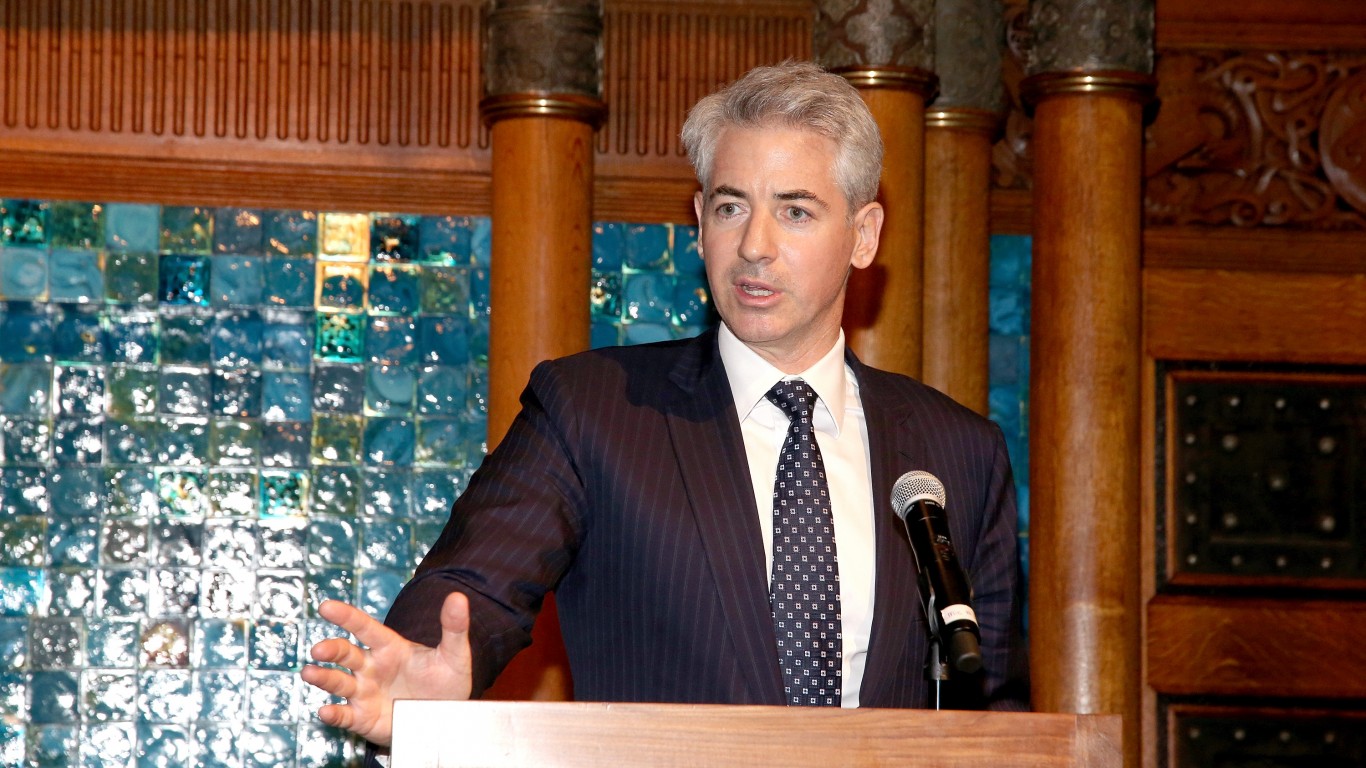
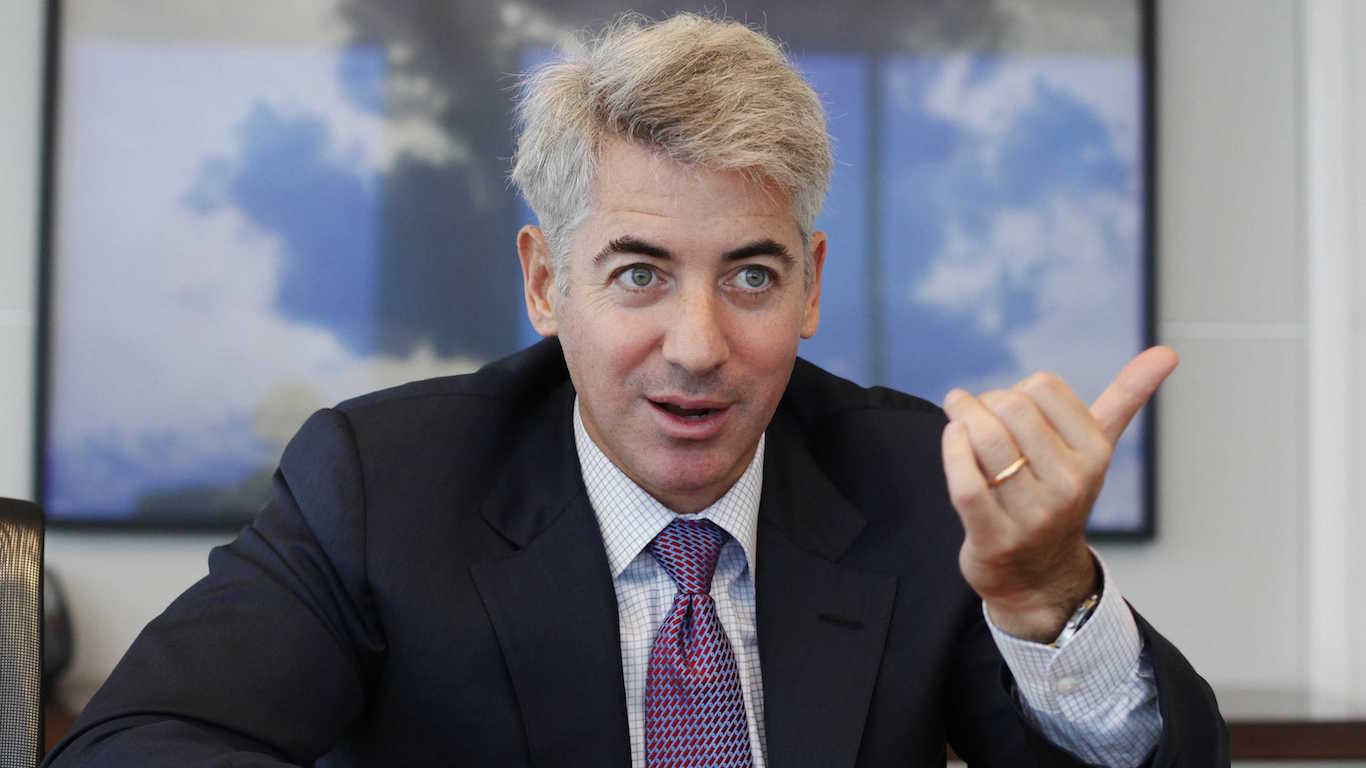
Bill Ackman went on television on November 3, 2026, to say that something in the stock market has gone wrong, and then explained why that disorder suits his firm. “Every number of days, I feel like markets are broken,” said the chief executive of Pershing Square (NYSE:PS).
He added that “Stocks trade at prices that make no sense to me” and that “We’re back to the casino-type markets when there was 95% leverage.” The leverage figure is his own claim.
The tension is that he owns the stocks he calls bargains, and his listed company earns fees when investors believe patient stock picking beats speculation, so his warning also promotes his own holdings. Pershing Square closed at $46.66, up 0.09%, then traded at $46.58 at 7:30 p.m. ET, down 0.17% after hours, so the stock barely moved.
Ackman’s Case Against Borrowed Money and Thin Float
He worries that one-day leveraged funds and perpetual futures are dangerous for people treating stocks as a get-rich-quick scheme. “I don’t think that’s inherently good for the economy, for society, and it’s leading to these massive moves in stocks.” Riding a market this frothy is fine as long as you plan the exit, which is the whole argument of our free bubble survivor’s handbook.
Pershing’s third-quarter letter, dated November 2, blames volatility on “the reduction in float from indexation and the increased amount of capital controlled by leveraged short-term investors.” Float means shares that actually trade. Index funds hold shares and rarely sell, so each remaining trade moves the price further.
Separately, CFTC chairman Michael Selig announced that perpetual futures on individual stocks “can begin trading for the first time on CFTC-registered exchanges” and “were deemed approved by the Commission.” These contracts never expire, letting traders hold borrowed exposure indefinitely. The statement named no exchange or launch date.
Ackman’s Buy List Behind the Warning
“Yes, it’s good if you’re a long-term investor and you can buy at a stupid price,” he said, adding, “It’s good for us long term,” but “I don’t think it’s good for the country.”
Pershing bought Microsoft (NASDAQ:MSFT | MSFT Price Prediction) during the software selloff called the “SaaSpocalypse.” He is most bullish on Visa (NYSE:V), Mastercard (NYSE:MA) and Netflix (NASDAQ:NFLX).
Through September 30, measured from average cost, the letter shows Visa up 12%, Mastercard up 13% and Netflix down 11%. Pershing’s own estimates put them at 24x, 24x and 19x next-twelve-month earnings.
Visa closed at $420.42 against a 52-week high of $426.78, and Mastercard at $647.18 against $661.34, so neither is cheap on price. Netflix closed at $63.42, near its $61.39 low, which makes it the clearest current measure of his dip-buying thesis.
What PS Shareholders Actually Own
PS is a fee-earning manager worth $18.66 billion. Third-quarter revenue of $56.604 million missed the $75.474 million estimate, with no performance fees.
The stock is up 93.53% since its first trading day on April 29, 2026, but down 11.55% over the past month, inside a 52-week range of $22.01 to $60.40.
The letter notes the S&P 500 gained just over 2% in the third quarter while the median stock fell behind. That supports his view of a narrow market.
What Investors Should Weigh Before Judging PS Stock
PS focuses investor money on one manager’s judgment and adds a fee layer. The most recent quarter missed expectations on both revenue and adjusted EPS of $0.12.
Visa, which he calls among the world’s greatest businesses, is a $781.77 billion company with pricing power, and its results rest on its own operations rather than on one manager’s calls.
Keep an eye on Netflix. If shares close below $61.39, his largest dip purchase would be losing value while he promotes it publicly, and that would hurt the argument for PS.
Contact [email protected] for any questions or corrections.
Omor Ibne Ehsan is a writer at 24/7 Wall St. He is a self-taught investor with a focus on growth, cyclical, and dividend equities that have strong fundamentals, value, and long-term potential. He also has an interest in high-risk, high-reward investments such as penny stocks.