Dell Sinks 12%, Hewlett Packard Enterprise and Super Micro Tumble 10% as Post-Midterm Sell-Off Hits AI Hardware
A Texas governor's pledge, a memory shortage warning, and a shifting Congress have AI server stocks bleeding for a second day. One of the three biggest names is falling hardest, and its earnings date may decide whether the panic is…

This post may contain links from our sponsors and affiliates, and Flywheel Publishing may receive compensation for actions taken through them.
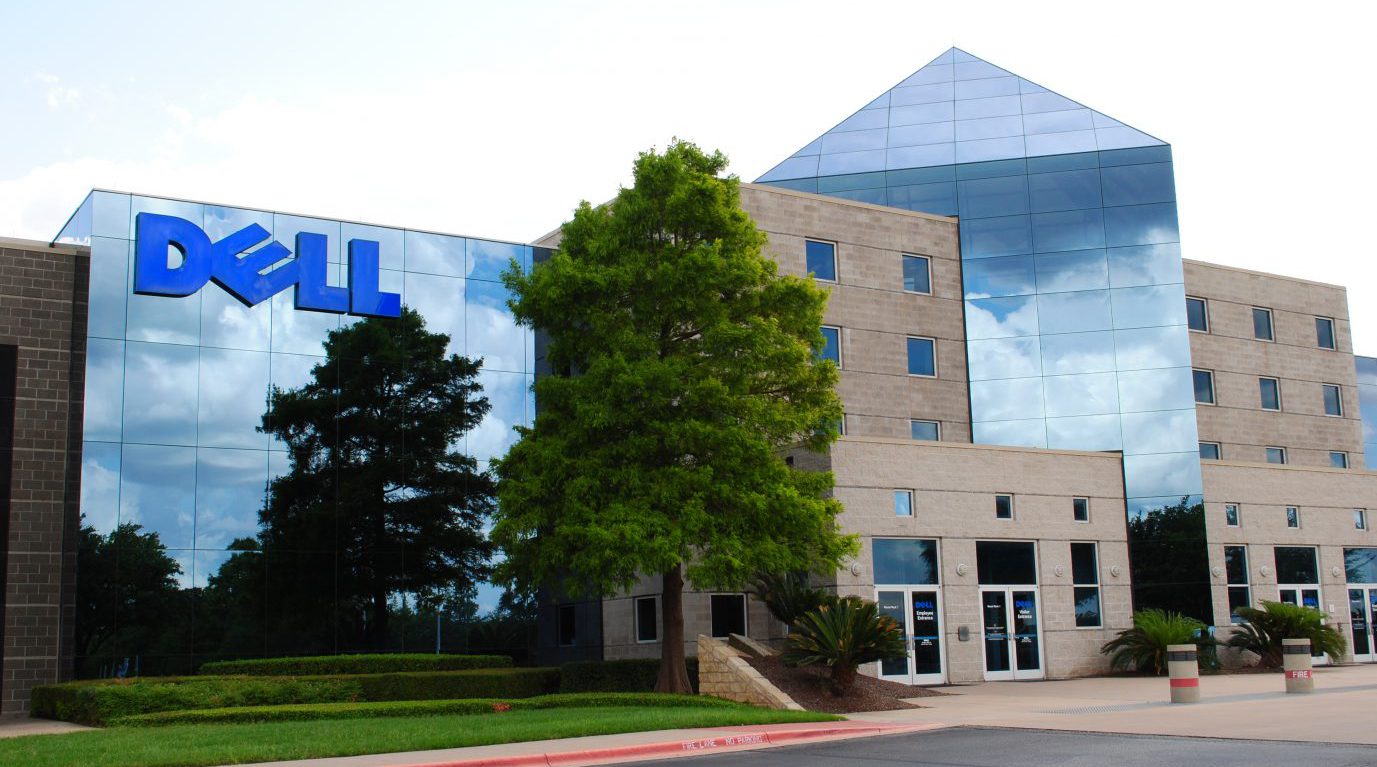
The post-midterm unwind in AI hardware extended into a second straight day of losses, and the biggest server names are taking the hardest hits. Dell Technologies (NYSE:DELL | DELL Price Prediction) stock is at $325.94 in afternoon trading, down 12%. Even after the drop, Dell stock is up 162% year to date (YTD), a run that left plenty of room for profit taking as the market turns back its post-election rally.
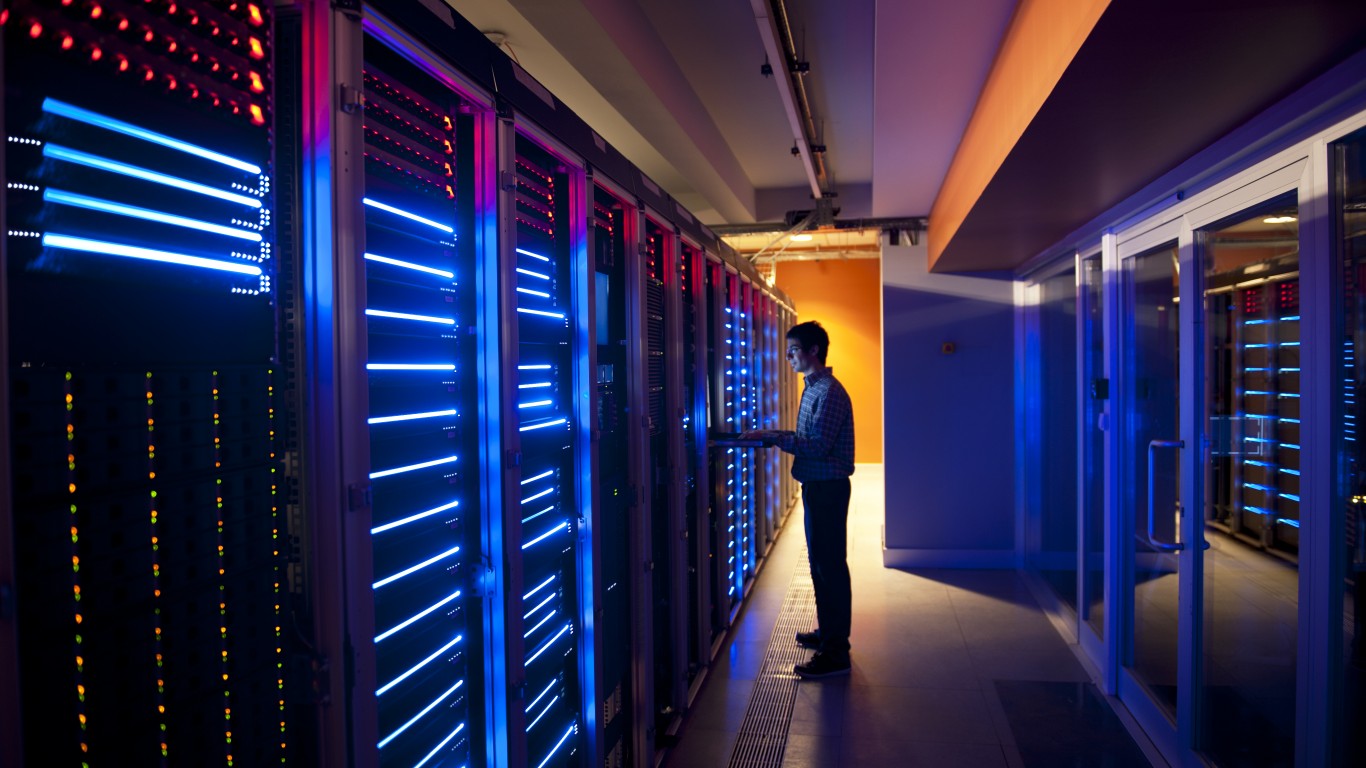
At the same time, Hewlett Packard Enterprise (NYSE:HPE) stock is at $45.04, down 10%. Super Micro Computer (NASDAQ:SMCI) stock is trading at $26.70, also down 10%. All three companies build AI-optimized servers for data centers, so the selling is landing on Dell and its rivals as a group.

Election Results Rattle the AI Data Center Build-Out
The selling has kept going. It followed Democrats winning control of Congress in the November 3 midterm elections, with investors weighing what the shift means for the AI data center build-out that powered Dell’s rally. Broader indexes are falling, per Yahoo Finance, with the NASDAQ Composite down more than 5% and the S&P 500 down more than 3%.
Texas also elected a governor who has promised a moratorium on data center construction. That pledge matters for Dell because, according to Yahoo Finance, Texas accounts for more than 25% of planned U.S. data center capacity through 2030.
Rising memory costs are a second worry for Dell and its server rivals. Qualcomm issued a weak forecast after the market closed on November 4, tying it to a memory shortage. Higher memory prices could squeeze margins at server builders.
Per TIKR, Dell’s forward price-to-earnings ratio has fallen to about 13x, compared with a five-year average of 12x, even though analysts still expect strong earnings growth. That shift frames the slide as a valuation reset for Dell, whose Q2 FY2027 results, reported September 1, included record AI orders of $60.9 billion.
How Dell’s Drop Stacks Up Against NetApp and HP
Dell’s sharper decline lines up with its bigger YTD run, which leaves more gains for traders to lock in. Hewlett Packard Enterprise is extending a slide after lagging its competitors on November 4, while Super Micro is adding to its losses from that session.
NetApp (NASDAQ:NTAP) stock is at $172.35, down 8%. Its decline sits closer to the AI server group than to traditional hardware.
HP Inc. (NYSE:HPQ) stock is at $29.40, down 2%. That modest decline at HP shows PC-heavy hardware is holding up far better than AI server names.
Dell’s Diversified Model Versus Pure-Play Super Micro
Dell sells AI-optimized servers alongside traditional servers, storage, networking gear and a large PC business serving commercial and consumer customers, and that mix gives Dell a buffer when AI spending fears flare, since the PC side runs on a different demand cycle.
Super Micro is the purest AI server builder of the three, with less diversification and more concentrated exposure to the data center cycle, and the company has disclosed a board-led independent review of transactions tied to export-control issues, adding a governance cloud. Between those two models sits Hewlett Packard Enterprise, which pairs servers and storage with an enterprise networking business now heavily weighted toward Juniper Networks.
Dell’s Earnings Test Comes Into Focus
Hewlett Packard Enterprise is expected to report its Q4 FY2026 results later this month, though the company hasn’t confirmed a date. Server margins from Hewlett Packard Enterprise could offer an early read for Dell, which is expected to report on November 24. Dell has guided to $19 billion in Q3 FY2027 AI server revenue. The next test for Dell is whether its AI orders hold up as customers digest the election results.
The bulls can point to Dell’s record AI server backlog of $95 billion and a valuation that has returned toward its historical norm. The bears counter that a Texas moratorium, tighter memory supply and fading risk appetite could slow the build-out behind Dell’s backlog. Another challenge comes from the broader economy, with the October jobs report due November 6. Volatility could stay elevated until the post-midterm AI spending debate resolves.
Contact [email protected] for any questions or corrections.
David Moadel is financial writer specializing in stocks, ETFs, options, precious metals, and Bitcoin. David has written well over 1,000 articles for leading online publications, helping investors understand markets, income strategies, and risk.His work has appeared in The Motley Fool, InvestorPlace, U.S. News & World Report, TipRanks, ValueWalk, Benzinga, Market Realist, TalkMarkets, Finmasters, 24/7 Wall St., and others.With a master’s degree in education, David has taught at the elementary, high school, and college levels. That teaching background shapes his writing style: clear, educational, and practical. David has also built a loyal social-media audience by providing trustworthy financial content on YouTube, X/Twitter, and StockTwits.