Citigroup’s Jane Fraser Says Hedge Funds Drove the Sell-Off. Here’s Why She Doesn’t Expect It to Get Worse
The VIX nearly doubled in a day, yet one of Wall Street's biggest bankers says the real culprit sits inside hedge fund risk models. What does she see in her client flows that makes her call the panic a forced…

This post may contain links from our sponsors and affiliates, and Flywheel Publishing may receive compensation for actions taken through them.
Wall Street’s fear gauge spiked this week. The CBOE Volatility Index (VIX) jumped to 28.18 on November 5, up from 16.61 the day before. Over the same period, the Nasdaq had its biggest daily drop in 19 months on fears of AI regulations. A day later, the chief executive of Citigroup (NYSE:C | C Price Prediction), Jane Fraser, went on CNBC and blamed most of the damage on the way hedge funds were trading.
What Fraser Told CNBC About the Sell-Off
In her November 6 CNBC interview, Fraser described the selling this way: “It’s really the action taken by the hedge funds to de-risk. So we’re seeing them buying back the short positions. We’re seeing them selling their long positions.”
CNBC’s headline on the clip summed up her outlook: she doesn’t think the correction will run deeper or longer. She also called a pullback overdue: “I think it’s probably time for a market correction. At some point, it’s probably going to be a good thing to have one.” On the AI trade at the heart of the drop, she said, “The demand behind AI is real,” and added that the open questions are about pace and bottlenecks.
De-Risking, Short Covering and Forced Selling in Plain English
De-risking means a fund cuts its exposure after losses so that one more bad day can’t do serious damage. Many hedge funds hold two kinds of positions at once. Their longs are stocks they own and expect to rise. Their shorts are borrowed shares they sold, with the plan to buy them back later at a lower price. Short covering is that buyback. When funds de-risk, they do both at the same time: they sell what they own and buy back what they shorted.
The selling happens because risk limits require it. The funds may still like the companies. When many funds holding similar positions cut at once, prices can fall faster than earnings or business conditions would justify. Reuters reported the sell-off wiped out hedge fund gains, prompting risk cuts and layoffs, and noted that several large multi-manager platforms had cut risk.
Why Citigroup Has a Front-Row Seat
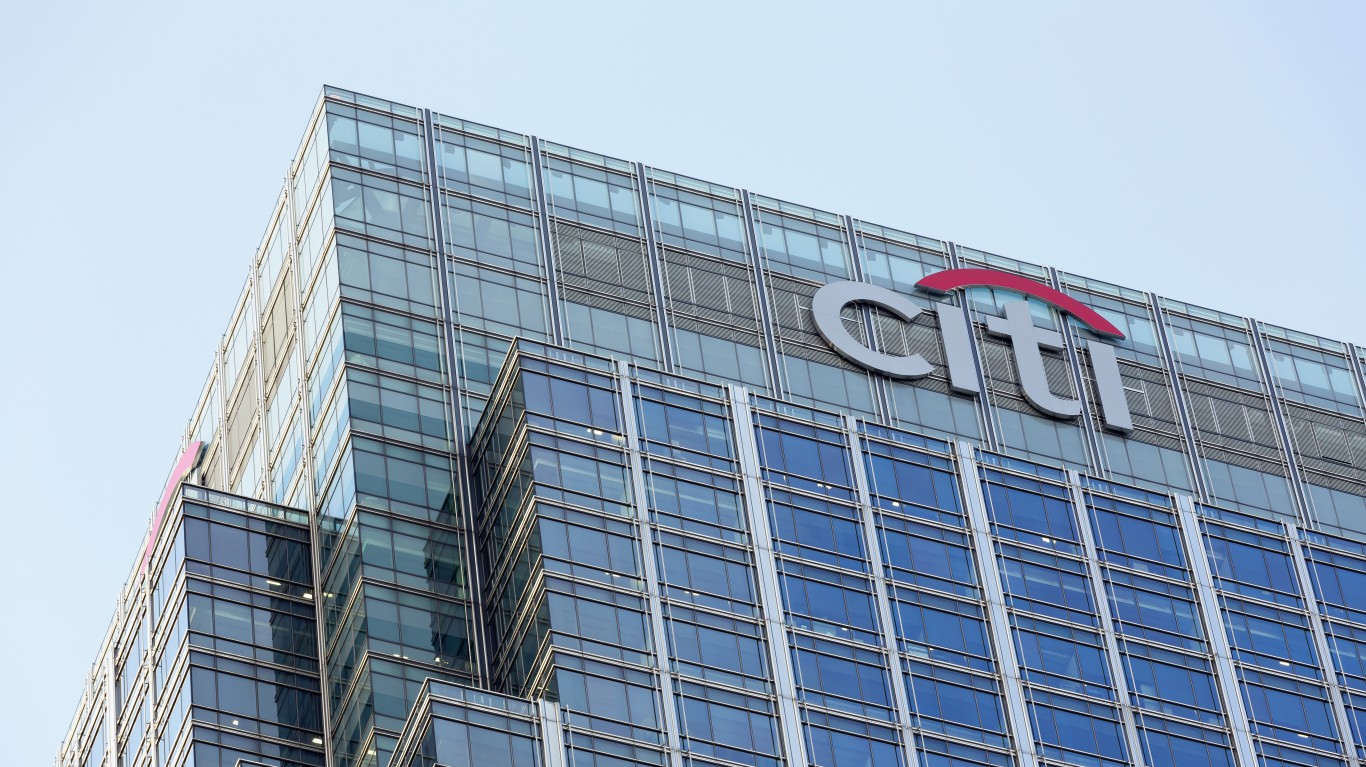
Citigroup runs a large prime brokerage business that lends to hedge funds and processes their trades. In its first-quarter 2026 results, prime balances hit a record, rising more than 50%, and Equity Markets revenue grew 39%. That means Fraser is describing client flows her bank actually processes. Citi’s 2026 proxy filing lists her as Chair & CEO.
Citi’s own stock was caught in the drop. Shares closed at $119.06 on November 6, down 2.4% for the week and 5.99% for the month. They are still up 20.47% over the past year. The SPDR S&P 500 ETF Trust (NYSEARCA:SPY) fell 2.7% for the week and 5.39% for the month, but it is still up 7.83% year to date.
What Retirees and Near-Retirees Should Take From This
- Keep the time frame in view. The S&P 500 ETF has gained 243.42% over the past ten years, and that period included plenty of sharp drops. A one-month fall is small by comparison.
- Forced selling can distort prices. If the selling really comes from forced fund flows, prices may be showing fund mechanics more than company fundamentals, a factor worth weighing in any portfolio review.
- Withdrawal planning determines the impact. Retirees who keep a year or two of spending in cash or short-term bonds are not forced to sell stocks after a drop to pay the bills.
- Allocation drift is worth tracking. A correction can push a portfolio below its target stock allocation, which is one reason some investors review allocations on a set schedule instead of in response to headlines.
That first point about withdrawal timing is the whole reason an early-retirement drawdown can do lasting damage even when the market later recovers, a dynamic we walked through in a free guide on defending the first five years of retirement.
Signals That Will Show Whether Fraser Is Right
Fraser’s view is one bank executive’s reading of the market, and nobody can reliably call how long a correction will last. The VIX is the first thing to watch. A move above 30 would point to rising fear, while a drift back toward the 15 to 20 range would suggest the forced selling has run its course. Two other things matter too: whether hedge funds keep cutting risk, and whether the worries about AI regulation become actual policy. If funds finish de-risking and the selling stops, that supports Fraser’s case. If the selling spreads to companies with weakening earnings, that would mean more than fund mechanics is driving the drop.
Contact [email protected] for any questions or corrections.
Chris Lange is a financial and geopolitical writer with more than a decade of experience covering a myriad of topics. He has published thousands of articles for 24/7 Wall St., with past coverage focused heavily on stocks, IPOs, healthcare, defense, global affairs, and technology.
His work has been quoted, or referenced by a number of outlets including Business Insider, USA Today, Yahoo Finance, MSN, The Motley Fool, and many other publications. A graduate of Southwestern University, he studied business with a focus on investments and has previous experience in banking and startups.
When not reading or writing the news, he is following his passion for Lacrosse, playing chess, or building solar projects with his dad.