MP Materials Gains 3% as Traders Pick Winners Among Critical-Minerals Stocks; United States Antimony Slides 6%, Critical Metals Drops 5%

This post may contain links from our sponsors and affiliates, and Flywheel Publishing may receive compensation for actions taken through them.

Traders are sorting critical-minerals stocks into winners and losers, and they’re preferring the largest U.S. rare earths producer. MP Materials (NYSE:MP) stock is at $37.95 in Thursday afternoon trading, up 3%. That gain arrives one session after the broader group rallied together, and the pattern points to rotation toward producers with real revenue behind them.
Smaller, more speculative names are moving the other way. United States Antimony (NYSE:UAMY) stock is trading at $2.95, down 6%. At the same time, Critical Metals (NASDAQ:CRML) stock is at $5.35, down 5%.
USA Rare Earth (NASDAQ:USAR) is also on traders’ radar; USAR stock is down 0.82% to $8.20. Across the group, the split comes on a risk-off day for speculative stocks after a hotter-than-expected October inflation reading pushed Treasury yields higher. Higher borrowing costs tend to weigh heaviest on companies that still need outside capital to build their projects.
MP Materials Earnings Back the Shift Toward Producers
MP Materials reported its Q3 2026 results on November 5, and that report remains the clearest background for the stock’s relative strength. Quarterly revenue at the company reached $147.66 million, up 175.7% year over year (YoY), against an estimate of $118.86 million. On the bottom line, adjusted earnings per share (EPS) of $0.04 beat expectations for a loss of $0.01.
Part of that beat came from one sale. It was a one-time $31.6 million sale of SEG+ (samarium, europium, gadolinium and heavier elements) to a U.S. aerospace and defense customer. Without that sale, MP Materials’ Q3 revenue would have landed below the consensus estimate. Still, the core business improved, with neodymium-praseodymium (NdPr) sales volume up 94% YoY to 1,020 metric tons.
Chief executive James Litinsky made an announcement. He declared that “we completed the GM qualification process, with saleable magnet deliveries and revenue beginning in the fourth quarter.” Beyond that automaker relationship, MP Materials holds a long-term magnet supply agreement with Apple (NASDAQ:AAPL | AAPL Price Prediction). A partnership with the U.S. Department of War adds a price protection agreement, which generated $8.1 million of income in the quarter.

United States Antimony and Critical Metals Lose Ground
United States Antimony is falling further than MP Materials and Critical Metals, and its results help explain why. The company disclosed on August 17 that its quarterly revenue fell 24.9% YoY to $7.90 million as average antimony selling prices dropped 52% to $13.70 per pound. Management then cut the company’s full-year 2026 revenue guidance to $60 million to $75 million from $125 million.
Volume held up for United States Antimony, with pounds sold rising 26%, but pricing overwhelmed that growth. The stock’s slide against MP Materials’ gain shows how differently traders treat a single-commodity seller and a producer with contracted customers.
Critical Metals is a pre-revenue developer whose Tanbreez rare earths project in Greenland had targeted first mineral exploitation by the end of 2028. Losses at the developer reached $120.38 million for the six months ended December 31, 2025, driven mainly by an $80.14 million non-cash warrant fair-value loss. Going-concern doubt hangs over the company, since it relies on private placements and warrant exercises for funding.
How MP Materials Built a Different Kind of Rare Earths Business
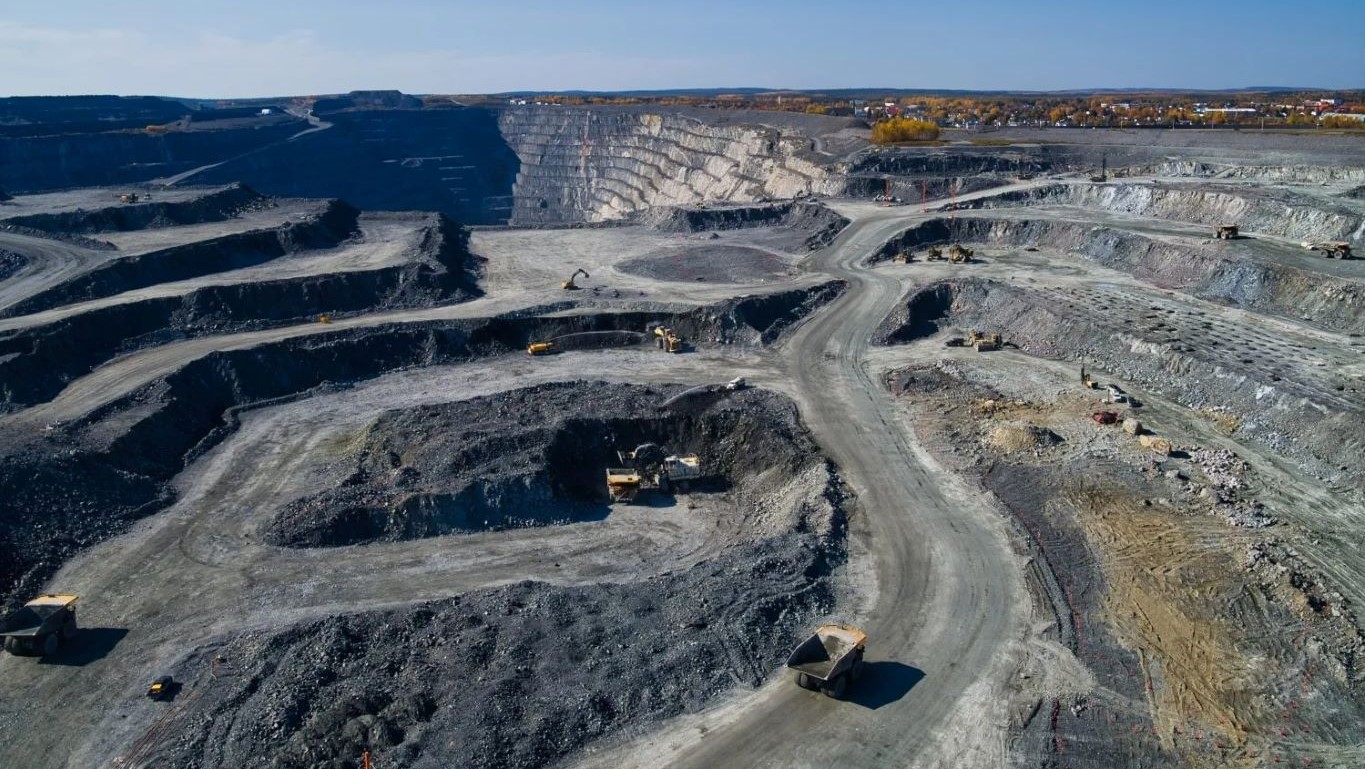
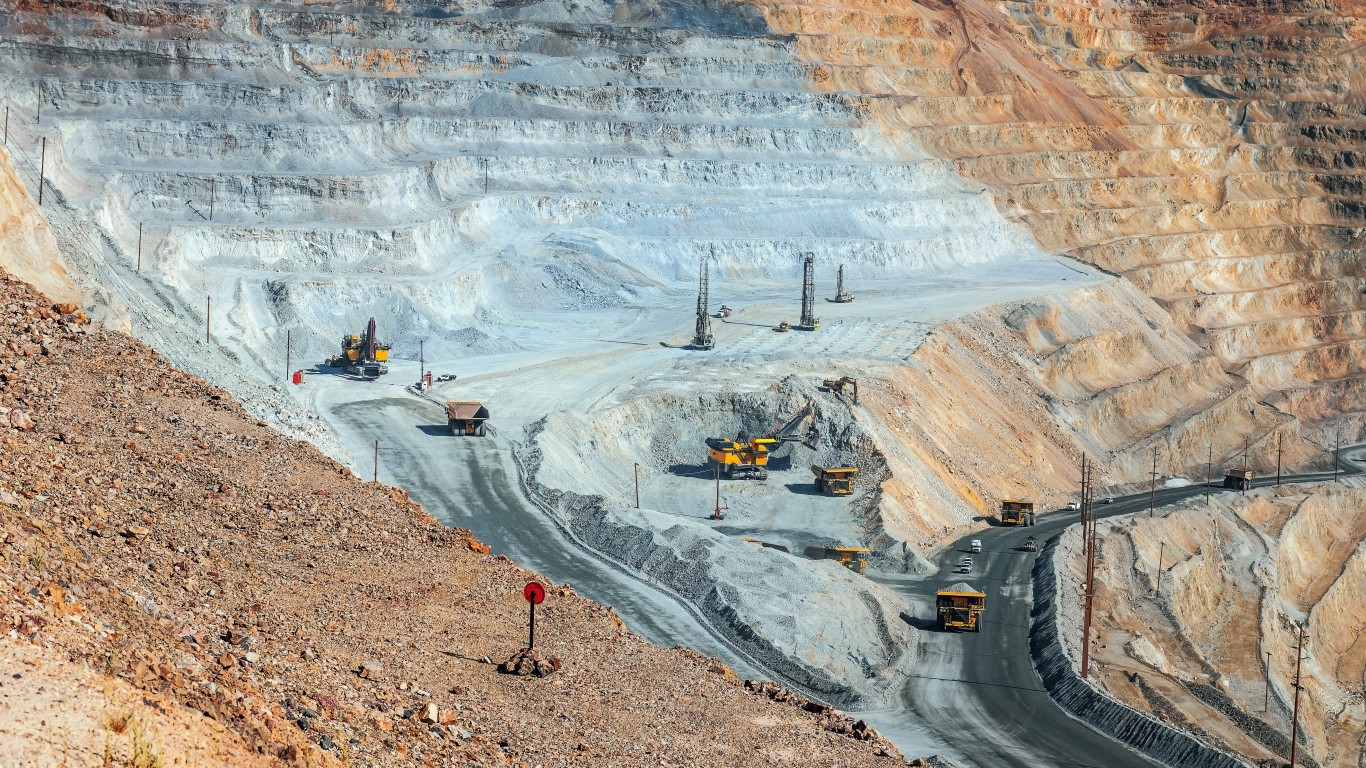
MP Materials runs a vertically integrated chain. It starts at the Mountain Pass mine in California and ends at its Independence magnet plant in Fort Worth, Texas. That setup lets the company sell separated rare earth oxides, metals and finished magnets to automakers, electronics makers and defense buyers. Government price support adds a cushion that smaller rivals mostly lack.
United States Antimony focuses on antimony smelting in Montana plus a zeolite business, so its results swing with one commodity price, while Critical Metals has no operating mine yet and depends on projects in Greenland and Austria, including a lithium supply deal with BMW. USA Rare Earth is pursuing a mine-to-magnet model similar to MP Materials’, though its commercial magnet sales from Oklahoma began only recently.
What Comes Next for MP Materials and Its Smaller Rivals
MP Materials’ next test is whether saleable magnet deliveries in Q4 2026 turn into steady magnet revenue. Bullish investors can point to blue-chip customers, Department of War pricing support and fast-growing NdPr volume. Bears can note, however, that start-up costs rose to $14.2 million from $1.4 million during the magnet ramp, and that the one-time SEG+ sale inflated Q3.
Smaller names carry two-sided risk. United States Antimony expects Defense Logistics Agency deliveries to lift its margins, while Critical Metals earlier targeted a definitive feasibility study for Tanbreez by the end of 2026. Either milestone may reorder how traders rank the group.
Rate-sensitive selling could ease if Treasury yields settle, which would help MP Materials and its peers alike. For investors, caution could make sense while the debate over MP Materials’ magnet ramp plays out.
Contact [email protected] for any questions or corrections.
David Moadel is financial writer specializing in stocks, ETFs, options, precious metals, and Bitcoin. David has written well over 1,000 articles for leading online publications, helping investors understand markets, income strategies, and risk. His work has appeared in 24/7 Wall St., The Motley Fool, InvestorPlace, U.S. News & World Report, TipRanks, ValueWalk, Benzinga, Market Realist, MarketScreener, TalkMarkets, Finmasters, and others. With a master’s degree in education, David has taught at the elementary, high school, and college levels. That teaching background shapes his writing style: clear, educational, and practical. David has also built a loyal social-media audience by providing trustworthy financial content on YouTube, X/Twitter, and StockTwits.