What Does Warren Buffett’s 90/10 Rule Say to a 74-Year-Old With $1 Million of Coca-Cola at a Record?

This post may contain links from our sponsors and affiliates, and Flywheel Publishing may receive compensation for actions taken through them.

Coca-Cola (NYSE:KO | KO Price Prediction) is trading at record levels, and that gives a 74-year-old with a large, long-held holding something to work through. Shares changed hands at $98.35 on the morning of November 13, 2026. That leaves the stock 43.42% higher year to date, 9.14% higher over the past month, and cents below its 52-week high of $98.38. The latest leg up followed a third quarter in which adjusted EPS came in at $0.91, beating the $0.88 consensus. Management also raised its 2026 comparable EPS growth target to at least 11%.

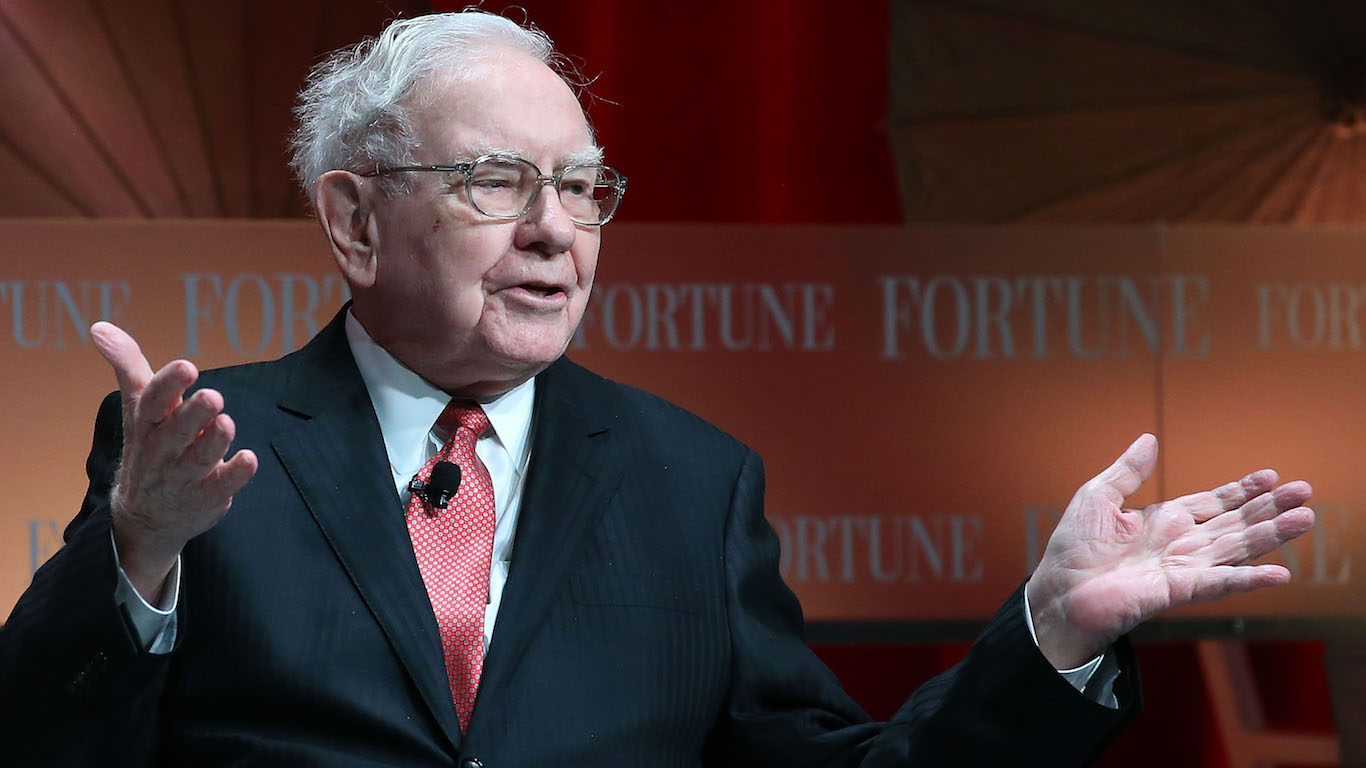
Ironically, Berkshire Hathaway (NYSE:BRK-B) held 400 million Coca-Cola shares as of June 30, 2026, according to its 13F filing for that date. Yet the simplest retirement instruction Warren Buffett ever put in writing points somewhere else entirely.
Buffett’s 90/10 Rule Applied to a $7 Million Portfolio
In his 2013 shareholder letter, Warren Buffett said the trustee for his wife’s inheritance should put 10% in short-term government bonds and 90% in a very low-cost S&P 500 index fund. Those were the only two holdings he named. We covered the same rule for an IRA saver in this recent breakdown.
A married couple filing jointly holds a $7 million portfolio. Under the rule, $6.3 million would go into the index fund and $700,000 into short-term Treasuries. At the latest 13-week bill yield of 4.21%, that Treasury allocation would earn about $29,470 a year.
The Coca-Cola holding complicates the picture. At today’s price it makes up roughly 14.5% of the portfolio. This creates concentration risk: one company’s earnings, one management team and one legal dispute carry an oversized share of the household’s wealth. Coca-Cola is already in the S&P 500, but an index fund holds it at index weight, which is far smaller than this couple’s position.
Hypothetical Couple’s Coca-Cola Numbers
The cost basis below is a sample, hypothetical figure. Plug in your own. The Coca-Cola Company’s year-end price table lists the stock’s 2006 close at $48.25. After the 2012 two-for-one split, that works out to $24.13 a share.
| Input | Value |
|---|---|
| Shares (estimated) | 10,309 |
| Sample cost basis | $248,700 |
| Gain at a $1 million value | $751,300 |
| Value at $98.35 | $1,013,890 |
| Holding-period gain at $98.35 | $765,190 |
About 75.5% of every dollar of sale proceeds is taxable gain, a ratio that drives every tax scenario below.
2026 Federal Tax Bill on a Full Sale
Long-term gains are taxed at 0%, 15% and 20% under 26 U.S.C. § 1(h)(1). For tax year 2026, the 0% band for joint filers covers taxable income up to $98,900, according to IRS Publication 505. Regular income such as dividends and pensions fills that band first, so a gain this large lands mostly in the 15% and 20% levels.
On the full $765,190 gain, a 15% rate works out to $114,779 and a 20% rate to $153,038. The real 2026 bill falls in between, depending on how much of the gain crosses into the top levels.
Then comes the net investment income tax. Under 26 U.S.C. § 1411(a)(1), it adds 3.8% on the smaller of net investment income or modified adjusted gross income above the threshold. For joint filers that threshold is $250,000, and the figure is written into the statute itself. Capital gains count as investment income under § 1411(c)(1)(A)(iii). In the worst case, the surtax on this gain would be about $29,077. State tax would come on top of that.
Five Paths, Each With a Different Price Tag
- Sell everything in 2026. This moves the couple fully to the 90/10 split before December 31, at the cost of the federal bill above, all in tax year 2026.
- Spread sales across 2026 and 2027. Selling half the shares in each year puts roughly $382,595 of gain on each return. The IRS released its 2027 adjustments on November 5, 2026. They raise the joint standard deduction to $33,200 and move the 24% ordinary bracket’s starting point to $218,250. Splitting the sale keeps more of the gain out of the 20% levels, but the shares left unsold stay exposed to the stock’s swings for another year.
- Move partway. Reducing the holding to $700,000 means selling about $313,890 of stock and realizing roughly $236,895 of gain in tax year 2026. That would leave Coca-Cola at Buffett’s 10% weight.
- Give appreciated shares to charity. Donated shares are never sold by the couple, so the gain on them is never taxed. The deduction for long-term stock given to a public charity is limited at 30% of the contribution base under 26 U.S.C. § 170(b)(1)(C)(i), and any excess carries forward (we walked through donor-advised funds, QCDs and appreciated-stock gifts in a free tax-smart giving guide).
- Hold some shares for heirs. Under 26 U.S.C. § 1014(a)(1), heirs receive a basis equal to fair market value at death, which wipes out the embedded gain. The 2026 basic estate exclusion of $15,000,000 sits well above this couple’s portfolio.
Income changes too. At the forward dividend of $2.12 a share, the position pays about $21,855 a year in qualified dividends. Coca-Cola raised its dividend for the 63rd consecutive year in 2025. Selling ends that income stream, and the Treasury and index-fund yields would have to replace it.
What to Watch Before December 31
Among the key dates, the next ex-dividend date is December 1, 2026, with payment on December 15. Any sale made by year-end counts toward tax year 2026.
Valuation is stretched compared with Coca-Cola’s own growth. The stock’s trailing earnings multiple is about 29, and its forward earnings multiple is about 28. The average analyst target of $98.43 sits almost exactly at the current price.

Management has also warned of challenges for 2027. The planned refranchising of Coca-Cola Beverages Africa is expected to cause an eight-point comparable net revenue challenges and a two-point comparable EPS challenges. The company is also awaiting a court decision in its IRS dispute.
On the other side of the ledger, the chief executive called the company’s approach an “all-weather strategy,” and the stock’s beta of 0.269 shows how calmly it has traded compared with the market.

Buffett’s 90/10 rule gives one clear target. Each path toward it carries a known 2026 or 2027 tax cost, and the couple’s own basis, income and plans for heirs and charity decide which cost they would rather pay.
Contact [email protected] for any questions or corrections.
Joel South covers large-cap stocks, dividend investing, and major market trends, with a focus on earnings analysis, valuation, and turning complex data into actionable insights for investors.
He brings more than 15 years of experience as an investor and financial journalist, including 12 years at The Motley Fool, where he served as an investment analyst, Bureau Chief, and later led the Fool.com investing news desk. He has also co-hosted an investing podcast and appeared across TV and radio discussing market trends.