Sam Altman Says It’s “Hard to Imagine the AI Revolution Without Jensen”

This post may contain links from our sponsors and affiliates, and Flywheel Publishing may receive compensation for actions taken through them.
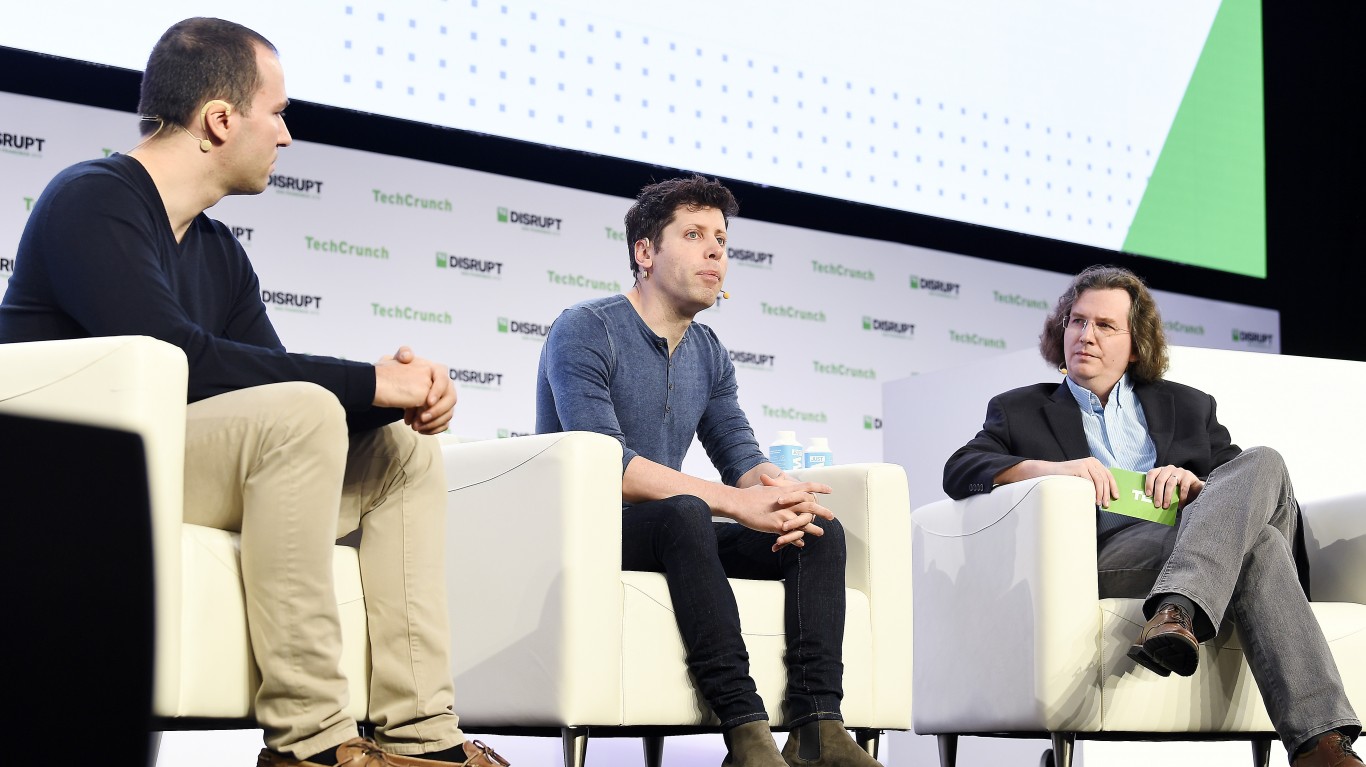
OpenAI’s chief executive, Sam Altman, said on November 16, 2026, that it is “hard to imagine the AI revolution without Jensen.” He spoke in an on-stage interview at a technology conference, four days after Jensen Huang resigned as president, CEO and director of NVIDIA (NASDAQ:NVDA | NVDA Price Prediction) on November 12, 2026.
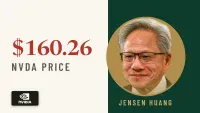
The stock fell despite the praise. NVIDIA closed at $156.14, down 4.12%, and traded at $155.60 after hours at 7:59 p.m. ET.
At the close, NVIDIA was worth $3.77 trillion, behind Apple (NASDAQ:AAPL) at $5.126 trillion and Microsoft (NASDAQ:MSFT) at $3.846 trillion. The shares have fallen 27.08% over the past month.

Altman’s comments matter beyond the tribute. OpenAI is NVIDIA’s biggest AI customer, and NVIDIA also backs it financially, so when Altman supports NVIDIA’s guarantees, he is also supporting the financing behind his own expansion.
What Altman Said
Altman credited the company Huang built and Huang’s vision, and he called Huang’s role extremely special and valuable. He also called Huang a hero of his and added that heroes have flaws.
When asked whether Huang should come back, Altman said he did not know enough to answer. The board is reviewing candidates for a permanent chief, and CFO Colette Kress is serving as interim CEO.
The AI industry will be fine without Huang because demand and revenue are growing strongly. That supports demand for NVIDIA’s chips. It also suggests Huang can be replaced, which undermines the case for paying extra for the stock because of its founder.
Only signed agreements bind the parties. The signed commitment is still the partnership in NVIDIA’s filing from November 19, 2025,[1] to deploy at least 10 gigawatts of NVIDIA systems for OpenAI.
A $105 Billion Guarantee Sits Behind the Praise
On August 17, 2026, reports said NVIDIA would guarantee up to $105 billion to help OpenAI lease SB Energy’s site in Pike County, Ohio. NVIDIA would also invest $1.5 billion in SB Energy.
The guarantee covers part of the lease and power payments, and it includes a promise that the site will keep a minimum value. NVIDIA pays only if OpenAI falls short or the site loses value. So far, no cash has gone out under the guarantee.
For scale, that cap sits beside a quarterly revenue consensus of $109.15 billion. NVIDIA’s August filing listed total guarantee obligations capped at $108.5 billion[2].
Investors give less credit to sales the seller helped finance because, in that case, NVIDIA’s own money helps pay for NVIDIA chips. The arrangement becomes safer if OpenAI pays from its own growing revenue and other tenants fill the site.
These Commitments Will Outlast Any CEO Search
The campus is planned at up to 8 gigawatts, and a first phase of 800 megawatts is expected to come online in 2028. That means the exposure runs for years after the board picks a new chief, and the power, cooling, and networking suppliers behind an expansion that size are their own investment story (we covered seven of them in a free AI infrastructure report).
Deals Huang signed are now in the hands of an interim CEO and a board. A permanent chief could honor future commitments, cap them, or reduce them. Altman called NVIDIA a giant whose guarantees people still trust very much, but he speaks for the party that gains most from that trust.
What to Watch in NVIDIA’s First Report Without Huang
NVIDIA reports after the close on November 17, 2026. It is the company’s first report without Huang, and Kress will lead the call. Consensus calls for EPS of $2.47, and NVIDIA’s own revenue guidance was $108.0 billion[2].
At 31 times earnings after the past month’s drop, the price likely already reflects some leadership risk. Altman’s view on demand also matches management’s August description of a supply-constrained[3] business.

On the call, listen for whether Kress puts numbers on contingent commitments and OpenAI concentration, and whether her guidance sounds confident. If the next quarterly filing shows the guarantee cap rising above $108.5 billion[2], the financing risk tied to OpenAI grows.

Contact [email protected] for any questions or corrections.
Omor Ibne Ehsan is a writer at 24/7 Wall St. He is a self-taught investor with a focus on growth, cyclical, and dividend equities that have strong fundamentals, value, and long-term potential. He also has an interest in high-risk, high-reward investments such as penny stocks.