Strip Centers Anchored by the Weekly Grocery Run: $90,000 Across These 3 Owners Pays $3,862 a Year

This post may contain links from our sponsors and affiliates, and Flywheel Publishing may receive compensation for actions taken through them.
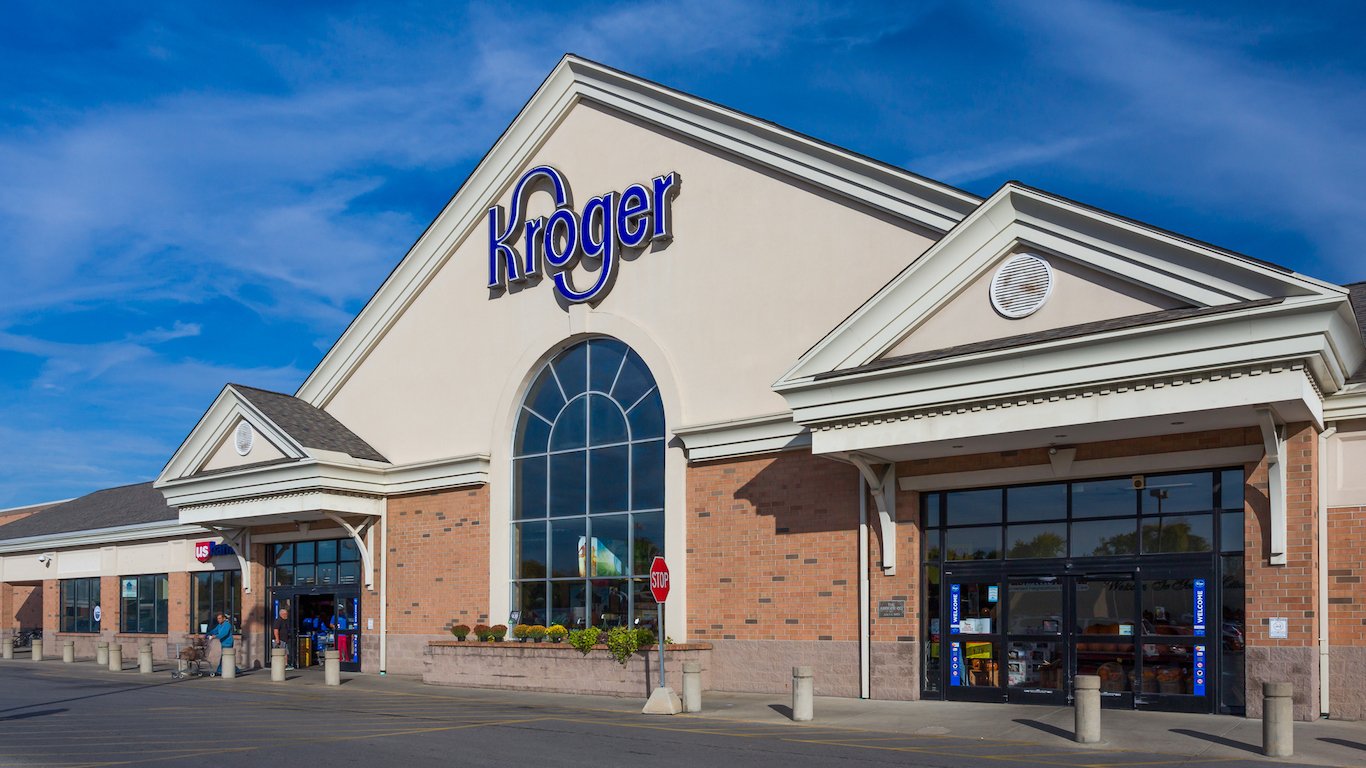
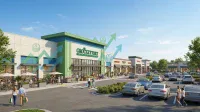
Groceries are one of the few purchases most households make every week, whether in strong economies or weak ones. That habit keeps strip centers busy, and landlords who own grocery-anchored open-air centers collect rent from the pharmacy, nail salon, and burrito shop next to the supermarket. For retirees who want their income tied to everyday spending, that rent stream is the draw.
Three real estate investment trusts in this niche pay quarterly dividends backed by record or near-record occupancy. A $30,000 stake in each, or $90,000 total, would generate about $3,862 in annual passive income at current forward yields. Below is what each position produces, from lowest yield to highest.
Regency Centers: Suburban Grocery Landlord With an A-Rated Balance Sheet
- Stock #3: Regency Centers (NASDAQ:REG)
- Yield: 4.18% (forward)
- Shares for $30,000: 391.75
- Annual Passive Income: ~$1,254
Regency owns 486 properties covering about 59.2 million square feet, mostly suburban centers anchored by grocers such as Publix, Whole Foods, Kroger and Albertsons. Like every REIT, it must distribute at least 90% of taxable income to shareholders, which is why its yield sits above the broader market.
Dividend coverage looks comfortable, as full-year Nareit FFO guidance was raised to $4.86 to $4.88[1] per share, against an annualized dividend of $3.20, roughly 66% of the FFO midpoint. The latest quarterly payout of $0.80[1] reflects a 6% increase, and the record shows quarterly distributions back to 1999, including one reduction in 2009. The risk to note is location: California and Florida account for 24.5% and 18.6% of base rent. Debt is rated A- by S&P.
Brixmor Property Group: Record Occupancy and a Pending Slate Acquisition
- Stock #2: Brixmor Property Group (NYSE:BRX)
- Yield: 4.34% (forward)
- Shares for $30,000: 986.52
- Annual Passive Income: ~$1,302
Brixmor owns 345 open-air centers across 29 states, leased to grocers and value retailers including TJX, Kroger, Ross and Publix. Total leased occupancy reached a record 95.6%[2], and new leases signed in the third quarter carried rent spreads of 42.6%.
On the dividend, Nareit FFO guidance of $2.36 to $2.38[2] per share compares with a $1.32 annualized payout, about 56% of the midpoint, the lowest ratio in the group. The quarterly rate rose 7.3%[2] to $0.33, payable January 15, 2027. The dividend was suspended in 2020 and reinstated at $0.215 per quarter later that year, before increasing in subsequent years. The main risk is execution on the Slate Grocery REIT acquisition, where Brixmor takes 23 properties for about $636 million plus joint venture stakes, with closing expected in the first quarter of 2027.
Kimco Realty: Biggest Portfolio and the Highest Yield of the Three
- Stock #1: Kimco Realty (NYSE:KIM)
- Yield: 4.35% (forward)
- Shares for $30,000: 1,165.95
- Annual Passive Income: ~$1,306
Kimco holds interests in 561 shopping centers and mixed-use assets totaling 99 million square feet, concentrated in first-ring suburbs, with anchors such as Publix, Walmart, Costco and Home Depot. Pro-rata leased occupancy hit a record 96.6%[3] in the third quarter.
FFO guidance was raised to $1.84 to $1.86[3] per share, against a $1.12 annualized dividend, about 61% of the midpoint. The $0.28[3] quarterly payment, up 7.7% year over year, is scheduled for December 18, 2026. Kimco cut its payout to $0.10 during 2020 and has only now returned to its pre-pandemic quarterly rate. Management also bought back $150M[3] of stock at an average of $23.81. One risk: GAAP net income was lifted by property sale gains, which rose $122.4 million year over year, so recurring FFO is the better measure of what funds the dividend.
Three Grocery Landlords, One Steady Income Stream
| Name | Yield | Annual Dividend Income |
|---|---|---|
| Regency Centers | 4.18% | $1,254 |
| Brixmor Property Group | 4.34% | $1,302 |
| Kimco Realty | 4.35% | $1,306 |
| Total | 4.29% | $3,862 |
Combined, these three positions produce $3,862 in annual income on a $90,000 investment, a blended yield of 4.29%. Kimco contributes $1,306, Brixmor adds $1,302, and Regency chips in $1,254.
The trio fits an investor who values a growing check over the highest possible yield, since each REIT raised its payout in recent quarters while keeping it near or below two-thirds of FFO. Occupancy at all three is at or near record levels, and that consistency is what lets retirees plan around quarterly deposits. The next data points to track are full-year results and Brixmor’s Slate closing in early 2027.
Contact [email protected] for any questions or corrections.
David Beren has been a Flywheel Publishing contributor since 2022. Writing for 24/7 Wall St. since 2023, David loves to write about topics of all shapes and sizes. As a technology expert, David focuses heavily on consumer electronics brands, automobiles, and general technology. He has previously written for LifeWire, formerly About.com. As a part-time freelance writer, David’s “day job” has been working on and leading social media for multiple Fortune 100 brands. David loves the flexibility of this field and its ability to reach customers exactly where they like to spend their time. Additionally, David previously published his own blog, TmoNews.com, which reached 3 million readers in its first year. In addition to freelance and social media work, David loves to spend time with his family and children and relive the glory days of video game consoles by playing any retro game console he can get his hands on.