Warren Buffett’s Berkshire Has Sold 84% of One Bank Stock in Six Months. Only 1.15 Million Shares Are Left

This post may contain links from our sponsors and affiliates, and Flywheel Publishing may receive compensation for actions taken through them.
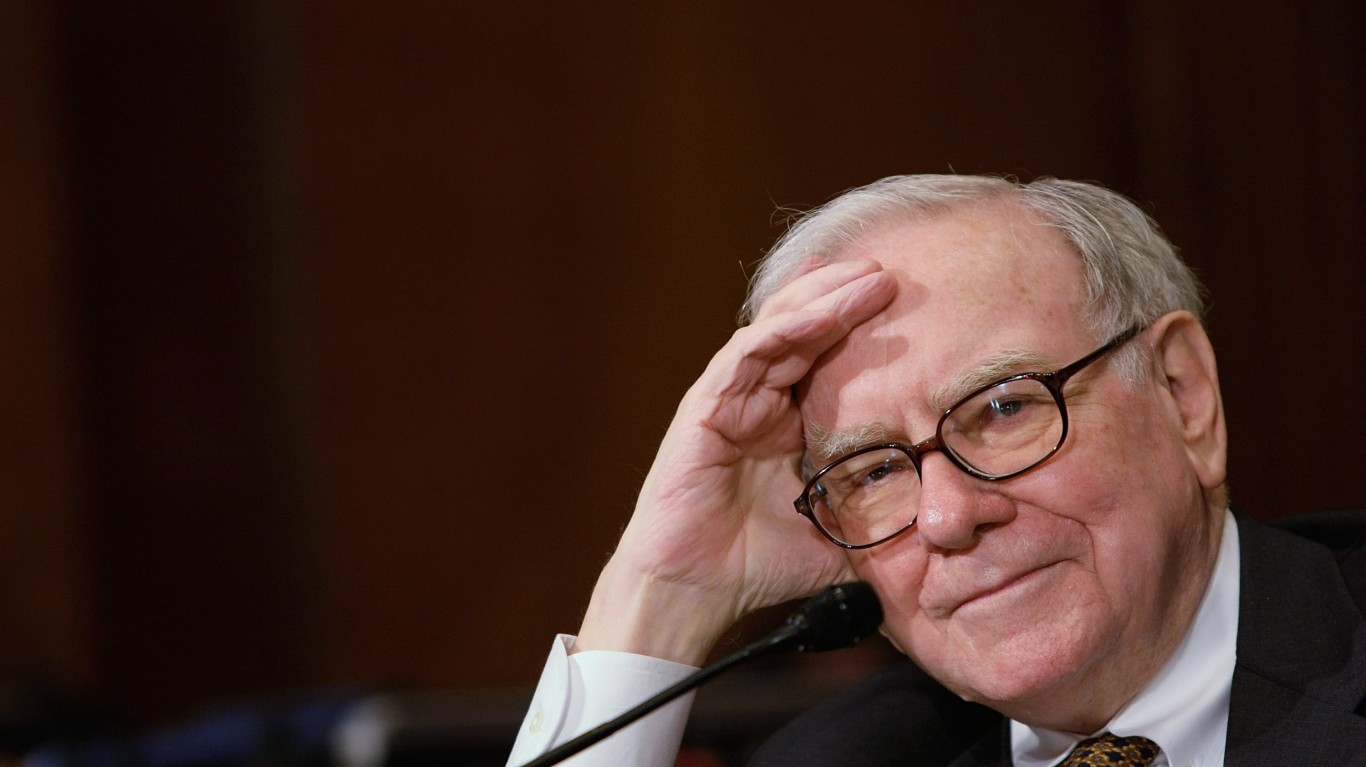
Berkshire Hathaway has sold most of its Capital One (NYSE: COF) stake in two quarters. The company's new 13F filing, released Monday, shows 1,150,000 shares on September 30. On March 31 it held 7,150,000.
The numbers
In the second quarter Berkshire cut the stake from 7,150,000 shares to 3,000,000. In the third quarter it cut again, to 1,150,000, a drop of 61.7%. Over six months, 6,000,000 shares were sold, 83.9% of the position.
At Capital One's September 30 price of $193.07, the 1,850,000 shares sold in the third quarter were worth about $357 million.
What is left
The remaining shares were worth $222 million on September 30, 0.07% of the $304.20 billion of stocks in the filing. Capital One closed at $193.25 on Monday, which puts the stake at about $222 million.
Capital One was not the only bank Berkshire sold. It cut Bank of America by 5.7% in the quarter, to 455,860,908 shares, a sale worth about $1.50 billion. Its American Express stake did not change.
What the filing does not show
A 13F shows holdings on the last day of the quarter, in this case September 30. Berkshire filed it on Monday, November 16, about seven weeks later, and it says nothing about what the company has done since.
Greg Abel has run Berkshire as chief executive since the start of 2026. Warren Buffett stepped down as CEO at the end of 2025. The filing does not say who made each trade.
Contact [email protected] for any questions or corrections.
I've spent more than 15 years inside enterprise software, working alongside the finance, sales operations, and HR leaders who run the revenue engines at some of the largest tech companies in the country.
My day job is helping enterprise executives make smarter decisions about retention, compensation, and growth. These are the same operational levers that show up in every earnings report investors actually read. That perspective shapes my writing for 24/7 Wall St.
The headline numbers are easy. The interesting stuff is underneath: how companies make money, what executives are worried about, and what any of it means for the person checking their 401(k) on a Sunday afternoon. I write about personal finance and business as someone who has spent her career inside the rooms where these decisions get made.