Microsoft Is Making Voluntary Exit Offers to Engineers for the First Time

This post may contain links from our sponsors and affiliates, and Flywheel Publishing may receive compensation for actions taken through them.
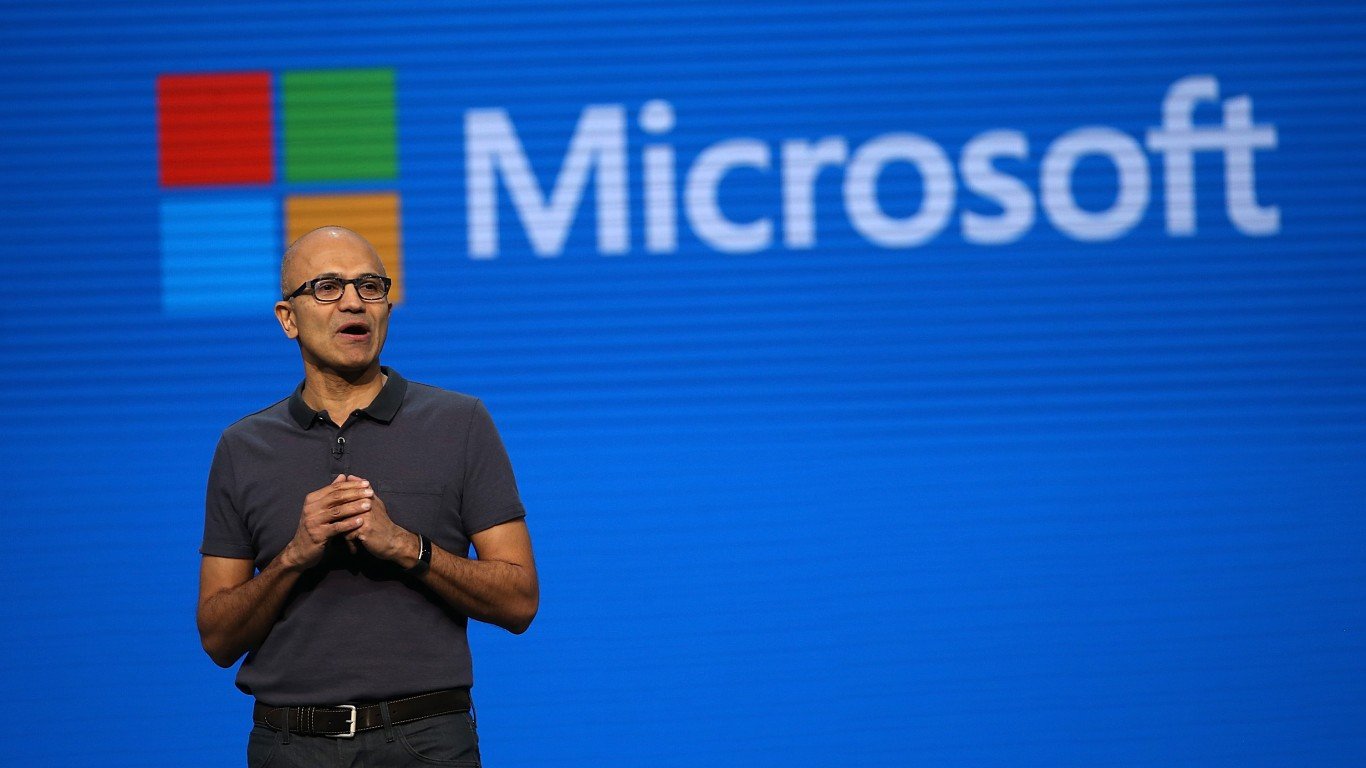
On Monday, engineering newsletter writer Gergely Orosz published an interview in which he asked Microsoft (NASDAQ:MSFT | MSFT Price Prediction) CEO Satya Nadella why the company had made voluntary exit offers to most of its software engineers. Orosz calls the offers a first in Microsoft’s history.
Microsoft announced the offer on October 26, 2026. What changed on November 16 is Orosz’s claim about how far it reaches and Nadella’s first public comments on it.
The stock closed at $517.99, down 1.12%, then traded at $519.29 at 7:59 p.m. ET. Microsoft is cutting its engineering staff while it spends record sums on AI infrastructure. As a shareholder, you have to decide whether that trade protects margins or weakens product quality and the pipeline of future senior engineers.

What Microsoft Has Actually Committed To
Chief People Officer Amy Coleman opened the offer to employees at level 70 and below on participating teams in the U.S., Canada, India, and the U.K., with financial support and career planning help.
Microsoft confirmed that about 60,000 people are eligible, which is roughly a quarter of its 223,000 employees. There is no age or tenure test. Eligible staff will be decided by early December, and anyone who accepts will leave on December 31.
The company’s own announcement said, “The Voluntary Exit Offer is new for us.” Microsoft has not confirmed that most software engineers qualify, and it has not published a list of participating teams. It also says the offer does not replace layoffs.
Nadella’s answer was diplomatic. He described the offers as a way to give employees more agency, and he did not say whether layoffs could follow.
Why Microsoft Chose Buyouts Before Layoffs
A voluntary exit lowers payroll without the severance disputes and morale damage of forced cuts. On the October 28 call, Chief Financial Officer Amy Hood said, “Our cost guidance across both COGS and OpEx includes an estimate for the recently announced employee voluntary exit offer.”[1] COGS is the cost of goods sold, and OpEx is operating expenses.
The risk is who takes the money. The best engineers usually have the most outside options, so they are often the first to leave.
The spring Voluntary Retirement Program reached about 8,750 U.S. employees whose age plus years of service reached 70, and more than 30% of them accepted. Microsoft then cut about 4,800 jobs on July 6, 2026, or about 2.1% of its workforce. It expects far fewer people to accept the new offer.
AI Spending Is Competing With Headcount
September-quarter capital spending, including finance leases, was $45.2 billion, up about 30%, most of it flowing to the power, cooling and networking suppliers behind the data-center expansion (we covered seven of those names in a free report). Revenue guidance for the December quarter is $96 billion to $97.1 billion. Operating expenses are guided to grow 9%[1], so payroll and other operating costs are rising much more slowly than infrastructure spending.
Nadella linked slower hiring of junior engineers and new graduates to teams rethinking their size and roles and weighing people against AI token budgets, which are what teams pay to run AI models. He expects the slowdown to be temporary.
If junior hiring picks back up once teams finish reorganizing, Nadella will be proven right. If it stays slow, Microsoft will have fewer engineers ready to step into senior roles later.
Orosz reads it differently. He expects big reorganizations, smaller teams and new AI groups, and he thinks engineers on teams with little AI work may be pushed toward the exit.
Reliability Is the Counterweight
The interview was recorded hours before a day-long Outlook outage. Microsoft’s preliminary report faults a defect in a July 2026 change to its network gateway servers.
No evidence links the offers to the outage. It still shows how much one bad code change can cost a company that is reducing the number of experienced engineers who review that code.
What Could Change the Outlook for Microsoft
The offer is voluntary and already built into cost guidance. Microsoft also guided Azure growth of 49% to 50%[1] in constant currency while customer demand still exceeds supply.
The stock trades at a P/E of 29. Microsoft’s market value is $3.85 trillion, ahead of NVIDIA (NASDAQ:NVDA) at $3.77 trillion and behind Apple (NASDAQ:AAPL) at $5.13 trillion.

This view is wrong if layoffs follow the December 31 departures, or if the next earnings report shows operating expenses growing faster than the guided 9% and more outages. Microsoft has not set a date for that report.

Contact [email protected] for any questions or corrections.
Omor Ibne Ehsan is a writer at 24/7 Wall St. He is a self-taught investor with a focus on growth, cyclical, and dividend equities that have strong fundamentals, value, and long-term potential. He also has an interest in high-risk, high-reward investments such as penny stocks.