Billionaire David Tepper Grew His SpaceX Stake 17-Fold While Dumping AMD and Broadcom

This post may contain links from our sponsors and affiliates, and Flywheel Publishing may receive compensation for actions taken through them.
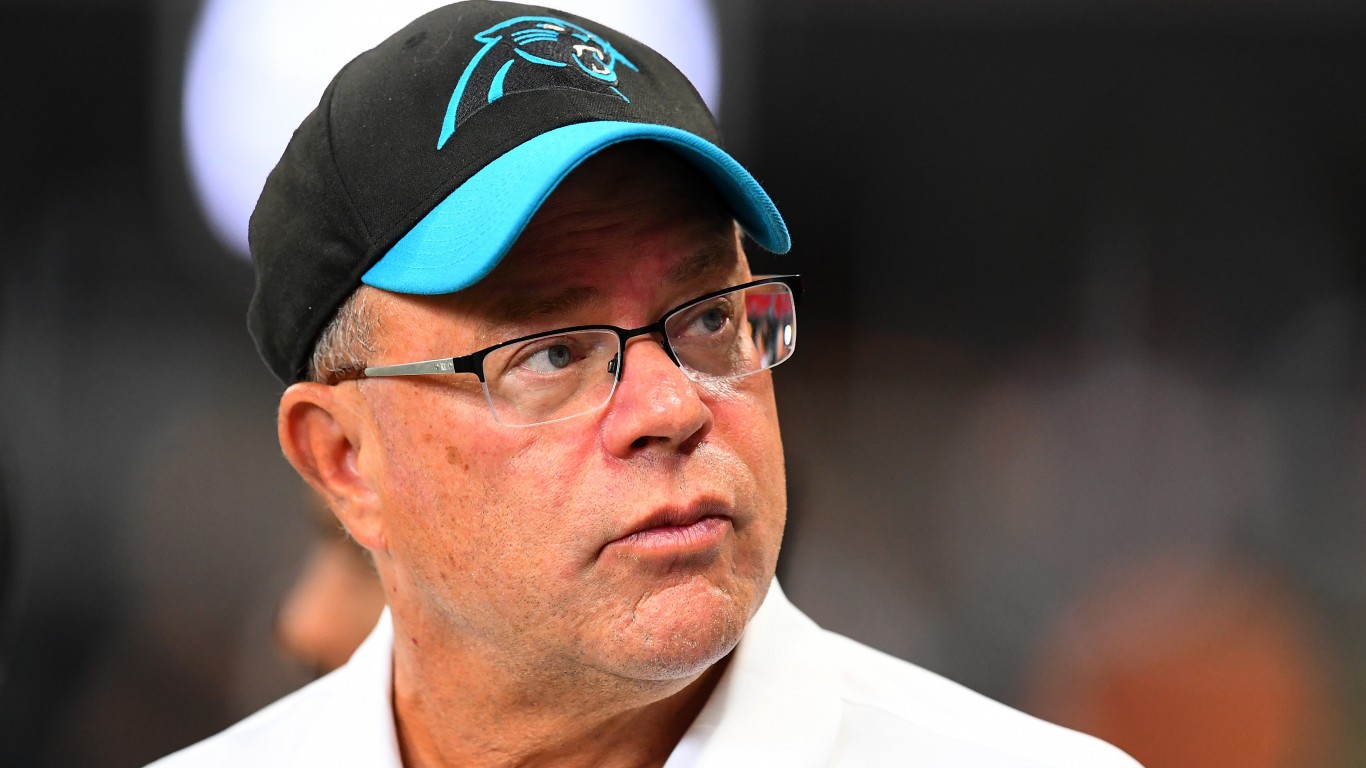
Appaloosa, the fund led by David Tepper, expanded its SpaceX (NASDAQ:SPCX | SPCX Price Prediction) stake from 225,000 shares on June 30 to 3,883,329[1] shares on Sept. 30. That disclosure comes from a 13F filed on November 16, 2026. By share count, the position ended the quarter at 17.26x its June size, which means Appaloosa added 16.26x its starting stake. In the same quarter, the fund fully sold off Advanced Micro Devices (NASDAQ:AMD) by selling 197,500 shares and Broadcom (NASDAQ:AVGO) by selling 150,000 shares.

A Starter Stake Became a Top-Four Holding in One Quarter
At quarter-end, the SpaceX stake was worth $556,547,062, or 7.4% of Appaloosa’s reported 13F portfolio. Only three holdings were larger: Micron Technology (NASDAQ:MU) at $1,331,387,500, Amazon (NASDAQ:AMZN) at $1,114,946,250, and TSMC at $718,499,250.
The 17-fold figure measures shares owned. SpaceX shares fell 11.71% over the quarter, from $170.86 to $150.86. Other funds were adding, too. Of the 23 tracked filers that reported SpaceX at Sept. 30, 15 were buyers.

A 13F is a quarter-end summary filed about 45 days later that leaves out when shares changed hands, what Tepper paid, and what he owns today. The dollar amounts above reflect quarter-end market values.
SpaceX’s Growth Explains the Appeal
SpaceX’s third-quarter results show why investors are interested. Revenue reached $14.60B[2], beating the $13.02B consensus. GAAP net income came in at $4.40B[2], compared with a $1.10B net loss a year earlier.
The AI Solutions & Infrastructure division brought in $7.56B[2], up 830% (the same data-center expansion feeds the suppliers of electrical systems, thermal management, and networking gear we profiled in a free AI infrastructure report). Connectivity rose 69%[2] to $5.20B, and Starlink reached 13.6 million consumer subscribers.
The risks are large. In the third quarter, share-based compensation tied to the Cursor acquisition was $1.2B[2], and another $23.4B is linked to post-acquisition service. Capital spending needs add further uncertainty.
AMD and Broadcom Exits Came Despite Strong Results
The filing does not say why Tepper sold either stock, and the sales should not be read as funding for the SpaceX purchase. Both companies are growing fast. AMD’s third-quarter revenue rose 44.7%[3] to $13.38B, and Data Center sales rose 97%. However, free cash flow fell 70.9%[3], and the stock trades at about 191 times earnings. Broadcom’s AI semiconductor revenue rose 221%[4] to $16.70B, and free cash flow was $13.67B. Broadcom shares fell 6.86% during the quarter, while AMD rose 5.31%.
Is the Tepper Trade Worth Following for Retirement Portfolios?
Tepper’s move is worth studying as one data point for retirement investors. A position that grows to 7.4% of a concentrated portfolio within one quarter signals real conviction. SpaceX’s results back it up: the company turned to a large profit while its AI and Starlink businesses grew quickly.
Still, SpaceX carries a market value of about $1.9 trillion after a 2026 IPO. Its compensation costs and spending needs are hard to predict, and Tepper can also sell before the next 13F shows it. For investors who need steady, predictable returns, SpaceX’s volatility and unpredictable costs are key factors to research. The thesis deserves attention as a research case.
Contact [email protected] for any questions or corrections.
David Beren has been a Flywheel Publishing contributor since 2022. Writing for 24/7 Wall St. since 2023, David loves to write about topics of all shapes and sizes. As a technology expert, David focuses heavily on consumer electronics brands, automobiles, and general technology. He has previously written for LifeWire, formerly About.com. As a part-time freelance writer, David’s “day job” has been working on and leading social media for multiple Fortune 100 brands. David loves the flexibility of this field and its ability to reach customers exactly where they like to spend their time. Additionally, David previously published his own blog, TmoNews.com, which reached 3 million readers in its first year. In addition to freelance and social media work, David loves to spend time with his family and children and relive the glory days of video game consoles by playing any retro game console he can get his hands on.