Democrats Swept Congress. Could Elon Musk’s SpaceX Be Nationalized After the 2028 Election?

This post may contain links from our sponsors and affiliates, and Flywheel Publishing may receive compensation for actions taken through them.
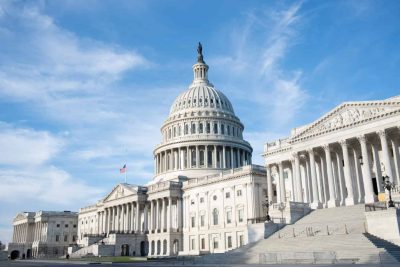
Elections have consequences for investors, but some take longer to emerge than others. Democrats’ sweeping victory in the November midterms gives them control of both houses of Congress beginning in January, dramatically changing Washington’s political landscape. President Donald Trump still holds the veto pen, however, limiting how far the new majority can go.
That balance could change again in 2028, when voters choose the next president. For companies dependent on federal contracts and regulatory approvals, the stakes extend well beyond the next two years. Elon Musk’s SpaceX (NASDAQ:SPCX | SPCX Price Prediction) may be about to discover just how much political risk can matter.
A $2 Trillion Company in Washington’s Crosshairs
Former Labor Secretary Robert Reich wants Democrats to nationalize SpaceX and its Starlink satellite network, effectively transferring private assets into government ownership.
Reich, who served under President Bill Clinton from 1993 to 1997, originally floated the proposal in October. Following the Democratic election victory, he renewed his demands for congressional investigations into Musk’s influence over government operations and national security.
The timing is important. Democrats have already demonstrated how their congressional victory could reshape investment expectations, particularly for companies whose businesses intersect with federal policy.
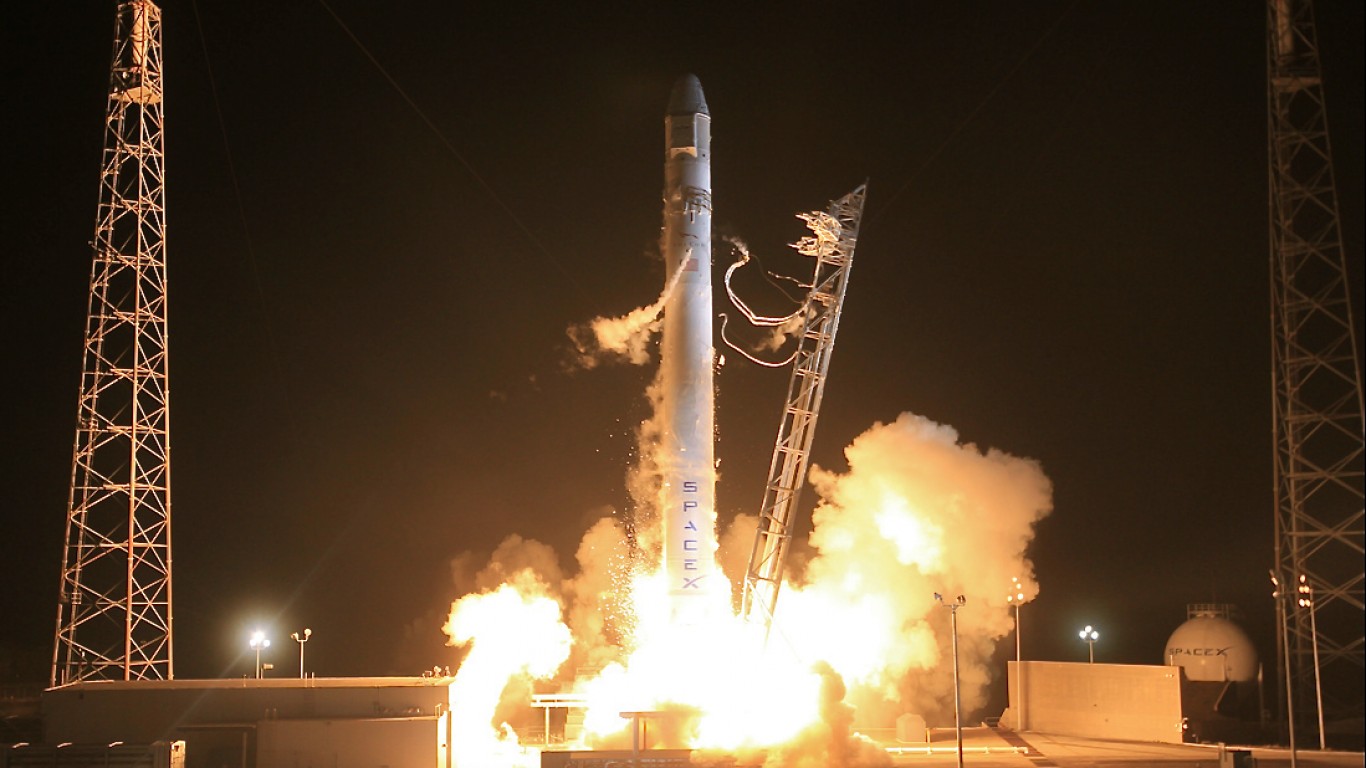
SpaceX is an especially tempting political target because of its size and importance. The company went public in June at $135 per share, raising approximately $86 billion. Its market capitalization subsequently approached $2 trillion, making it one of America’s most valuable businesses.
Yet SpaceX isn’t simply a rocket manufacturer. Its Starlink and Starshield operations provide communications infrastructure with military and national security applications. Its expanding artificial intelligence business adds another layer of economic importance.
In the third quarter, SpaceX generated $14.6 billion in revenue and $4.4 billion in GAAP net income, reversing a $1.1 billion loss a year earlier.
Those numbers help explain why investors should care about even a remote possibility of government intervention.
Could Democrats Actually Nationalize SpaceX?
Let’s separate what Democrats can accomplish in 2027 from what might become possible after the 2028 presidential election.
The party’s congressional position strengthened further when Mary Peltola defeated Republican Sen. Dan Sullivan in Alaska. According to the Associated Press, her victory gives Democrats a 56–44 Senate majority after flipping nine Republican-held seats — their largest midterm gain since 1958.
That’s enough to control committees, conduct investigations, and advance legislation through much of the legislative process. What it isn’t enough for is overriding Trump’s veto.
Overriding a presidential veto generally requires two-thirds support in both chambers. In a full Senate, that’s 67 votes — 11 more than Democrats will hold.
Ordinary legislation also faces the Senate’s 60-vote cloture threshold, assuming the filibuster remains intact.
A Democratic presidential victory in November 2028 could remove the veto obstacle when a new administration takes office in January 2029. But Democrats would still need sufficient congressional support, and nationalization would face constitutional challenges.
The Fifth Amendment requires just compensation when the government takes private property for public use. Acquiring a company valued near $2 trillion would raise extraordinary questions about financing, valuation, and shareholder rights.
Importantly, Reich is advocating nationalization. There is no identified congressional bill establishing a takeover plan or evidence that Democratic leaders have embraced his proposal.
Why SpaceX Investors Should Pay Attention Anyway
Ironically, the government’s dependence on SpaceX may provide shareholders with some protection.
NASA recently included SpaceX among eight companies eligible to compete for up to $10 billion in lunar delivery contracts. The Pentagon also relies on satellite capabilities that aren’t easily replaced. Nationalizing such a business could disrupt the very services Washington needs.
Meanwhile, SpaceX’s commercial operations continue expanding. Its artificial intelligence division generated approximately $7.6 billion in third-quarter revenue, exceeding Starlink’s $5.2 billion. The company is also pursuing a $24 billion power-generation and supercomputing project in Texas.
These businesses create opportunities independent of Washington’s political arguments, although they also introduce new regulatory risks.
Key Takeaway
In short, SpaceX nationalization is politically conceivable but remains a remote investment risk, not an impending government takeover. Trump’s veto power, congressional voting requirements, and constitutional protections create formidable obstacles. Even a Democratic presidential victory in 2028 wouldn’t automatically eliminate them.
For SpaceX shareholders, the more immediate risks involve government investigations, contract decisions, and regulatory restrictions that could affect profitability long before anyone attempts nationalization.
Investors should monitor those developments while keeping their attention on revenue growth, earnings, and capital spending. Political headlines can move stock prices, but the company’s operating performance will ultimately determine whether its $2 trillion valuation holds up.
Contact [email protected] for any questions or corrections.
After two decades of patrolling the dark corners of suburbia as a police officer, Rich Duprey hung up his badge and gun to begin writing full time about stocks and investing. For the past 20 years, he’s been cruising the markets looking for companies to lock up as long-term holdings in a portfolio while writing extensively on the broad sectors of consumer goods, technology, and industrials. Because his experience isn’t from the typical financial analyst track, Rich is able to break down complex topics into understandable and useful action points for the average investor. His writings have appeared on The Motley Fool, InvestorPlace, Yahoo! Finance, Money Morning, and, of course, 24/7 Wall St. He has been featured in both U.S. and international publications, including MarketWatch, Financial Times, Forbes, Fast Company, and USA Today.