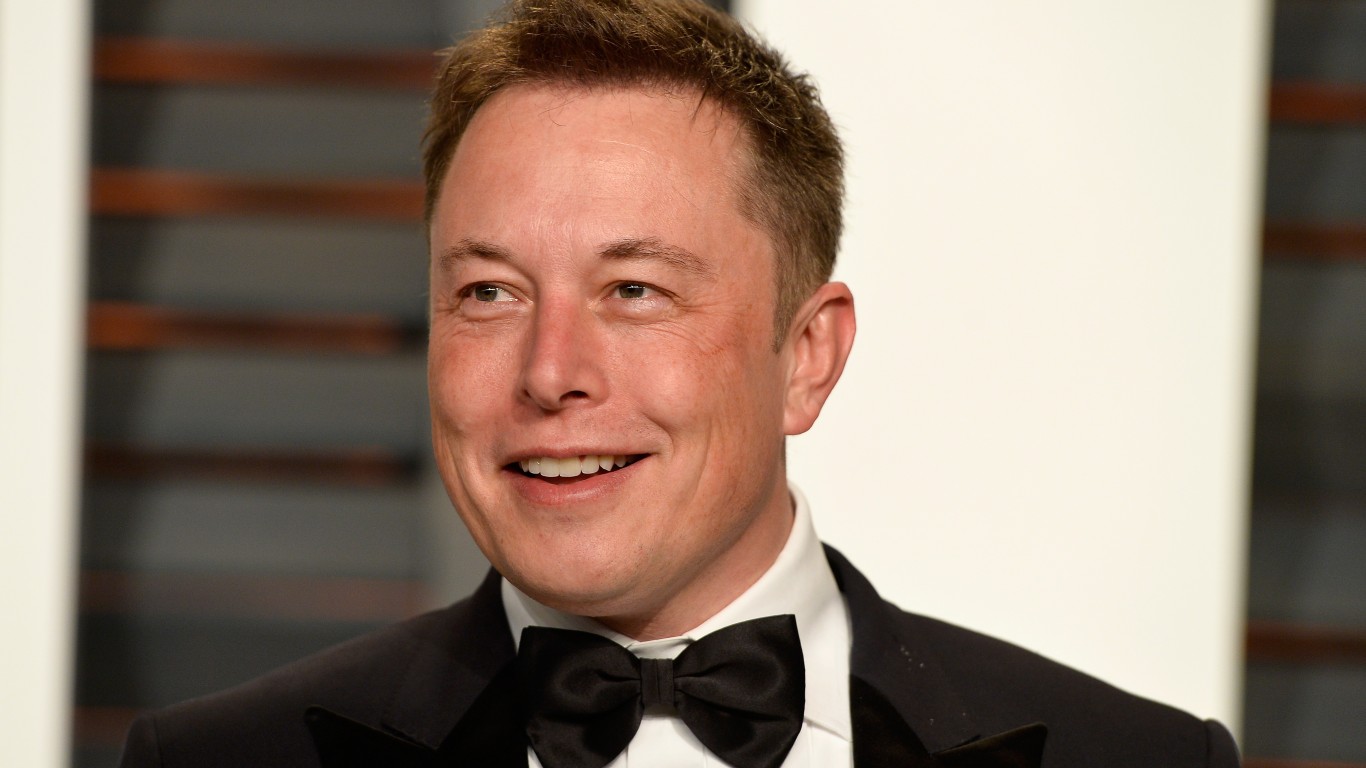
SpaceX Declines 6%, Tesla Falls 5% as Democratic Sweep Raises Merger and Regulatory Risks; General Motors Rises 2%
A Democratic sweep of Congress is hitting Elon Musk's companies in ways that have nothing to do with earnings, and legacy automakers are quietly benefiting as investors reassess who carries the political risk in a potential trillion-dollar merger.

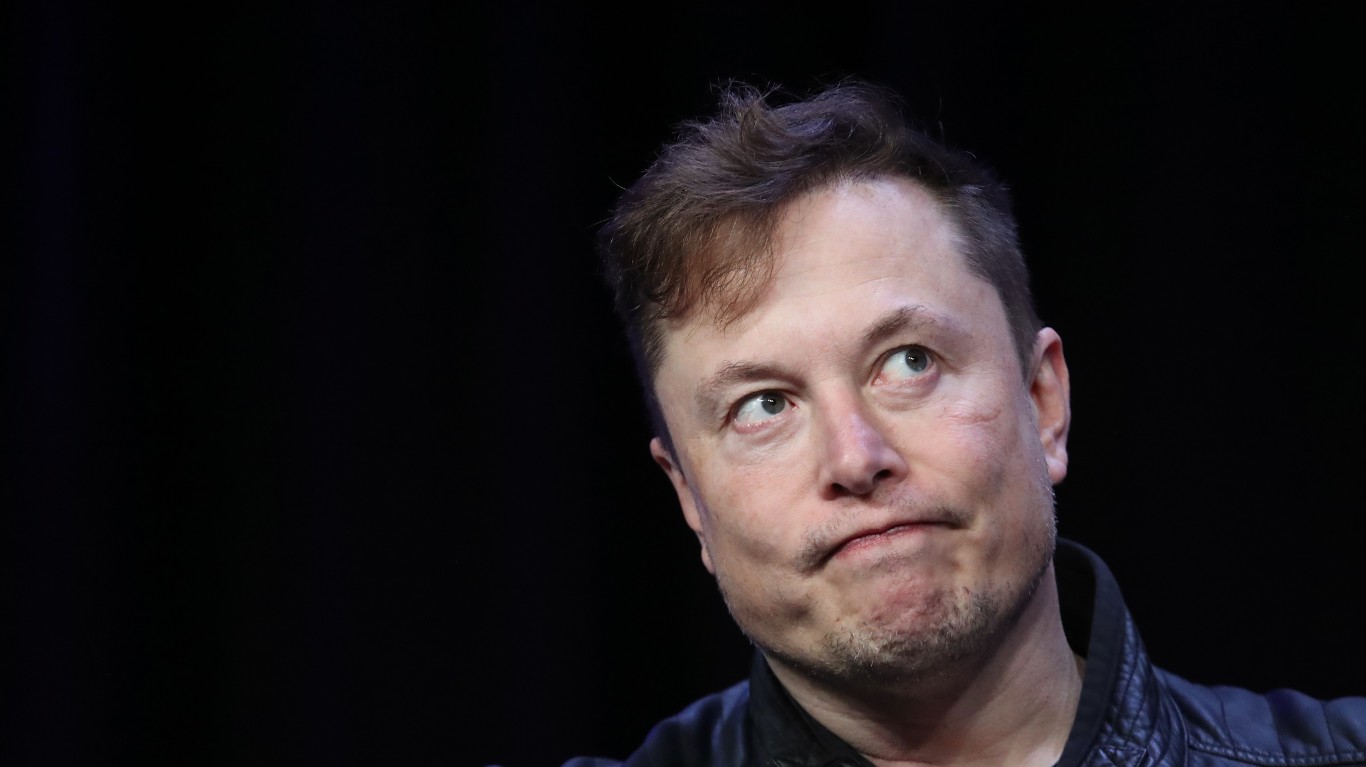
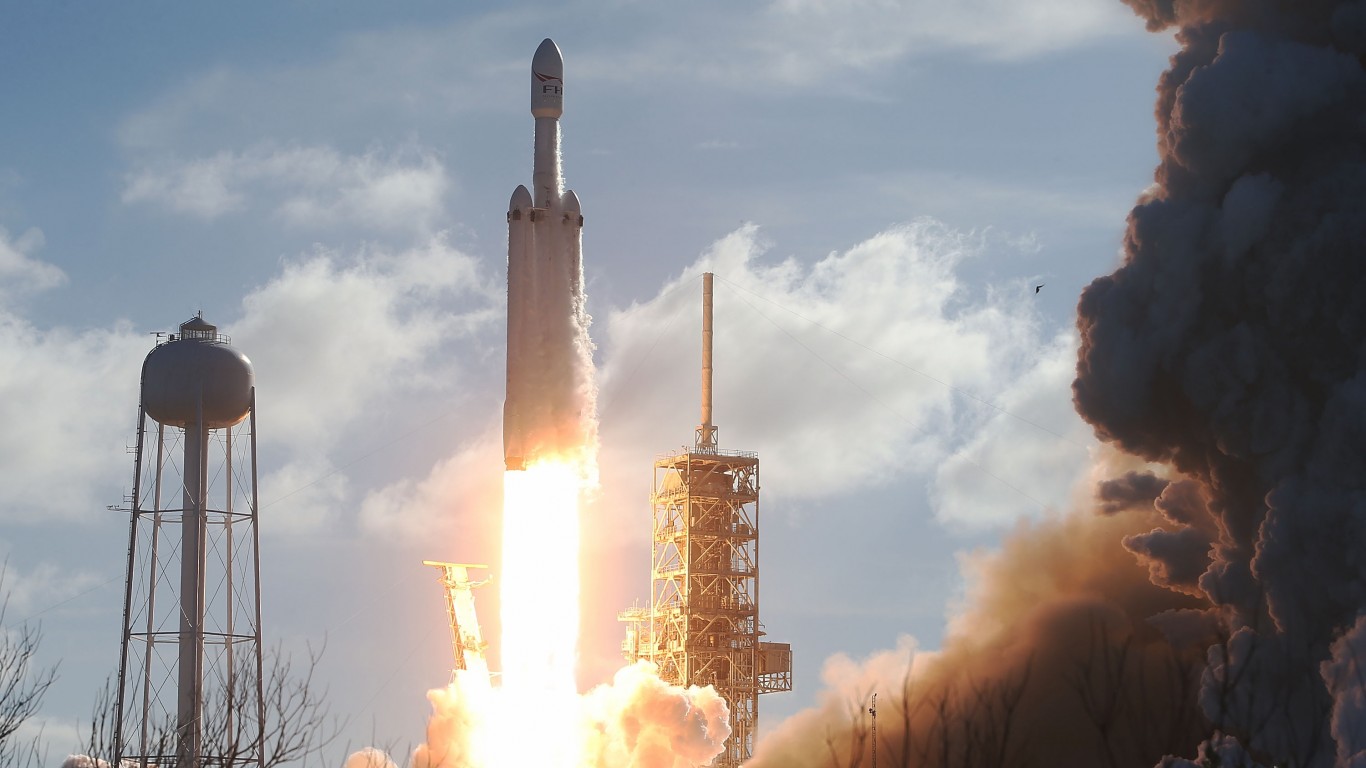
Democrats’ projected sweep of Congress is hitting two trillion-dollar companies that rarely trade as a pair. SpaceX (NASDAQ:SPCX | SPCX Price Prediction) stock is at $133.03, down 6% in morning trading. That’s a drop from SpaceX’s $141.31 close in the prior session.
Tesla (NASDAQ:TSLA) stock is at $378.20, down 5%. The prior session ended with Tesla at $398.50. Both companies are tied to Tesla CEO Elon Musk, who founded SpaceX and is at the center of the political risk.
Legacy automakers are moving the other way, pointing the selling directly at Musk’s political exposure. Shares of General Motors (NYSE:GM) are at $89.90, up 2%. Meanwhile, Ford Motor (NYSE:F) stock is at $12.51, also up 2%.
Why Democrats’ Midterm Win Is Weighing on Tesla and SpaceX
Democrats were projected to win control of both the House and Senate in the November 3 midterm elections, Bloomberg reported, citing Decision Desk HQ projections. According to Bloomberg, Tesla and SpaceX first slid after the close when Senator Jon Ossoff was projected to win reelection in Georgia, and the selling grew as Democratic gains firmed up. Musk poured nearly $450 million into Republican coffers ahead of the vote, Bloomberg noted.
Vikram Rai of First New York framed the risk for Bloomberg: “Both of these stocks have major headline risk if we get a blue sweep.” Rai said empowered Democrats may be able to slow a Tesla and SpaceX deal, even though Congress lacks the power to end it single-handedly.
Tesla and SpaceX Merger Push Meets a Blue Congress
Bloomberg reported, citing people familiar with the matter, a push to announce a Tesla and SpaceX deal by the first half of 2027 so it can close while President Trump is in office. Talks remain in an exploratory phase, according to Bloomberg. Prediction-market pricing puts the probability of an official merger announcement by June 30, 2027, at 57.5%.
Barclays estimates Musk would control 56% of the voting rights in a combined Tesla and SpaceX entity. That analysis from Barclays puts Musk’s share of outstanding shares at 37%, a gap lawmakers could examine closely.
SpaceX and Tesla Each Face Their Own Pressure Points
SpaceX could face more examination of its national security work and government contracts. In Texas, Democrat Gina Hinojosa defeated Governor Greg Abbott and has called for a moratorium on new data center development, after which Musk said orbital data centers were looking “pretty appealing right now,” in response. More than one billion SpaceX shares became eligible for sale in late October after initial public offering (IPO) restrictions expired.
With its June IPO behind it, SpaceX carries a $1.9 trillion market valuation, according to Bloomberg. Morgan Stanley analyst Adam Jonas projects the company could reach positive free cash flow by 2031, earlier than the firm’s previous model.
Tesla shares have rallied 34% since their late-July low, according to Bloomberg, a run that leaves room for profit taking. A Democratic Congress could bring added examination of Tesla’s autonomous driving operations.
General Motors and Ford Trade Opposite the Musk Stocks
General Motors stock has climbed 12% over the past week. SpaceX stock has dropped 12% over the same stretch, a split that shows investors separating Musk’s political exposure from the auto group.
Legacy auto businesses at General Motors and Ford rest on trucks, dealer networks and dividends. Tesla pairs its electric vehicles with autonomy, robotics and energy storage, while SpaceX covers rocket launches, Starlink connectivity and artificial intelligence (AI).
What a Blue Washington Means for the Musk Merger Push
Major U.S. stock indexes pointed higher on the election results, so Tesla and SpaceX are moving against the broader market. Nationwide’s Mark Hackett told Bloomberg, “Ahead of elections, narratives and emotion are significant factors, but once they are behind us, fundamentals and reality take control.”
Tesla and SpaceX now face the question of whether empowered Democrats slow the merger timeline. SpaceX’s AI and Starlink growth gives the bulls a fundamental case, and merger talks still point toward an announcement by mid-2027. The bears see longer congressional reviews and newly released SpaceX shares adding pressure. Market participants may want to limit their SPCX and TSLA stock exposure until the merger question resolves.
Contact [email protected] for any questions or corrections.
David Moadel is financial writer specializing in stocks, ETFs, options, precious metals, and Bitcoin. David has written well over 1,000 articles for leading online publications, helping investors understand markets, income strategies, and risk.His work has appeared in The Motley Fool, InvestorPlace, U.S. News & World Report, TipRanks, ValueWalk, Benzinga, Market Realist, TalkMarkets, Finmasters, 24/7 Wall St., and others.With a master’s degree in education, David has taught at the elementary, high school, and college levels. That teaching background shapes his writing style: clear, educational, and practical. David has also built a loyal social-media audience by providing trustworthy financial content on YouTube, X/Twitter, and StockTwits.