Nvidia Just Said Demand Far Exceeds Supply. Oracle, 65% Below Its Peak, Still Trades Where It Sold $10 Billion of Stock

This post may contain links from our sponsors and affiliates, and Flywheel Publishing may receive compensation for actions taken through them.
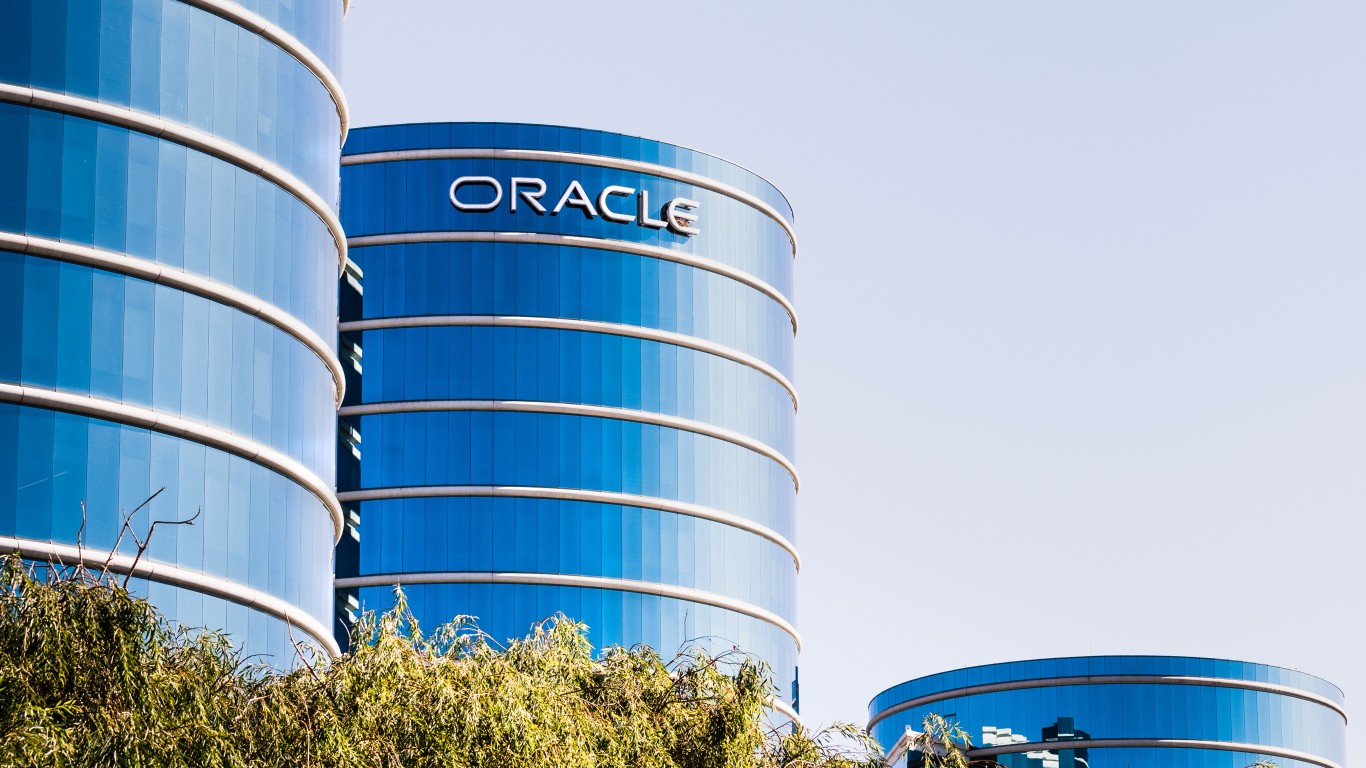
Oracle (NYSE: ORCL) closed at $115.00 on Tuesday, 65% below its peak of $328.33 on Sept. 10, 2025, one cent above the lowest close of the whole slide and a dollar under the $116 at which it sold $10 billion of new shares two weeks ago. Nvidia’s report after the bell lifted it about 2.1% in pre-market trading on Wednesday, to $117.46 at 6:50 AM Eastern.
A fall that deep is rare for this company. In 27 years of daily prices, Oracle has lost more than half its value from a high only twice. The first time began in September 2000, at the top of the dot-com boom: the stock dropped 84% by June 2002 and did not close above its 2000 peak again until June 2017, a wait of nearly 17 years before counting dividends. Every other setback since, including a 41% drop in 2022, was made up within a year and a half.
That record reads as a warning that a stock this far below its high can stay there for many years; it is also a single precedent from the top of a bubble, when Oracle had no cloud business and nothing like today’s $664 billion of contracted work, so it counts as a caution about price and no more.
One holder’s numbers
Take a 68-year-old retired engineer, single, who bought 2,000 Oracle shares on Nov. 17, 2016, at $40.25, an $80,500 purchase, and holds $1,000,000 in an IRA besides. Her Oracle was worth $656,660 at the peak and $230,000 on Tuesday, a $426,660 drop that still leaves a $149,500 gain. Oracle is 18.7% of her $1,230,000, and a 10% day in the stock moves her by $23,000.
The precedent above argues for trimming rather than waiting. Selling 1,000 shares brings $115,000 and a $74,750 gain, taxed at the 15% federal rate that applies to a single filer with taxable income up to $545,500 in 2026 under Rev. Proc. 2025-32: $11,212, plus any state tax. After the sale Oracle is 9.4% of what she has, and a repeat of the 65% fall would cost her $74,750 instead of $149,500. The case for waiting rests on the December report. Oracle’s next quarter, due around Dec. 9, will show whether the backlog is turning into revenue as fast as the capital is going out.
What Oracle has riding on it
Oracle’s remaining performance obligations, the contracts it has signed but not yet billed, stood at $664 billion on Aug. 31, up $209 billion in a year. The Wall Street Journal reported last year, and OpenAI confirmed, a contract worth about $300 billion over five years, about $60 billion a year starting in 2027 and about 45% of the backlog.
Building for it costs money Oracle does not yet have. Capital spending was $28.5 billion in the August quarter against $23 billion of operating cash flow, and free cash flow was negative $5.4 billion. The company expects to spend $90 billion to $95 billion on capital this fiscal year. It sold $20 billion of stock through an at-the-market program during the quarter, and on Nov. 2 it sold another 86.2 million shares at $116 apiece, $10 billion of stock that enlarged the share count by 2.8%, plus $10 billion of notes with coupons from 7% on bonds due 2029 to 8.65% on bonds due 2046. The average coupon is 7.77%, about $777 million of interest a year. In June, Oracle had said it did not expect to issue more debt in calendar 2026.
The $116 sale price is the line the stock has not left. It closed $1 under it on Tuesday and sat about $1 over it before Wednesday’s open. Investors who bought the offering two weeks ago are up less than 2%.
What Nvidia said last night
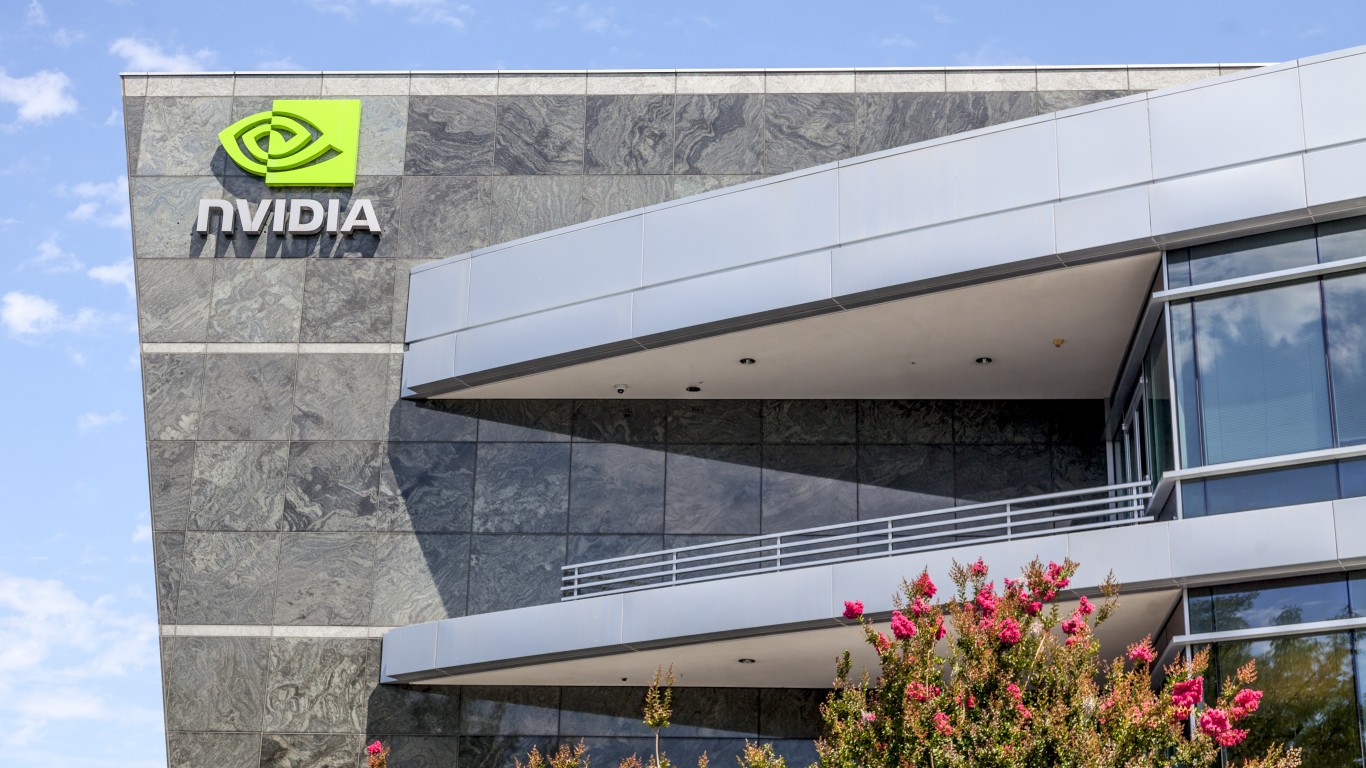
Nvidia reported revenue of $115.8 billion for its third quarter, up 103% from a year earlier, and guided to $130 billion, plus or minus 3%, for the quarter ending in January. Interim CEO Colette Kress raised next year’s growth outlook to 75% and said that "with demand far exceeding supply, we expect our performance to remain strong." She said Nvidia’s compute "remains fully utilized across every hyperscaler and neo-cloud we serve," and that older Hopper chips have been recontracted at up to twice their original price under multi-year agreements.
For Oracle, a large buyer of those chips that is paying for them with borrowed money and new shares, that is the bull case said out loud: the capacity it is building is in demand and the rents are rising. Kress listed Oracle’s cloud, OCI, among the partners already on Nvidia’s new Vera CPU. Two other lines cut the other way. The frontier labs, Nvidia’s term for OpenAI and its peers, are about 15% of Nvidia’s data center revenue this year and have started building their own data centers. And Nvidia’s guarantees reached $118 billion, including $105 billion of credit support for a site that will hold Nvidia hardware under a 20-year lease to OpenAI. The customer behind about 45% of Oracle’s backlog is being helped to build capacity Oracle will not own.
What famous money did last quarter
The 13F filings that landed this week show David Tepper’s Appaloosa opened a new Oracle position in the third quarter: 1,253,932 shares, worth $172 million at Sept. 30, about 2.3% of the fund. The filing gives no purchase price, and Oracle closed anywhere from $114.99 to $162.52 during the quarter. At Tuesday’s close the stake was worth $144 million, $28 million less than at quarter end, if he still holds it. Of 13 large filers tracked by Fuse that own Oracle, 9 added shares, D. E. Shaw and Marshall Wace among them, 4 trimmed and one sold out. Michael Burry’s Scion, which held Oracle put options earlier this year, reported none at Sept. 30, Stocktwits reported on Monday.
The bottom line
Oracle trades at the price of its own November stock sale and pays up to 8.65% to borrow. Nvidia’s numbers say the demand behind Oracle’s backlog is real. Oracle’s own price history says a fall this size has happened once before and took nearly 17 years to undo. A holder with a large gain and a large concentration does not have to pick a side: a half trim banks part of the gain at a 15% rate and keeps a position for the case Tepper is making.
Contact [email protected] for any questions or corrections.
I've been writing about stocks and personal finance for 20+ years. I believe all great companies are tech companies in the long run, and I invest accordingly.