USA Rare Earth Rises 5%, MP Materials Gains 3%, Critical Metals Dips: Can Trump’s Pledge to “Catch” China on Rare Earths Revive the Sector?

This post may contain links from our sponsors and affiliates, and Flywheel Publishing may receive compensation for actions taken through them.
Rare earth stocks are splitting into winners and laggards a day after a White House pledge to close the gap with China. USA Rare Earth (NASDAQ:USAR) stock is at $6.90, up 5% in early action. That gain barely dents the damage, with USA Rare Earth still down 42% year to date (YTD).
The rebound in USA Rare Earth fits a sector-wide bounce after a steep selloff earlier this week, when William Blair downgraded the company over feedstock shortages. On November 16, a single downgrade dragged down rare-earth stocks across the board ahead of the Trump-Xi meeting. Tech stocks are leading the broader market on AI-driven demand, with CNBC reporting that a closely watched AI debut is lifting tech names, but USA Rare Earth and its rivals are trading on their own policy story.
Trump’s Rare Earth Pledge Puts USA Rare Earth Back in Focus
President Donald Trump said on November 18 that the U.S. will “catch” China on rare earths within 10 months, following his meeting with Chinese President Xi Jinping at the Asia-Pacific Economic Cooperation (APEC) summit. Rare earths go into the permanent magnets that power electric vehicles, defense systems and consumer electronics. China dominates the processing and magnet-making steps, and those plants take years to build and qualify elsewhere. That’s the gap USA Rare Earth is racing to close.
Washington is already putting money behind the push. The Department of War’s fiscal 2027 budget overview says the department is working to “reshore all aspects of the supply chain for dozens of critical minerals that go into our weapon systems and defense industrial base.” USA Rare Earth’s government support includes a $750 million Department of War investment in its offtake vehicle, a revolving facility of up to $500 million and a $300 million forward purchase.
MP Materials and Critical Metals Split on the Rebound
MP Materials (NYSE:MP) stock is at $37.13, up 3%, a smaller gain than USA Rare Earth’s. On a YTD basis, MP Materials is down 27%. Notably, three MP Materials insiders bought a combined $3.6 million of stock near the 52-week low, with purchases running from November 10 to November 17.
Critical Metals (NASDAQ:CRML) stock is at $3.65, down 1%, moving against the bounce in its two larger rivals. Losses have piled up quickly for Critical Metals, which is down 47% YTD. Meanwhile, United States Antimony (NYSE:UAMY) rounds out the group as an adjacent critical-minerals peer; UAMY stock is down 2% to $2.48 on Thursday morning and is down 51% YTD.
How USA Rare Earth’s Mine-to-Magnet Model Stands Apart
USA Rare Earth is building a mine-to-magnet chain that spans the Serra Verde mine in Brazil, a metals and alloys business in the U.K., a magnet plant in Stillwater, Oklahoma, and a planned metal and magnet facility in South Carolina. That spread gives the company supply outside China, though it also extends execution across several countries.
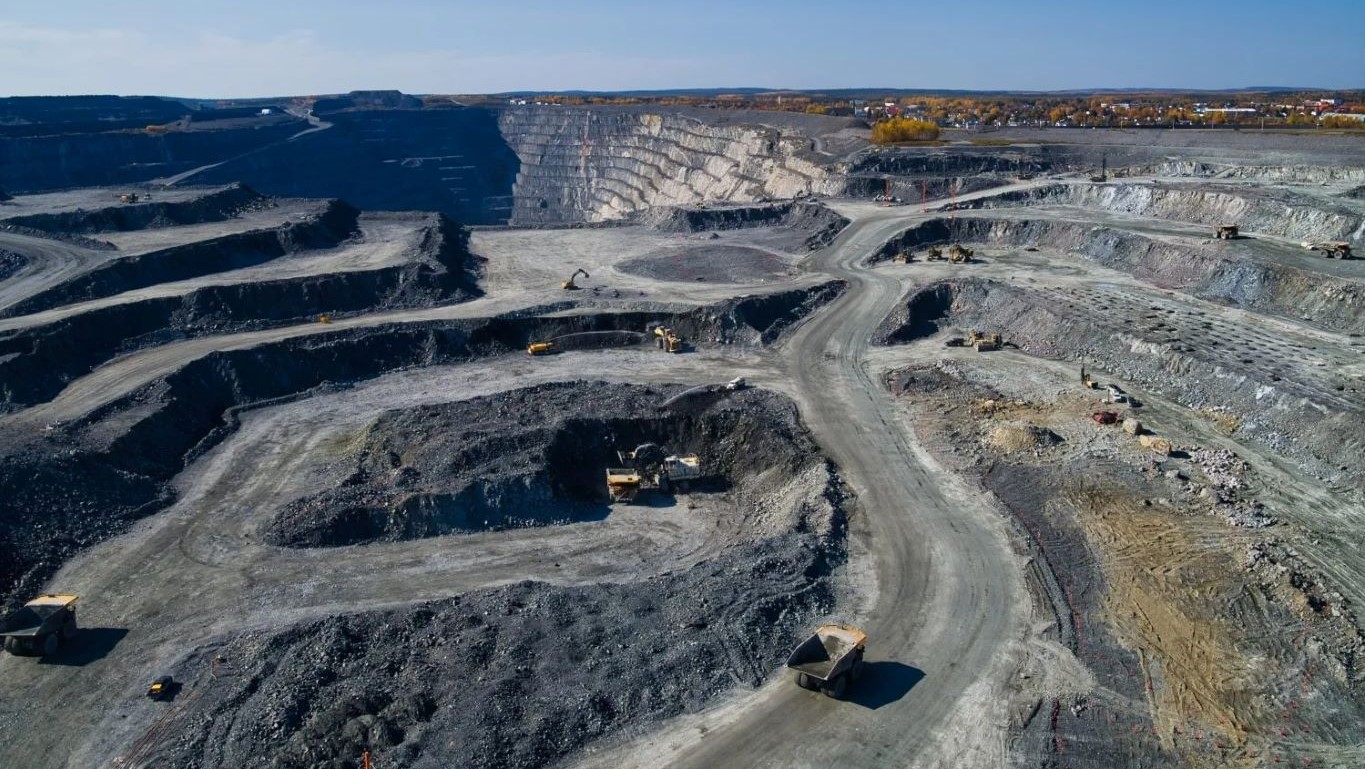
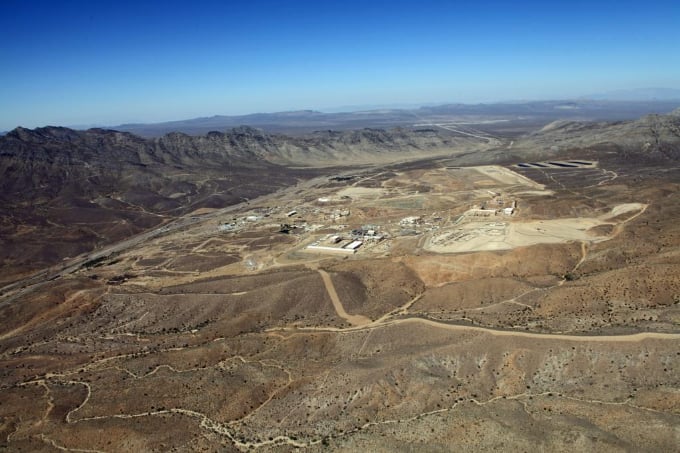
MP Materials runs a more focused U.S. operation built around its Mountain Pass mine in California and its Independence magnet plant in Fort Worth, Texas. A Department of War partnership that includes price protection, plus long-term magnet supply deals with automotive and consumer-tech customers, supports MP Materials’ business.
Critical Metals is in the initial stage, as a pre-revenue developer of the Tanbreez rare earth project in Greenland and the Wolfsberg lithium project in Austria. United States Antimony works a different corner of critical minerals, producing antimony and zeolite and supplying the Defense Logistics Agency.
Can USA Rare Earth and MP Materials Close the Gap With China?
The bulls see rare alignment between the White House, the Department of War and allied supply programs, all aimed at rebuilding a domestic chain. For USA Rare Earth, government-backed offtake and financing could cushion the cost of ramping several plants at once.
Meanwhile, the bears counter that money can’t build mines, separation lines and magnet plants overnight. William Blair’s feedstock concerns cut straight at USA Rare Earth’s expansion, and Critical Metals has disclosed substantial doubt about its ability to continue as a going concern[1]. Steep YTD losses across the group show how quickly sentiment can sour.
For MP Materials, investors are watching whether the magnet expansion delivers revenue fast enough to support the policy story. Feedstock supply, rare earth prices and fresh moves from Washington could decide whether USA Rare Earth stock holds its rebound. Volatility across the group could remain elevated until the race with China on rare earths resolves.
Contact [email protected] for any questions or corrections.
David Moadel is financial writer specializing in stocks, ETFs, options, precious metals, and Bitcoin. David has written well over 1,000 articles for leading online publications, helping investors understand markets, income strategies, and risk. His work has appeared in 24/7 Wall St., The Motley Fool, InvestorPlace, U.S. News & World Report, TipRanks, ValueWalk, Benzinga, Market Realist, MarketScreener, TalkMarkets, Finmasters, and others. With a master’s degree in education, David has taught at the elementary, high school, and college levels. That teaching background shapes his writing style: clear, educational, and practical. David has also built a loyal social-media audience by providing trustworthy financial content on YouTube, X/Twitter, and StockTwits.