Why Did David Tepper Exit AMD and Open a $172M Oracle Position? Here’s What May Have Driven the Shift

This post may contain links from our sponsors and affiliates, and Flywheel Publishing may receive compensation for actions taken through them.

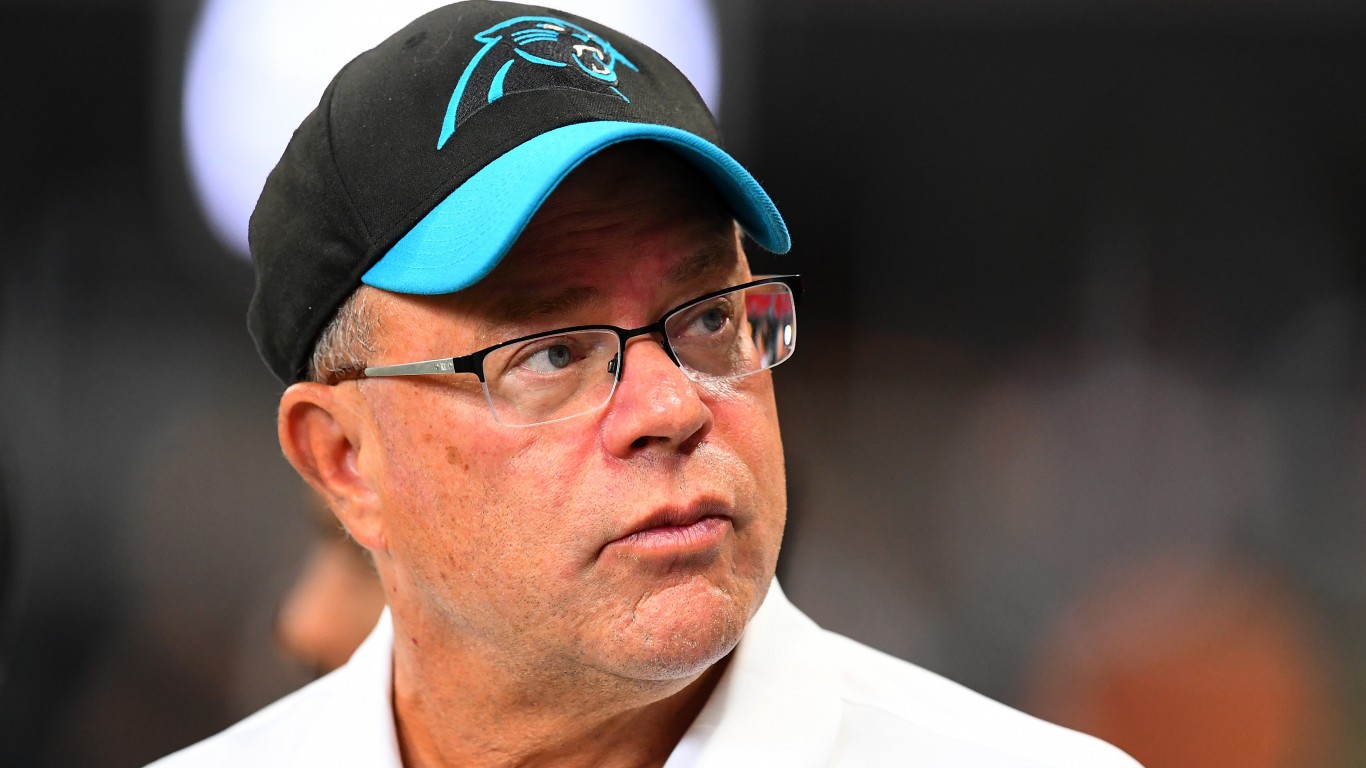
Oracle (NYSE:ORCL | ORCL Price Prediction) and AMD (NASDAQ:AMD) both reported strong AI quarters. Now David Tepper’s Appaloosa has chosen between them. Its third-quarter 13F shows a new 1,253,932-share Oracle stake worth $172,164,864 and a full exit from 197,500 AMD shares. A 13F is an end-of-quarter snapshot. It shows neither trade dates nor Tepper’s reasoning.
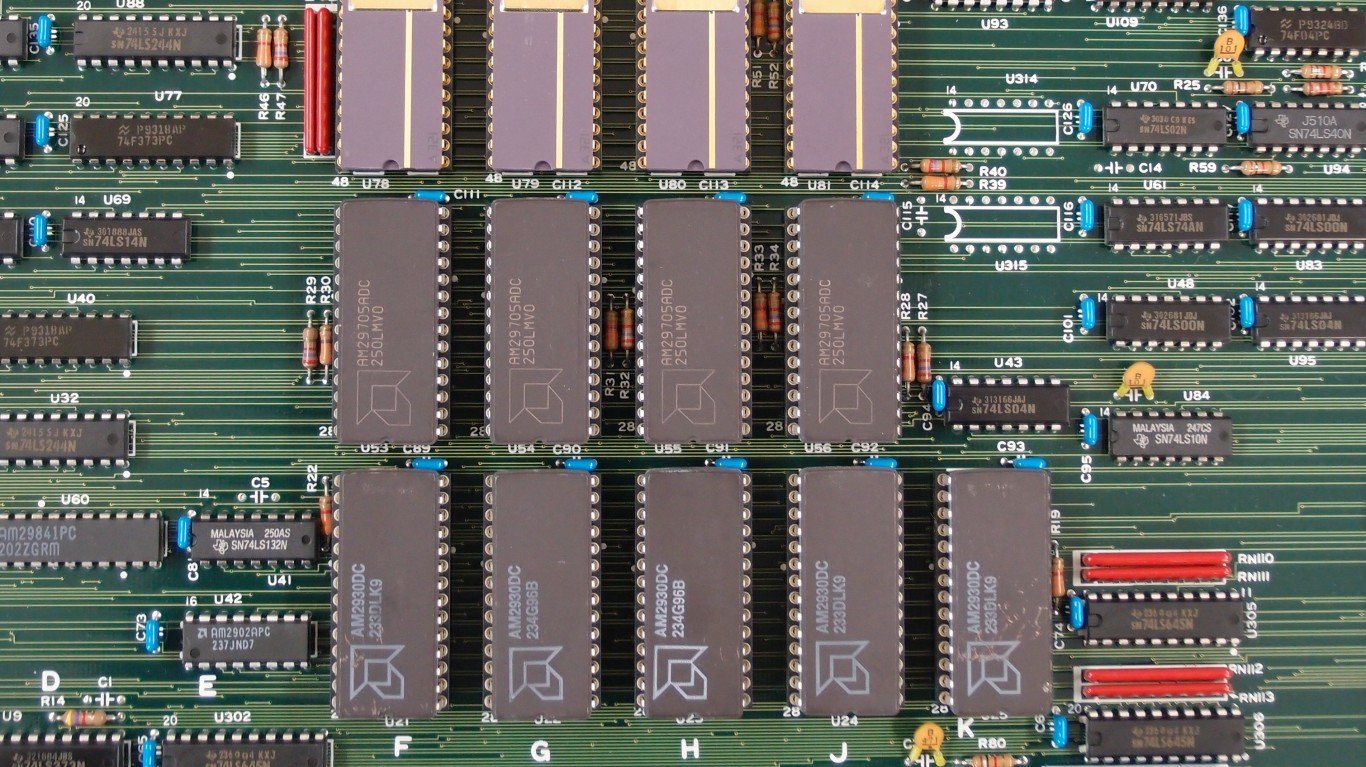
Oracle Rents Out AI Capacity While AMD Sells the Silicon
Oracle’s cloud infrastructure revenue reached $7.388 billion, up 121%[1], and that is the business Tepper bought into. GPU usage hit 97.9%[2], and GPUs coming up for renewal were renewed or resold at a 20% premium. Customers are still competing for that capacity. Oracle executive Clayton Magouyrk said “Prices in a world where demand exceeds supply typically do not go down. They do go up.”[2]
The expansion is expensive. Capex hit $28.5 billion[1], which drove free cash flow to negative $5.4 billion. Remaining performance obligations of $664 billion[1] show where that money is going, but turning those contracts into revenue will take years.
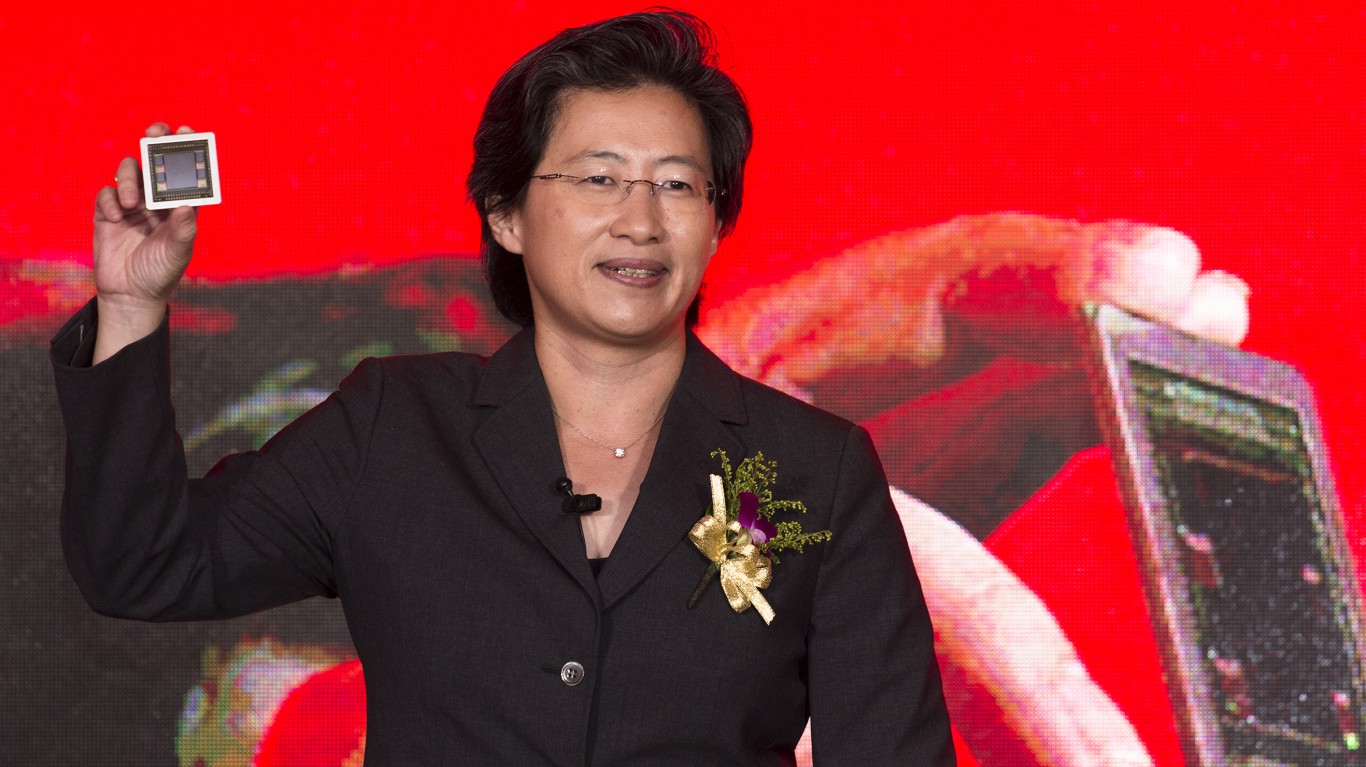
AMD’s Data Center segment brought in $8.546 billion, up 97%[3], and its segment operating margin expanded to 34% from 25%. Lead customers, Oracle among them, brought their first Helios racks online. CEO Lisa Su said “It is true that demand is higher than supply.”[4] Consumer products are weaker. Gaming revenue fell 40% to $773 million[3], and AMD expects PC unit shipments to decline by a double-digit percentage in 2027[4].
| Business Driver | Oracle | AMD |
|---|---|---|
| Growth Engine | OCI AI capacity | Instinct GPUs, EPYC CPUs |
| Soft Spot | Software, -3%[1] | Gaming, -40%[3] |
| Free Cash Flow | -$5.4B[1] | $554M, -70.9%[3] |
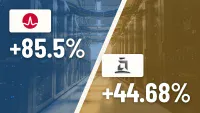
| Stock YTD | -40.79% | +147.54% |
Tepper Rotated Within AI and Kept His Exposure
In the same quarter, Appaloosa also sold Broadcom (NASDAQ:AVGO) and Qualcomm (NASDAQ:QCOM), while it added to NVIDIA (NASDAQ:NVDA) and to memory and chip-equipment names, according to the filing. That looks like a rotation within AI. Tepper still holds AI exposure.
Valuation probably played a part. AMD trades near 201x trailing earnings after a big run, so taking profits would make sense. Oracle has pulled back sharply, and a MarketWatch analyst this week called it cheap even in gloomy scenarios. Oracle also says most new contracts use prepayments or customer-supplied hardware and will not require incremental capital from Oracle[2]. Oracle is a reminder that the AI trade reaches well beyond the chipmakers, which is the same angle we took in a free report on seven suppliers powering the buildout.
Cash Flow Timing and Helios Volume Will Settle This
Oracle forecast for fiscal second-quarter cloud growth of 65% to 71%[1]. When asked when free cash flow would turn positive, CFO Hilary Maxson said “We have not given a particular time frame on that yet.”[2] AMD forecast for fourth-quarter revenue of about $17 billion[3]. Its inventory rose 35% sequentially[3], and I will be watching whether that inventory ships as Helios racks.
Why Oracle Fits a Patient Contrarian Better Right Now
I can see why Tepper made this move. AMD’s execution looks excellent, but the stock price already reflects much of that. Oracle comes with debt, heavy spending and negative cash flow, which is why I am somewhat skeptical. Still, a full GPU fleet and renewals at higher prices suggest real pricing power.
If cash flow uncertainty resolves, Oracle offers more room for the market to rerate the shares. AMD’s case rests on momentum supported by profits. If Oracle’s capex outlook grows again without a firm timeline for positive free cash flow, I would rethink my view.
Contact [email protected] for any questions or corrections.
Alex Sirois is a financial writer with experience spanning both retail and institutional investing. He has written for InvestorPlace and held roles at BNY Mellon and Bernstein, giving him a perspective that bridges Main Street portfolios and Wall Street analysis.
Alex holds an MBA from George Washington University and has built his career across multiple industries, including e-commerce, education, and translation — a breadth of experience that informs how he breaks down complex financial topics for everyday investors. His writing is conversational, actionable, and grounded in long-term, buy-and-hold investing principles.
At 247 Wall St., Alex focuses on delivering analysis that is both accessible and useful, with a clear emphasis on helping readers make more informed decisions with their money.