Berkshire Hathaway Is Up 14% in 2026 While the NASDAQ 100 Has Gone Nowhere. Is It Time to Dump Tech Stocks and Buy Berkshire?

This post may contain links from our sponsors and affiliates, and Flywheel Publishing may receive compensation for actions taken through them.
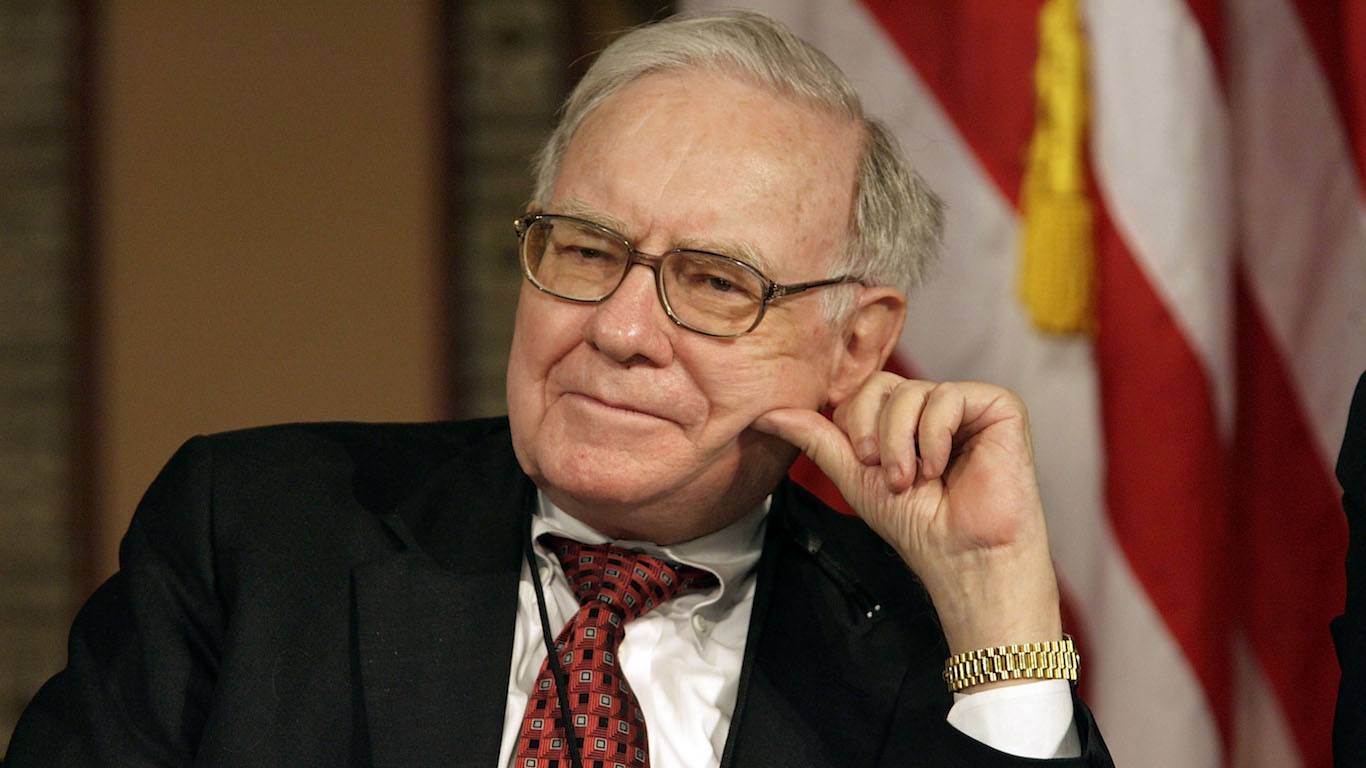
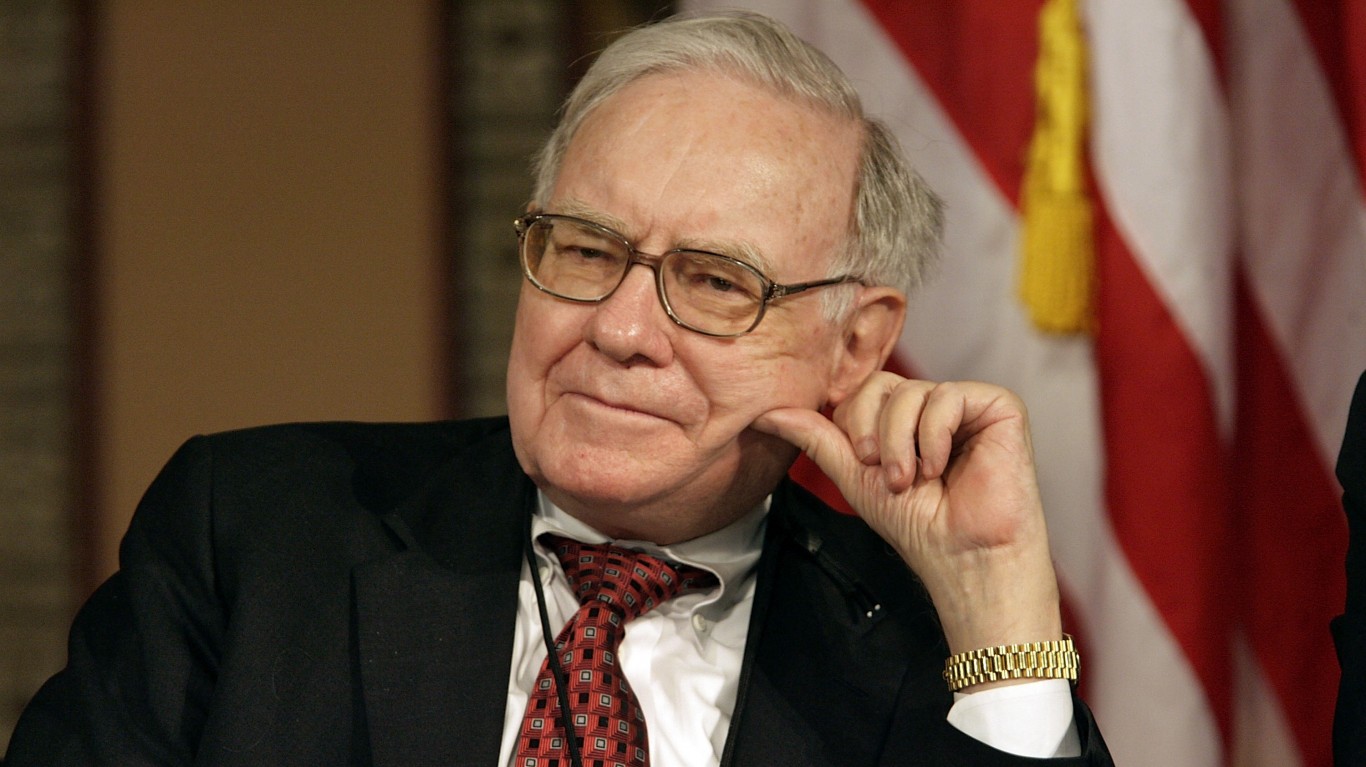
A conglomerate built over decades is beating the tech-heavy NASDAQ 100 in 2026, and the gap has widened as investors pull back from pricey growth stocks. Berkshire Hathaway (NYSE:BRK-B | BRK-B Price Prediction) stock is up 14% year to date (YTD) to $571.46 in the latest session. That price includes a 0.1% dip from where shares last closed, and Berkshire has slipped over the past several sessions, so it hasn’t been fully immune.
Invesco QQQ Trust (NASDAQ:QQQ), the fund that tracks the NASDAQ 100, is up 1% YTD to $622.41. The slim gain leaves the index looking stuck in place, since a steep tech sell-off this month has erased much of its 2026 progress. SPDR S&P 500 ETF Trust (NYSEARCA:SPY) sits in the middle, up 3% YTD to $701.80.
What Powered Berkshire Hathaway’s Run in 2026
Berkshire’s steady footing starts with its operating businesses. In a filing on August 11[1], the company said its Q2 2026 operating earnings, its preferred profit measure, rose to $12.98 billion from $11.16 billion a year earlier. BNSF, Berkshire Hathaway Energy and the manufacturing, service and retailing group all grew, while insurance underwriting and insurance investment income declined.
Headline net income at Berkshire got a large lift from $12.68 billion[1] in after-tax investment gains, which management describes as “usually meaningless” for judging a quarter. In the same period, the company became a net buyer of stocks for the first time in over three years, putting $23.5 billion[1] into equities.
That buying run didn’t last. A quarterly holdings report from Berkshire, made public on November 17, showed sales outweighing purchases, including a trim to its Bank of America (NYSE:BAC) stake, while Berkshire added to a homebuilder position.
How Berkshire Hathaway’s Business Mix Differs From the NASDAQ 100
Insurance operations such as GEICO and General Re, BNSF Railway, utilities and energy, and a long roster of manufacturing and retail companies make up Berkshire Hathaway, alongside one of the world’s largest equity portfolios. Float from Berkshire’s insurers reached $177.5 billion as of June 30, capital the company can invest while claims come due. The Invesco QQQ Trust works differently, tracking 100 of the largest non-financial companies listed on Nasdaq-affiliated exchanges, selected by market capitalization.
NVIDIA (NASDAQ:NVDA) was the largest holding in Invesco QQQ Trust as of June 30[2], with chipmakers, software makers and internet platforms crowding the top of the list. That tilt explains why tech has taken the bigger hit this month. Chipmakers, AI cloud providers and other AI infrastructure stocks have sold off amid concerns over debt-funded AI spending, a leadership shake-up at NVIDIA and scrutiny from China.
The SPDR S&P 500 ETF Trust lands between the two because it holds the same mega-cap tech names alongside banks, healthcare and industrial companies. Berkshire Class B itself ranked among the S&P 500 fund’s 10 largest holdings as of March 17.
Weighing a Rotation From Tech Into Berkshire Hathaway
The bulls on a rotation point to Berkshire’s broad earnings, its record $380 billion[3] cash pile at the end of Q1 2026, and the long track record Warren Buffett built over decades. A business like that tends to hold up when speculative trades unwind, a pattern on display in AI stocks this month. Management also bought back $4.5 billion[1] of Berkshire stock in Q2, a sign it sees value in the shares.

Still, the case for staying with tech is just as real. Over longer periods, technology has led the market, and the Invesco QQQ Trust is still higher for 2026 despite the sell-off. Berkshire has tended to lag in strong bull markets, and moving everything after a sharp drop risks selling low (riding an AI mania is fine as long as the exit is planned, which is the whole subject of our free bubble survivor’s handbook).
What Comes Next for Berkshire Hathaway and Tech
Retirement-focused savers can hold exposure to both Berkshire and the NASDAQ 100. A mix of broad index funds and steadier, cash-generating businesses spreads risk across different economic drivers, which can soften the blow when one corner of the market cracks. Some overlap already exists, since an S&P 500 fund holds both Berkshire and the tech giants driving this year’s swings.
Berkshire Hathaway now faces the question of whether its operating businesses keep growing if money flows back into growth stocks. A conservative investment approach could involve more research into position sizing while the tech sell-off plays out.
Contact [email protected] for any questions or corrections.
David Moadel is financial writer specializing in stocks, ETFs, options, precious metals, and Bitcoin. David has written well over 1,000 articles for leading online publications, helping investors understand markets, income strategies, and risk. His work has appeared in 24/7 Wall St., The Motley Fool, InvestorPlace, U.S. News & World Report, TipRanks, ValueWalk, Benzinga, Market Realist, MarketScreener, TalkMarkets, Finmasters, and others. With a master’s degree in education, David has taught at the elementary, high school, and college levels. That teaching background shapes his writing style: clear, educational, and practical. David has also built a loyal social-media audience by providing trustworthy financial content on YouTube, X/Twitter, and StockTwits.