The Copper and Iron Ore Behind Your Wiring and Appliances: $90,000 Across These 3 Miners Pays $5,330 a Year

This post may contain links from our sponsors and affiliates, and Flywheel Publishing may receive compensation for actions taken through them.
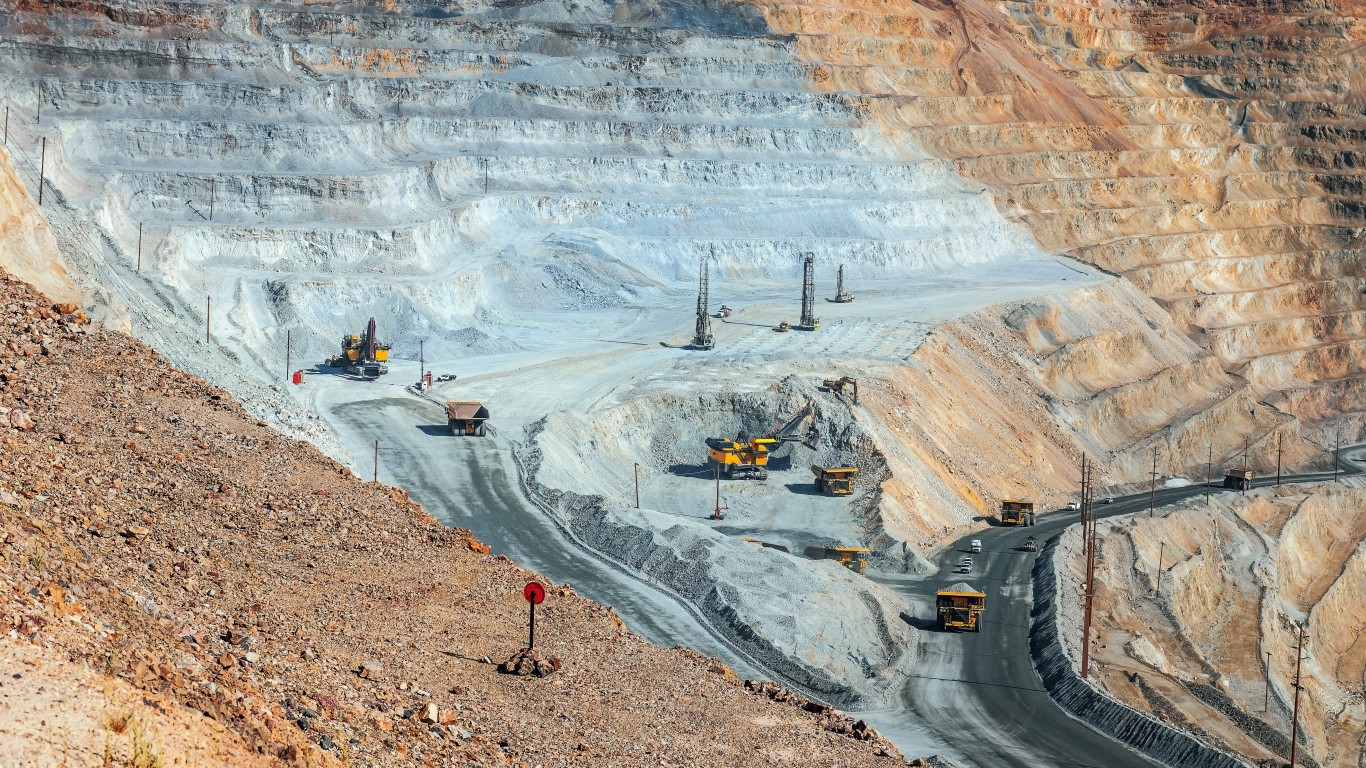
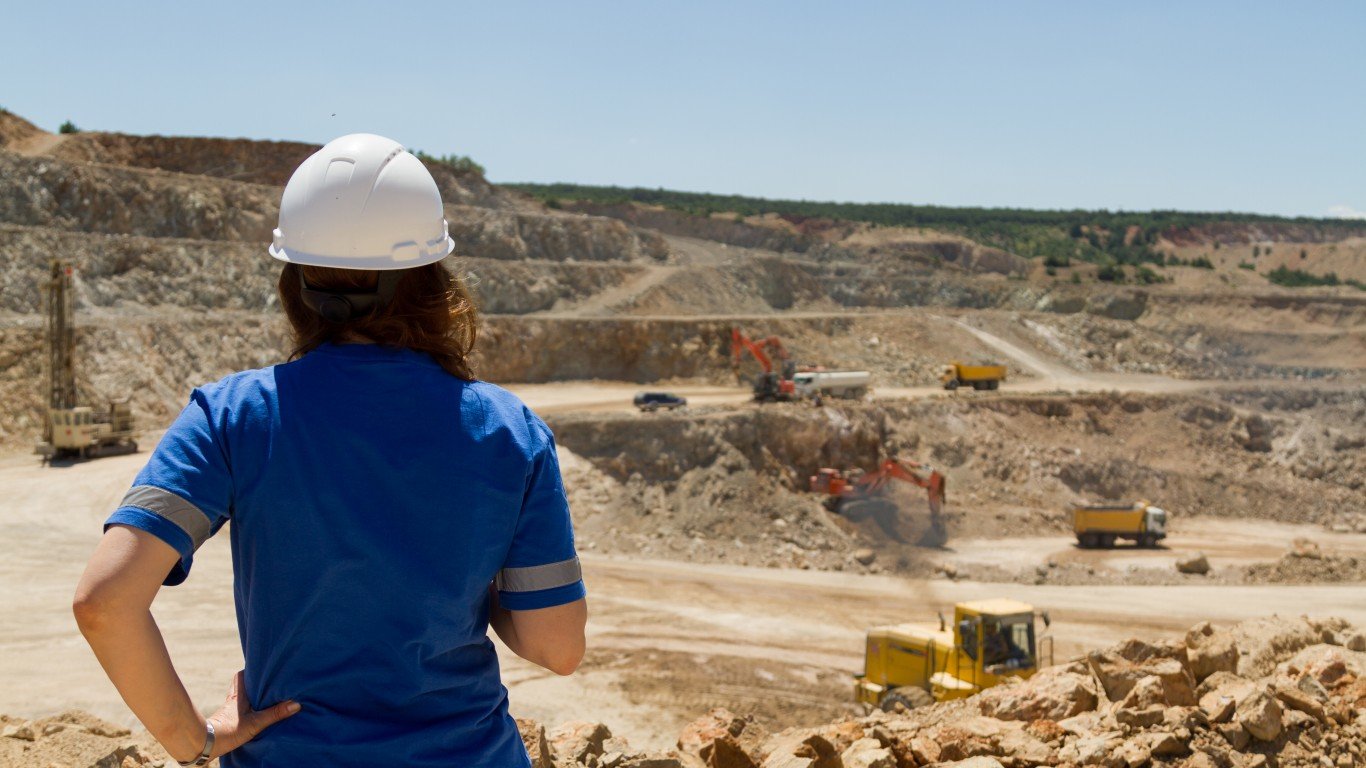
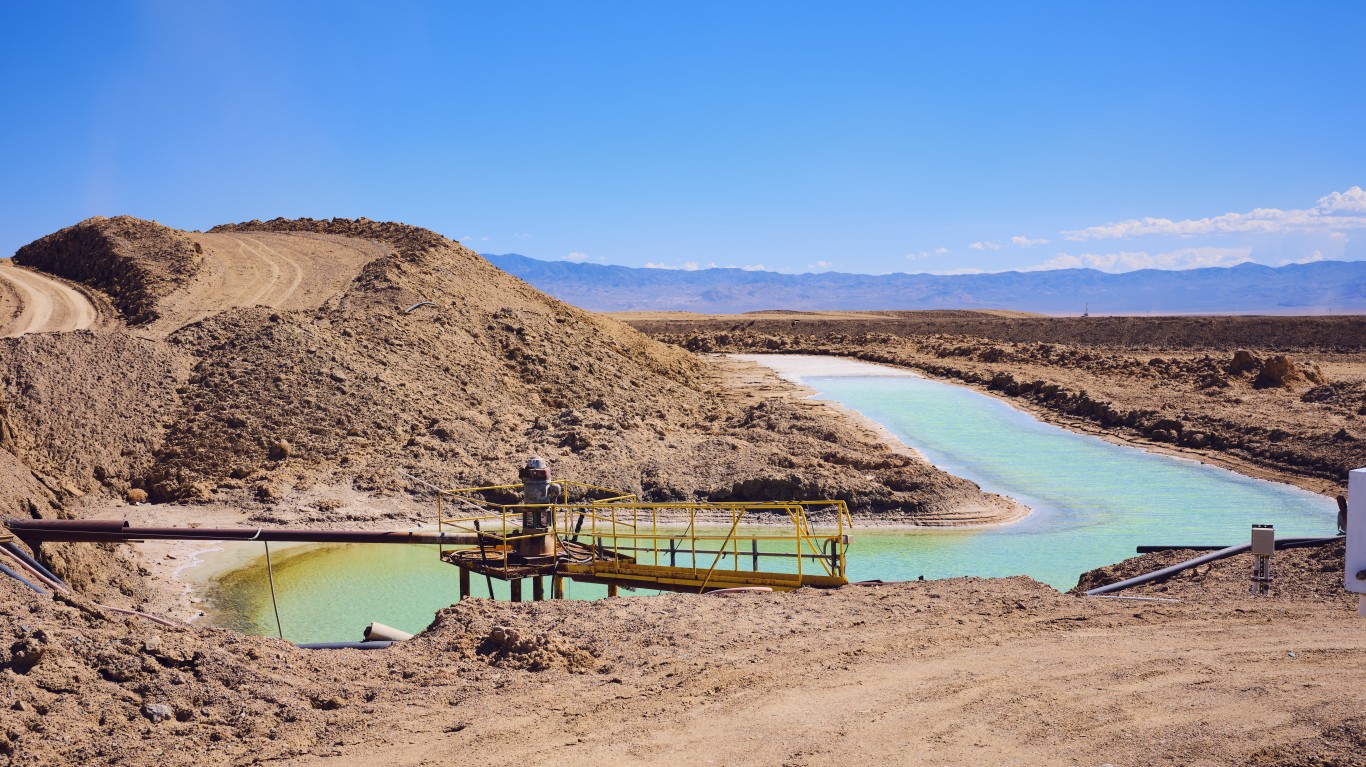
Copper wiring and household steel trace back to mines in Western Australia, the Gobi Desert in Mongolia and the forests of northern Brazil. Three of the biggest companies running those mines send cash to their shareholders twice a year.
If you split $90,000 evenly across those three miners, at $30,000 apiece, the dividends they paid over the past 12 months add up to $5,330. Those figures come from what the companies actually paid over the last year. All three pay twice a year and set each payout based on profits and commodity prices, so next year’s checks could be larger or smaller.
All three are foreign companies trading in New York as ADRs, so dividends can be subject to foreign tax withholding in a taxable account. Here’s what a $30,000 stake in each would have produced, from lowest yield to highest.
BHP Group
- Stock #3: BHP Group (NYSE:BHP | BHP Price Prediction)
- Trailing 12-Month Yield: 5.05%
- Shares for $30,000: 438.9
- Annual Passive Income: ~$1,514
BHP mines iron ore in Western Australia and copper at Escondida in Chile and Olympic Dam in South Australia, along with coal, and it’s building the Jansen potash mine in Canada. It’s the world’s largest copper producer, and copper delivered more than half of the group’s EBITDA for the first time in fiscal 2026.
This high-yield payout is tied to profits. The fiscal 2026 final dividend reflected a 72% payout ratio[1], and the year returned $8.7 billion to shareholders. Free cash flow reached $9.77 billion[1] against net debt of $8.69 billion, with $18.53 billion in cash. ADR holders collected $1.46 and then $1.98.
Spending is the main pressure point on the payout: BHP guided capex of about $11 billion a year[1] for fiscal 2027 and 2028 and took a $2.3 billion impairment on Jansen. Iron ore still depends on China’s steel mills, and the ADR fell 15.09% over the past week.
Rio Tinto
- Stock #2: Rio Tinto (NYSE:RIO)
- Trailing 12-Month Yield: 6.26%
- Shares for $30,000: 404.0
- Annual Passive Income: ~$1,879
Rio Tinto runs the Pilbara iron ore mines in Western Australia, the Oyu Tolgoi copper mine in Mongolia, and Kennecott in Utah, plus aluminum and lithium. Its Simandou iron ore project in Guinea made its first high-grade sales in April 2026.
The board targets total cash returns of 40% to 60% of underlying earnings through the cycle, which puts Rio in ultra-high-yield territory. The $2.11[2] interim dividend was a 50% payout against underlying EPS of 421.40 US cents, and first-half free cash flow hit $3.83 billion. Rio held a 60%[3] payout ratio in 2025 for the tenth straight year.
Those checks move with commodity prices: the August 2025 dividend was $1.48, compared with $2.54 in March 2026. Pilbara ore feeds Chinese steelmakers, and the shares dropped 15.76% over the past month.
Vale
- Stock #1: Vale (NYSE:VALE)
- Trailing 12-Month Yield: 6.46%
- Shares for $30,000: 3,067.5
- Annual Passive Income: ~$1,937
Brazil’s Vale is the world’s largest iron ore producer, with copper from its Sossego and Salobo mines and nickel operations in Canada. Copper revenue rose 62%[4] to $1.56 billion in the second quarter.
Vale’s ultra-high-yield payout follows a policy applied to results and arrives as dividends plus interest on capital. The board approved $1.701 billion[4] for the first half of 2026, plus a buyback of up to 100 million shares over 18 months. Second-quarter free cash flow rose 105%[4] to $1.50 billion, while EPS of $0.32 came in below the $0.494 estimate.
Volatility shows up in Vale’s payouts, which have ranged from $0.090545 in December 2024 to $0.399802 in August 2026. Iron ore volumes slipped to 129.4 Mt[5] in the first half from 148.6 Mt in the prior half (China’s steel demand drives that number), and the shares fell 24.88% over the past month.
Where Your $5,330 Comes From
| Name | Trailing 12-Month Yield | Annual Dividend Income |
|---|---|---|
| BHP Group | 5.05% | $1,514 |
| Rio Tinto | 6.26% | $1,879 |
| Vale | 6.46% | $1,937 |
| Total | 5.92% | $5,330 |
Who Gets the Most From These Miners
Combined, these 3 positions generated $5,330 in passive income over the past 12 months on a $90,000 investment, a blended yield of 5.92%. Vale contributes $1,937, Rio Tinto adds $1,879, and BHP rounds out the group with $1,514.
This group produces income that rises and falls with the copper and iron ore the world keeps building with. Unlike a rental property, each stake can be trimmed or sold on any trading day if plans change. The cash is real, but expect each check to move with the metals.
Contact [email protected] for any questions or corrections.
David Beren has been a Flywheel Publishing contributor since 2022. Writing for 24/7 Wall St. since 2023, David loves to write about topics of all shapes and sizes. As a technology expert, David focuses heavily on consumer electronics brands, automobiles, and general technology. He has previously written for LifeWire, formerly About.com. As a part-time freelance writer, David’s “day job” has been working on and leading social media for multiple Fortune 100 brands. David loves the flexibility of this field and its ability to reach customers exactly where they like to spend their time. Additionally, David previously published his own blog, TmoNews.com, which reached 3 million readers in its first year. In addition to freelance and social media work, David loves to spend time with his family and children and relive the glory days of video game consoles by playing any retro game console he can get his hands on.