Hedge Fund Says the Stock Market Knows Your Weakest Moment — and Uses It Against You

This post may contain links from our sponsors and affiliates, and Flywheel Publishing may receive compensation for actions taken through them.

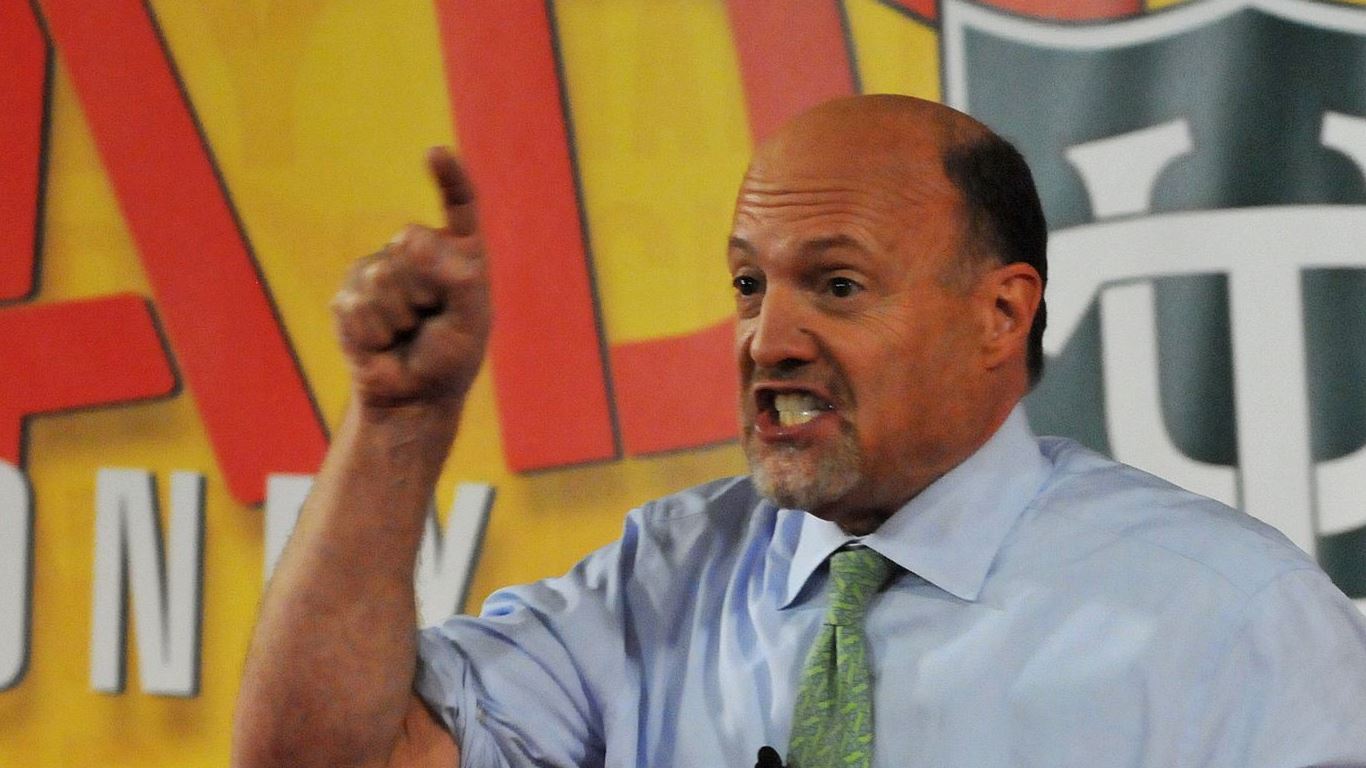
One River Asset Management chief investment officer Eric Peters summed up last week in one line: “The market has a godlike ability to peer into your soul.” In his November 22 weekly note, he added that “Markets are the fiercest machines ever devised to humiliate humans.” He is using a metaphor for how crowded positioning and forced selling tend to hit people right at their breaking point. NVIDIA (NASDAQ:NVDA | NVDA Price Prediction) gave him a fresh example.
A Record Quarter Followed by a Brutal Week
On November 17[1], NVIDIA reported fiscal third-quarter revenue of $115.84B. Analysts had expected $108.73B[1]. Non-GAAP EPS came in at $2.68[1] against a $2.47 estimate. Even so, the stock fell 17.35% over the past week, from $162.85 to $134.60. That price already includes a 7.23% premarket rebound on Monday. Over one month, the shares are down 39.36%. The VIX, Wall Street’s main gauge of expected volatility, closed at 28.44[2] on November 19, up 52.1% in a week.

How Leverage Turns a Dip Into a Liquidation
Peters argues that when risky trades pay off early, investors grow overconfident and take on even more risk. When prices turn, they hold on, hoping to escape the losses without changing anything. Borrowed money makes both the losses and the pressure to sell bigger. One investor’s stop-loss order drives the price down, which sets off the next stop-loss, until the selloff has little to do with whatever started it. He points to February 2018, when inverse-volatility products lost 96% in a single afternoon. His advice: “Investors tend to limit their humiliation by accepting losses in small doses, because the alternative is insolvency.”
NVIDIA’s Interim CEO Says “We’ve Got This”
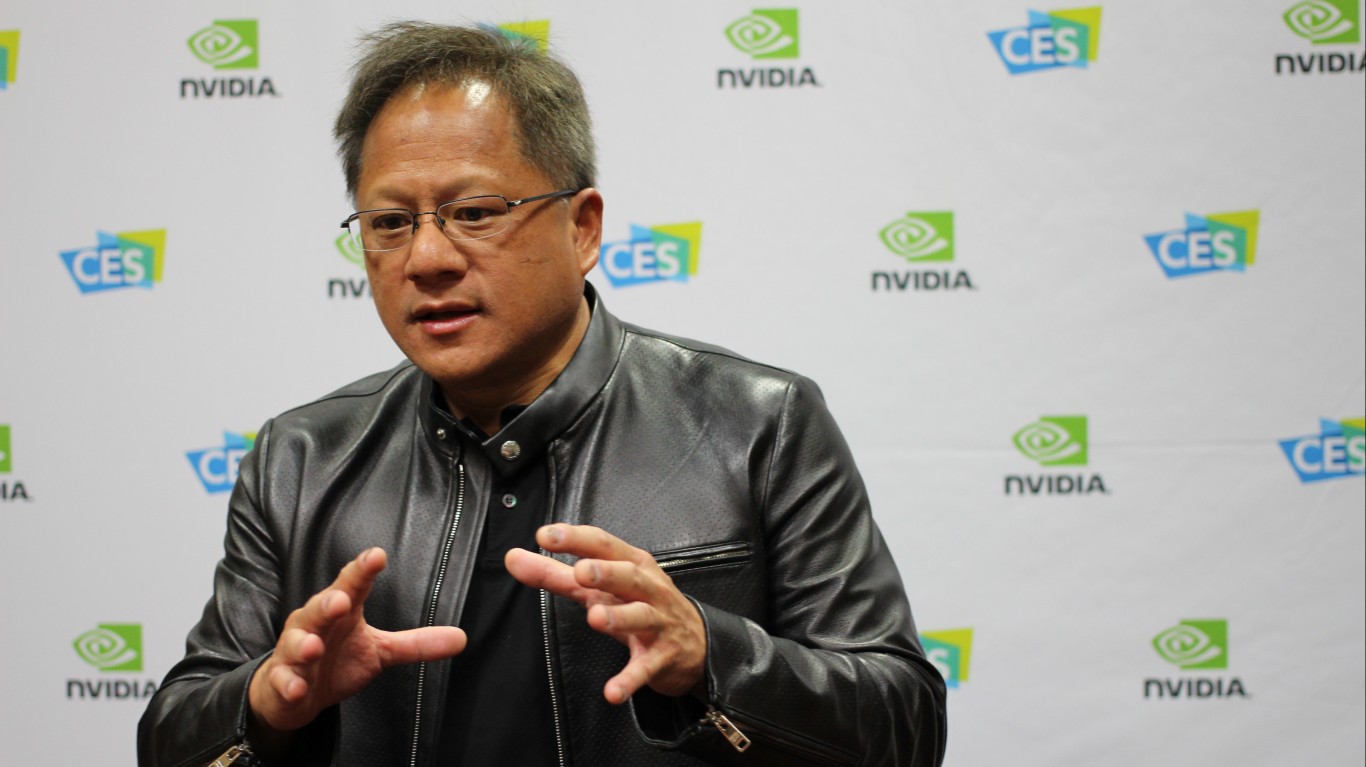
NVIDIA is also going through a leadership change. Jensen Huang resigned after the disclosure of “personal behavior inconsistent with the company’s code of conduct, standards, and cultural norms,”[3] and Colette Kress became interim CEO. On the earnings call, she said: “Our momentum is real. Our demand is accelerating. Our supply is growing. Our customers and our partners are with us and employees are committed. We’ve got this.”[3]
The company’s numbers back up the demand side of that statement. Guidance for the fourth quarter is $130.0B ±3%[1]. NVIDIA raised its fiscal 2028 growth outlook to about 75%[3], up from about 70%. Vera Rubin brought in nearly $20 billion[3] in its first quarter of shipments. Kress also said, “We’ve secured memory, we’ve secured advanced packaging.”[3] That security has a price: supply commitments reached $390B[1], and guarantee exposure reached $118B.

Lessons Investors Cannot Afford to Skip
Peters’ main point is that the biggest threat to an investor is taking on so much risk that volatility forces a sale at the worst moment. NVIDIA’s quarter beat expectations, and leveraged holders were still contracted. Keeping leverage modest, sizing positions reasonably and using stop-losses carefully during volatile periods all improve the odds of staying invested through a drawdown (we put the sizing and the rules for keeping speculative risk contained in a free guide here: Small Stakes, Big Swings).
In the weeks ahead, watch the stock, the board’s CEO search, and whether the VIX comes back down from its elevated range. NVIDIA’s full options chain shows a put-call ratio of 0.86, meaning traders are still positioned on both sides of the trade.

Contact [email protected] for any questions or corrections.
After two decades of patrolling the dark corners of suburbia as a police officer, Rich Duprey hung up his badge and gun to begin writing full time about stocks and investing. For the past 20 years, he’s been cruising the markets looking for companies to lock up as long-term holdings in a portfolio while writing extensively on the broad sectors of consumer goods, technology, and industrials. Because his experience isn’t from the typical financial analyst track, Rich is able to break down complex topics into understandable and useful action points for the average investor. His writings have appeared on The Motley Fool, InvestorPlace, Yahoo! Finance, Money Morning, and, of course, 24/7 Wall St. He has been featured in both U.S. and international publications, including MarketWatch, Financial Times, Forbes, Fast Company, and USA Today.