Lucid Rises 4% as Driverless Robotaxi Testing With Nuro and Uber Begins; Tesla Falls 2% Amid SpaceX Merger Talks, Rivian Edges Higher

This post may contain links from our sponsors and affiliates, and Flywheel Publishing may receive compensation for actions taken through them.

Robotaxi ambitions are raising Lucid Group (NASDAQ:LCID | LCID Price Prediction), which is positioning itself as a new challenger to Tesla (NASDAQ:TSLA). Lucid stock is at $2.71, up 4% as trading gets underway. The gain follows word that Lucid’s autonomy program with Nuro and Uber Technologies (NYSE:UBER) has moved to fully driverless testing on public roads in the San Francisco Bay Area.
Even with the bounce, Lucid stock is down 74% year to date (YTD). The rally stands out because AI and tech stocks are giving back part of the prior session’s rally, and market coverage also points to Federal Reserve policy concerns and Iran sanctions as pressures on the market. Lucid is in the middle of a turnaround under CEO Silvio Napoli, who has made autonomy and robotaxis one of four must-win priorities.

Lucid, Nuro and Uber Begin Driverless Testing in the Bay Area
The companies announced on November 24 that testing without safety drivers is starting in Palo Alto, Mountain View, Los Altos and Sunnyvale. It’s set to expand to other Bay Area cities next year. Under the setup, Lucid supplies the vehicles (its Gravity electric SUV and upcoming midsize models), Nuro provides the self-driving technology and Uber provides its ride-hailing platform.
Employee rides begin soon, ahead of an anticipated public launch in Q1 2027. Houston comes next, and the partners plan to run robotaxi operations there in 2027. Uber has committed to buying Lucid vehicles for the program, and Lucid has delivered a batch of upgraded vehicles for this next phase.
Each vehicle uses cameras, lidar and radar, unlike Tesla’s mainly camera-based approach. Lucid reported on November 9[1] that the program achieved all milestones scheduled through Q3 2026, after expanding to more than 100 vehicles on the road in August.
What Tesla and Rivian Show About Lucid’s Move
Tesla stock is at $379.33, down 2%. Year to date, the shares are down 16%, a softer slide than Lucid’s. Cybercab drives recently expanded to Dallas, Tesla’s second city after Austin, so the EV leader starts with a head start in the race Lucid is now joining.
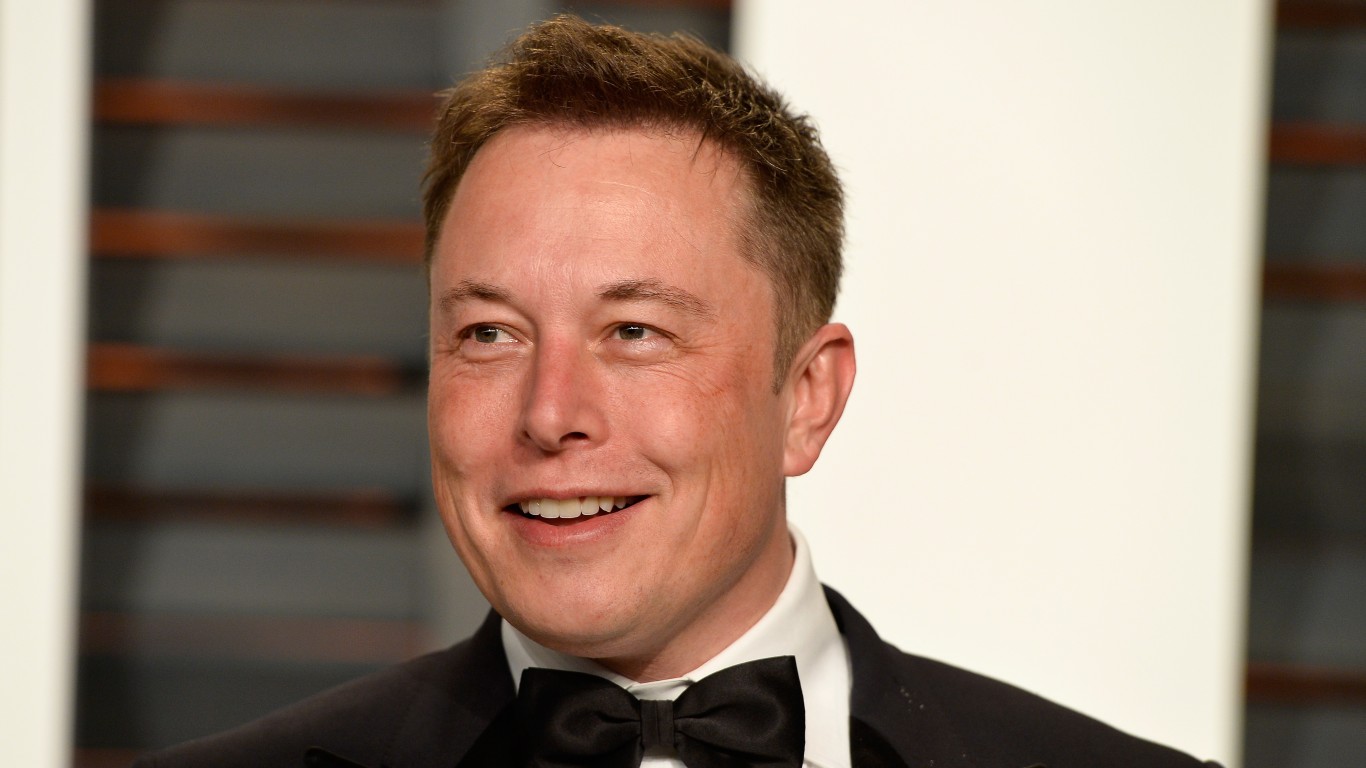
The Financial Times (FT) reported that Tesla directors are negotiating with their counterparts at SpaceX (NASDAQ:SPCX) over a potential all-stock merger that would value the combined company at $3.5 trillion[2]. Among the directors involved is Tesla chair Robyn Denholm, per the FT. On SpaceX’s October earnings call, Tesla CEO Elon Musk called a merger “a good idea,” though the FT reported that Musk can’t formally take part in the talks.
Rivian Automotive (NASDAQ:RIVN) stock is at $11.29, up 0.6%. Shares of the R2 maker are down 43% YTD, a deeper drop than Tesla’s yet a smaller one than Lucid’s. With its own robotaxi partnership with Uber and an Autonomy and AI Day set for December 9[3], Rivian remains part of the autonomy conversation.
How Lucid’s Business Model Differs From Tesla and Rivian
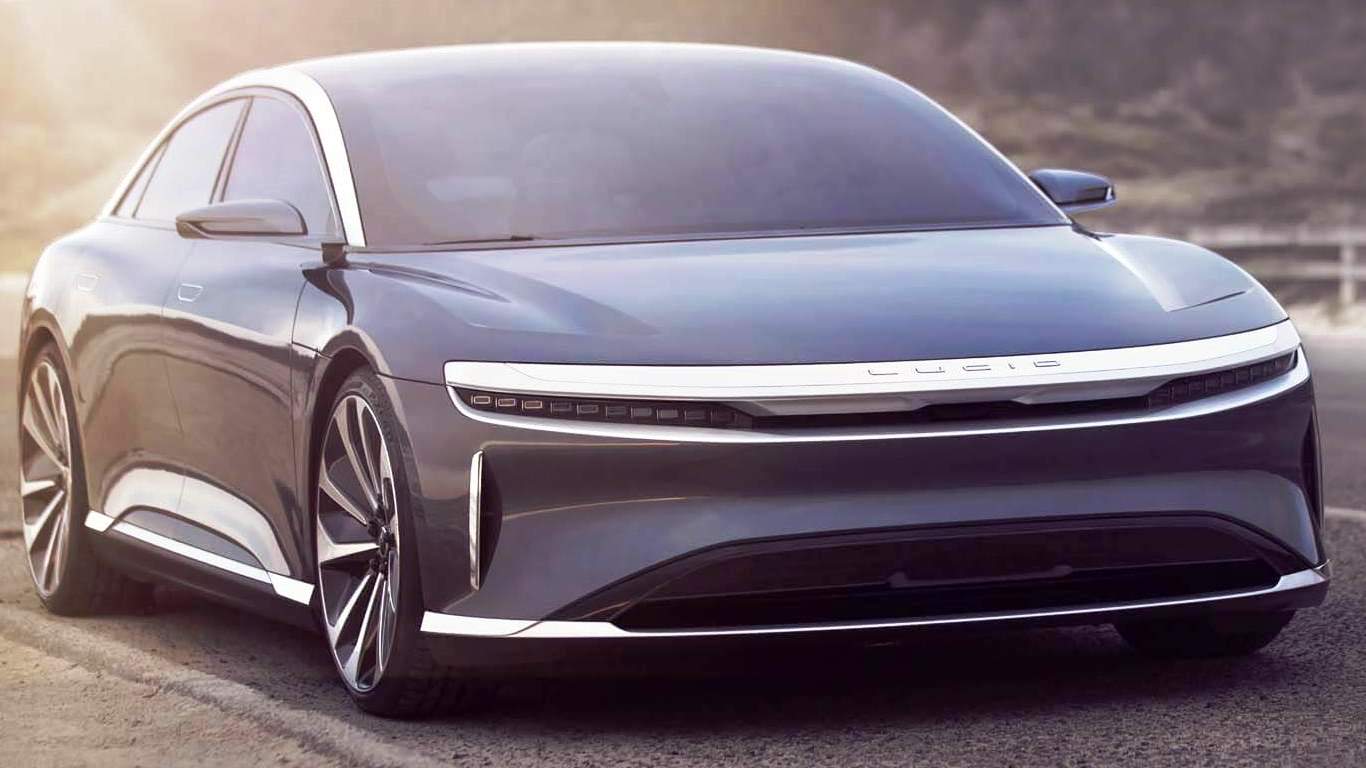
Lucid makes luxury EVs, led by the Air sedan and the Gravity SUV, with Saudi Arabia’s Public Investment Fund (PIF) supporting it as its anchor shareholder. In robotaxis, Lucid acts mainly as a vehicle supplier, relying on Nuro for the driving software and Uber for riders.
Tesla controls far more of the chain, from its own Full Self-Driving software and Cybercab hardware to its ride-hailing service, alongside energy storage and the Optimus humanoid robot. Its grip runs deep. Rivian sits between the two, pairing its lower-priced R2 SUV with a software business that includes a joint venture with Volkswagen, and that software revenue gives Rivian income beyond vehicle sales, something Lucid is still building through partnerships.
Lucid’s Robotaxi Push Heads Toward a Public Launch
Next up for Lucid is whether the Bay Area program reaches its anticipated public launch on schedule. Lucid disclosed on November 9[1] that its pro forma liquidity of $3.75 billion should fund operations into Q4 2027, bridging the company to planned midsize production.
The bulls see a driverless fleet makes with Uber and Nuro as a path to revenue that doesn’t depend on luxury car demand. For the bears, Lucid’s Q3 results remain a sticking point, with revenue of $350.32 million missing expectations and a net loss of $830.9 million.
Rivian’s upcoming autonomy event and any progress in the Tesla-SpaceX talks could also reshape how the market values EV makers with robotaxi ambitions, Lucid included. Investors may want to stay cautious until Lucid’s public robotaxi launch plays out.
Contact [email protected] for any questions or corrections.
David Moadel is financial writer specializing in stocks, ETFs, options, precious metals, and Bitcoin. David has written well over 1,000 articles for leading online publications, helping investors understand markets, income strategies, and risk. His work has appeared in 24/7 Wall St., The Motley Fool, InvestorPlace, U.S. News & World Report, TipRanks, ValueWalk, Benzinga, Market Realist, MarketScreener, TalkMarkets, Finmasters, and others. With a master’s degree in education, David has taught at the elementary, high school, and college levels. That teaching background shapes his writing style: clear, educational, and practical. David has also built a loyal social-media audience by providing trustworthy financial content on YouTube, X/Twitter, and StockTwits.