TSMC Stock Just Had Its Best Day Since 2008

This post may contain links from our sponsors and affiliates, and Flywheel Publishing may receive compensation for actions taken through them.
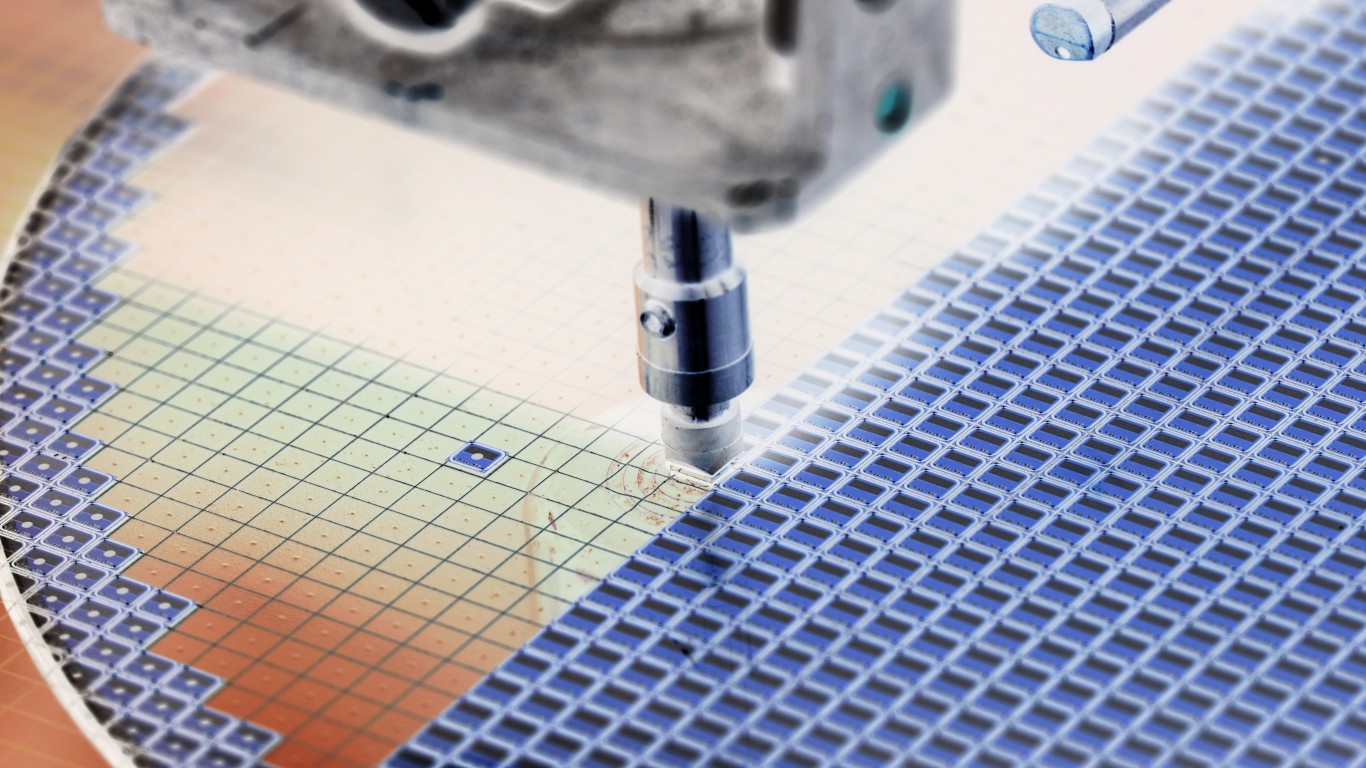
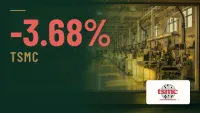
On Monday, November 23, 2026, the U.S.-listed shares of Taiwan Semiconductor Manufacturing (NYSE:TSM | TSM Price Prediction) rose $44.89, or 14.08%, and closed at $363.60. The gain followed a 9.48% drop to $318.71 on Friday, November 20.
Those shares are an American depository receipt (ADR), a U.S.-traded certificate backed by stock listed in Taipei. Monday was the ADR’s biggest one-day percentage gain since October 28, 2008, when it rose 21.07%.
The jump came the day Nvidia (NASDAQ:NVDA) named Jensen Huang as CEO, and the stock closed up 31.48%. TSMC makes most of Nvidia’s advanced AI accelerator chips. The PHLX Semiconductor index also rose 14.03%, so the whole chip sector moved with it.
The question for shareholders is whether one big session can repair a stock that still closed about 25% below its record close of $485.80 on October 5, 2026, even as revenue kept rising.
Where the Rally Peaked and Why Taipei Missed It
The ADR hit $386.90 early, about 21.4% above Friday’s close. By the end of the day, it had slid to just above the session low of $361.66.
The Taiwan-listed shares closed up 1.50% at NT$2,030. Their session ended at 1:30 p.m. Taipei time, or 12:30 a.m. ET Monday, hours before Nvidia’s announcement.
The same company can post two very different daily moves because the two markets trade at different hours. Taipei’s November 24 session was the first chance for those shares to respond.
After hours at 7:39 p.m. ET Monday, the ADR traded at $368.69, up another 1.40%. After-hours prices can change before the next open.
Why an 11th-Place Ranking Matters More Than the Headline
Monday ranks 11th among the ADR’s daily gains since October 1997. All ten bigger gains came between 1997 and 2002 or on October 28, 2008.
Those periods covered the Asian financial crisis, the dot-com collapse and the worst of the global financial crisis. The largest up days tend to come in violent markets, usually right after sharp drops, when short sellers rush to buy back shares.
Monday fits that pattern because the ADR had lost 13.12% over the month through November 23. A rebound that large mostly shows that selling pressure had faded, and a new uptrend would still need confirmation from later sessions.
Revenue Kept Growing Through the Selloff
On November 10, TSMC reported October revenue of about NT$586.89 billion. That was up 59.7% from a year earlier and 14.7% from September. January-through-October revenue rose 43.3% to about NT$4.49 trillion.
Fourth-quarter revenue was guided in October to $52.3 billion to $54.3 billion[1], with full-year growth at about 44% in U.S. dollars. That makes the drop from the record look like a swing in view, since the business kept growing, and Monday reversed part of it.
High-performance computing made up 68%[2] of third-quarter revenue. That ties TSMC closely to Nvidia and a few other AI chip designers.
Management also expects its overseas manufacturing plants to cut gross margin by 3% to 4%[2] in the next few years. Taiwan geopolitics and U.S. export rules on China orders remain open risks.
What the Gap Between Growth and the Share Price Means for TSM Holders
The business kept growing while the ADR fell well below its October record, and Monday recovered only part of that gap. Even after the rally, the ADR is up 20.57% in 2026, at a market value of about $1.88 trillion. That trails the revenue growth management expects for the year.

Retirement-minded investors exploring the stock may want to study how single-day spikes like this one have held up over time. Days like Monday have historically come in unstable markets.
November revenue is the next company data point, and no release date has been posted. If the ADR closes back below Friday’s $318.71, Monday was a swing. A close above the $386.90 intraday high would show that buyers are paying for the growth.
Contact [email protected] for any questions or corrections.
Omor Ibne Ehsan is a writer at 24/7 Wall St. He is a self-taught investor with a focus on growth, cyclical, and dividend equities that have strong fundamentals, value, and long-term potential. He also has an interest in high-risk, high-reward investments such as penny stocks.