Nebius Plunges 12%, Oracle Sinks 8% as AI Cloud Selloff Deepens; IBM Rises 2%: Is IBM a Safer AI Play?

This post may contain links from our sponsors and affiliates, and Flywheel Publishing may receive compensation for actions taken through them.
The AI cloud trade is coming apart fastest for the companies borrowing the most to build it. Nebius Group (NASDAQ:NBIS | NBIS Price Prediction) stock is falling $76.56 in morning trading, down 12%. That drop extends a hard run, and Nebius stock is down 52% over the past month.
Oracle (NYSE:ORCL) stock is slipping alongside Nebius as the biggest AI infrastructure spenders take the brunt of a broad tech selloff. At the other end of the market, IBM (NYSE:IBM) stock is climbing, which puts a spotlight on the split between debt-heavy AI cloud builders and an older tech name with a broader business.
AI Spending Fears Drag Nebius Into a Deeper Hole
Wall Street turned sharply risk-off on November 25, with technology the weakest sector as AI-related selling met fresh tariff worries. The NASDAQ 100 is down 4%, and the Dow Jones Industrial Average is down 1%. October core Personal Consumption Expenditures (PCE) inflation came in at 3.3% year over year (YoY), above the 3.2% that economists expected, and that reading has all but locked in a December Federal Reserve rate hike. The Office of the U.S. Trade Representative also proposed new tariffs on 14[1] trading partners.
Nebius was already bruised before the latest selloff. The company disclosed on November 12 that it raised its 2026 capital expenditure (capex) plan to approximately $27 billion[2] and now expects its 2026 revenue at the low end of its $3 billion to $3.4 billion range. Management blamed colocation delivery delays at third-party sites, with some New Jersey tranches pushed to Q2 2027.
Oracle Sinks While IBM Climbs Against the Tide
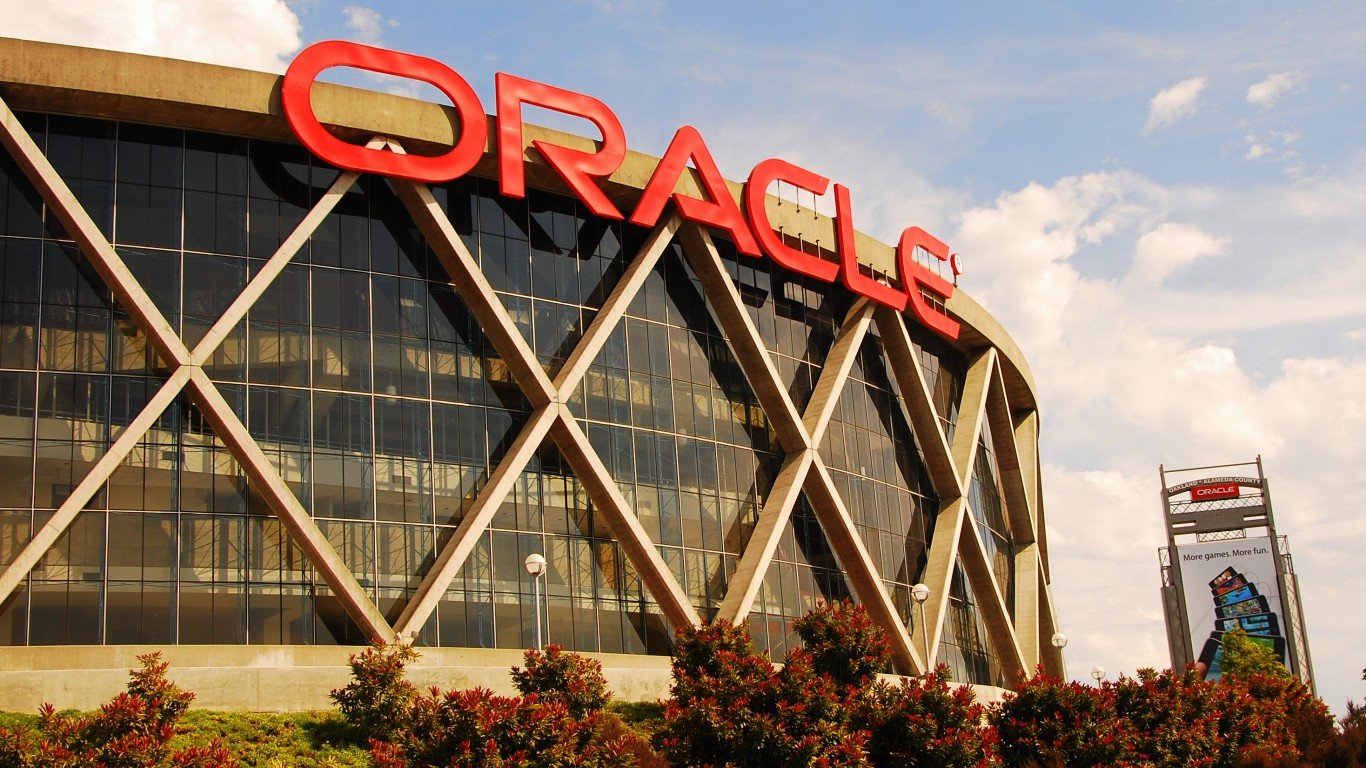
Oracle stock is at $100.37, down 8%. Year to date (YTD), the database giant has dropped 48%. Five-year credit default swap (CDS) spreads for Oracle hit records, according to S&P Global Market Intelligence figures reported by Reuters. Wider CDS spreads mean investors are paying more to insure against a default.
That anxiety ties back to Oracle’s spending. The company stated on September 10[3] that its Q1 FY2027 free cash flow was negative $5.4 billion after $28.5 billion in capex, while its interest expense rose 55% to $1.4 billion. Barron’s reported on November 23 that funding for Oracle’s data center expansion is in place.
IBM stock is at $240.34, up 2%. Even so, IBM remains down 17% YTD, so the company hasn’t been immune to the AI trade’s swings. The move fits a broader rotation toward steadier names, with consumer staples, real estate and utilities also holding up. On October 21[4], IBM revealed that its Q3 2026 free cash flow rose $654 million YoY to $3.03 billion, and it lifted its full-year outlook to call for free cash flow growth of more than $1 billion.
IBM Funds AI Differently Than Nebius and Oracle
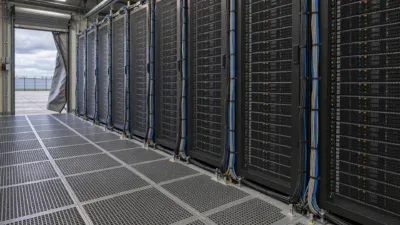
Nebius is a near pure-play AI cloud provider that rents out GPU capacity built on chips from NVIDIA (NASDAQ:NVDA). The company funds that expansion with convertible notes, at-the-market equity sales and asset-backed debt, which brings dilution and rising interest costs. Oracle runs a similar playbook on a bigger scale, pouring cash into AI data centers while its older license business shrinks.
IBM’s revenue leans on Red Hat and other software, a large consulting arm, mainframe and distributed infrastructure, and a financing unit. That mix spreads AI demand across many products, and IBM generates positive free cash flow instead of burning it. The same data-center expansion driving Nebius and Oracle capex also needs power, cooling and networking, and we rounded up seven suppliers riding that wave in a free AI infrastructure report. Such a profile may be why traders are treating IBM differently while debt-funded GPU builders sell off.
Is IBM Really the Safer AI Play?
The bulls on IBM can point to rising free cash flow, a dividend paid every quarter since 1916 and AI demand spread across software and consulting. The bears have their own list: IBM Z mainframe revenue fell 20%[4] in Q3, consulting growth is nearly flat and total debt stands at $63.8 billion. Nebius CEO Arkady Volozh made the builders’ case on November 12: “Prepayments on Q3 agreements covered more than 100% of the associated capex. We expect to reach pre-tax breakeven by the end of 2027.”[2]
Oracle’s next test is whether its upcoming earnings show cash burn easing as new capacity ramps. For Nebius, the question is whether delayed capacity arrives on schedule in 2027. IBM stock looks steadier in this selloff, though its YTD loss shows that a safer AI play still carries real risk. For now, caution may be the wiser investment approach as the AI cloud funding question is still open.
Contact [email protected] for any questions or corrections.
David Moadel is financial writer specializing in stocks, ETFs, options, precious metals, and Bitcoin. David has written well over 1,000 articles for leading online publications, helping investors understand markets, income strategies, and risk. His work has appeared in 24/7 Wall St., The Motley Fool, InvestorPlace, U.S. News & World Report, TipRanks, ValueWalk, Benzinga, Market Realist, MarketScreener, TalkMarkets, Finmasters, and others. With a master’s degree in education, David has taught at the elementary, high school, and college levels. That teaching background shapes his writing style: clear, educational, and practical. David has also built a loyal social-media audience by providing trustworthy financial content on YouTube, X/Twitter, and StockTwits.