Are Big Banks Actually Buying XRP Right Now?
Two of the most-watched banks on Wall Street went in opposite directions on XRP (CRYPTO:XRP) last quarter. Goldman Sachs, which held more XRP through ETFs than the other top disclosed institutions combined, sold all of it. While Morgan Stanley bought…

This post may contain links from our sponsors and affiliates, and Flywheel Publishing may receive compensation for actions taken through them.
Two of the most-watched banks on Wall Street went in opposite directions on XRP (CRYPTO:XRP) last quarter. Goldman Sachs, which held more XRP through ETFs than the other top disclosed institutions combined, sold all of it. While Morgan Stanley bought XRP exposure for the first time, and it spent about $15,000 doing it.
Meanwhile in Japan, SBI Shinsei Bank just launched a pilot that puts XRP in front of 4.33 million depositor accounts. The XRP price trades around $1.15 while headlines keep insisting banks are adopting it. So, we went through the actual records—filings, deal terms, and product launches—to answer whether big banks are buying XRP right now, or just using the rails around it.
Goldman Sachs Sold Its XRP While Morgan Stanley Bought $15,000 Worth

Goldman’s position was the one the XRP community kept pointing to. The bank’s Q4 2025 filing showed $153.8 million spread across four spot XRP ETFs, which was nearly three-quarters of what the 30 largest disclosed institutional buyers held combined at the time. However, its Q1 filing, submitted in mid-May, shows the entire position was gone by March 31.
And this wasn’t Goldman leaving crypto entirely, as the same filing shows roughly $700 million still in Bitcoin ETFs and a reduced Ethereum position, though its Solana ETFs went to zero alongside XRP. Bloomberg analysts had already flagged the original stake as trading desk activity—the bank holding ETF shares to facilitate client orders rather than betting on the token—and the exit backs that up.
Meanwhile, Morgan Stanley did the opposite by loading up on XRP. Its Q1 filing disclosed positions in the Volatility Shares XRP ETF and Grayscale’s GXRP worth about $15,488 combined, against the $1.66 trillion portfolio the same filing reported. The headlines called it a Wall Street giant entering XRP, but the record shows a position smaller than many retail accounts.
However, both filings are quarter-end snapshots filed weeks late, so they describe March, not today, and bank 13Fs often reflect client inventory rather than the bank’s own view. The ETF flows are what’s more current. XRP ETFs have pulled in roughly $1.43 billion since launching in November 2025, and in the week Goldman’s exit became public, the funds still took in $60.5 million. So someone keeps buying, and the filings suggest it’s mostly not bank balance sheets.
Ripple’s Bank Deals Don’t Involve Buying XRP
Ripple’s partnerships are where most of the confusion comes from, because a bank working with Ripple sounds like a bank buying XRP. Ripple has signed ten major deals this year, with Deutsche Bank, Société Générale, JPMorgan, and Mastercard among the partners, and when we scored each one in May, not a single deal required anyone to buy XRP. The settlement work runs through RLUSD, Ripple’s dollar stablecoin, while XRP covers fractions of a cent in network fees.
The gap is clearest at Deutsche Bank, which is integrating Ripple’s software across cross-border payments, foreign exchange, and digital asset custody—and the reporting around it has been explicit that the bank is using Ripple’s software stack, not adopting XRP at this stage. Société Générale’s crypto arm did something similar back in February, launching its euro stablecoin EURCV on the XRP Ledger. A bank issuing its own token on the ledger is using the network, which is a very different thing from buying the asset.
The one Ripple product that genuinely consumes XRP is On-Demand Liquidity, which uses the token to bridge currency pairs in cross-border payments. Only around 40% of RippleNet’s 300-plus partners use it. And even ODL doesn’t make banks holders, as an ODL payment buys XRP and sells it seconds later on the other side of the corridor, creating transaction flow rather than a growing position on any bank’s balance sheet.
SBI Is the One Bank Actually Putting XRP in Customers’ Hands
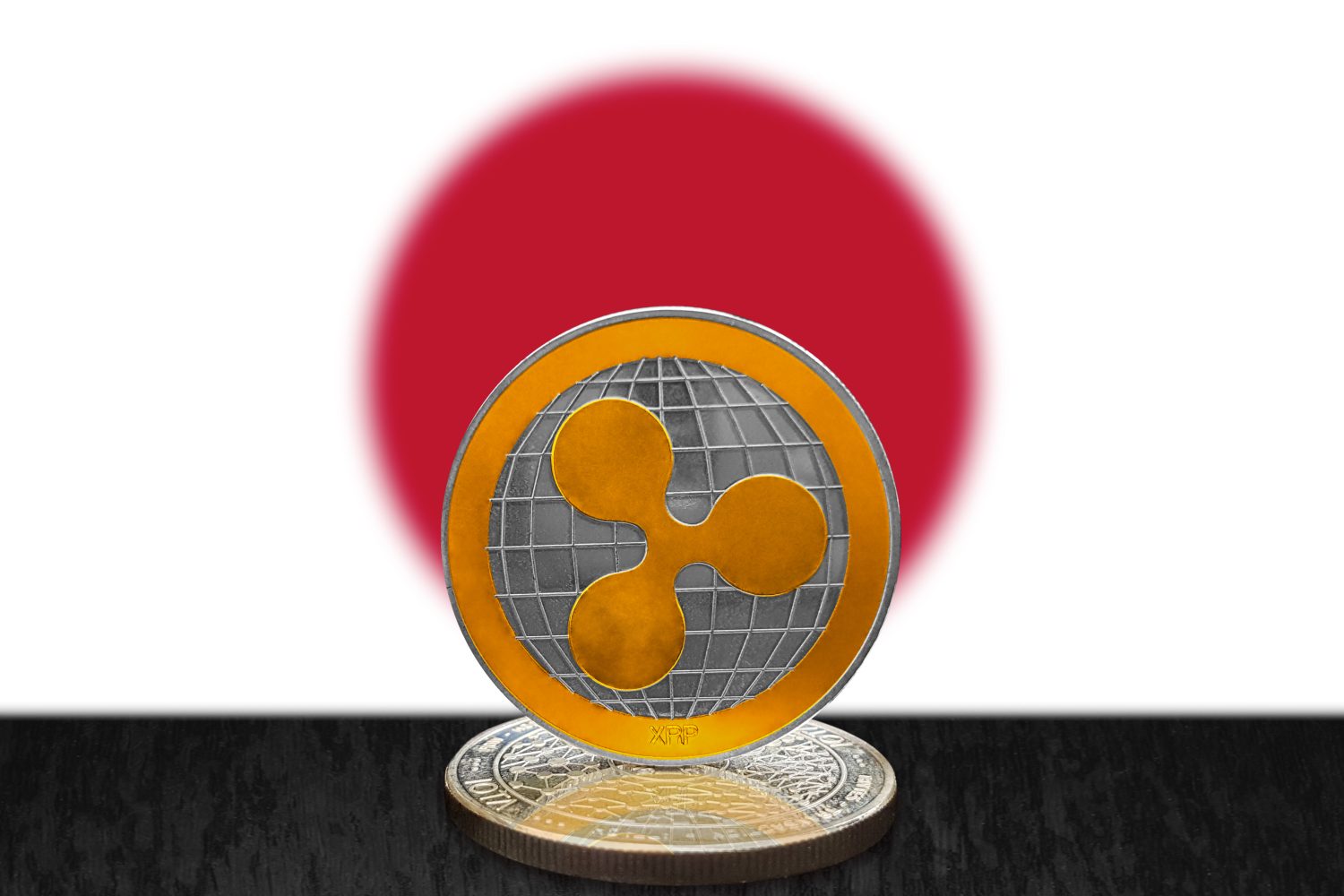
SBI Shinsei Bank, part of Japan’s SBI Group, started a three-month pilot on June 10 that gives depositors vouchers worth 20% of their interest payments, redeemable for Bitcoin, Ethereum, or XRP through the group’s exchange, SBI VC Trade. Roughly 4.33 million accounts are eligible, covering ordinary savings and fixed-term deposits, and Nikkei reports the bank plans to make the program permanent this fall if the pilot works.
Japanese deposit rates are low—SBI Shinsei’s headline product pays about 0.42% a year—and the reported reward tiers are small: a ¥1 million deposit (about $6,200) earns vouchers worth roughly ¥1,660 a year, which is around $10. No individual saver is moving the XRP market with that. But at the group level, every voucher redeemed in XRP is XRP that SBI VC Trade has to source, and this is a major bank deliberately routing millions of savers toward the token rather than just plugging into Ripple’s software the way Deutsche Bank and Société Générale have.
SBI’s position here isn’t new, either: SBI Holdings has been Ripple’s closest financial ally for years, holds a stake in Ripple itself, and has previously offered XRP as a shareholder benefit. That history is why XRP made the voucher list next to Bitcoin and Ethereum. It also makes SBI the closest thing to a yes you’ll find: one big financial group genuinely holds and distributes XRP, and it has been doing it for years in Japan.
Are Big Banks Buying XRP Right Now?
Big banks aren’t buying XRP in any size the public record supports. The biggest disclosed buyer turned out to be a trading desk, the newest entrant bought less than many retail holders own, and the banks in the partnership headlines settle in RLUSD while XRP collects fees.
Moreover, the legal excuse banks have for not deploying XRP is mostly gone. The SEC and CFTC jointly classified XRP as a commodity back in March, and the balance-sheet buying still hasn’t come, which suggests the holdup is no longer permission but the lack of a business case for holding the token.
The next checkable receipt is due in mid-August, when Q2 13F filings arrive. Those will show whether any bank bought XRP exposure as the price fell below $1.20 this quarter, and buying the drop would say far more than anything announced in a press release.
Until a filing shows a major bank holding the token in meaningful size, the honest way to read every new bank headline is as a win for Ripple’s infrastructure, with the XRP buying still ahead, if it ever arrives.
Contact [email protected] for any questions or corrections.
Sam Daodu is a crypto analyst who's spent nearly a decade making blockchain understandable—no easy task when most whitepapers read like fever dreams. He writes for 24/7 Wall St., covering Bitcoin, altcoins, and crypto market analysis for investors. Before crypto, he was a tech writer (back when explaining "the cloud" was peak innovation). Since 2018, he's written for CoinTelegraph, Yahoo Finance, The Block, Cryptonews, Zypto, Rain, and more—basically anywhere people want crypto news without the headache. Sam runs MacLabs Marketing, a content agency for crypto brands tired of sounding like AI wrote their website. He also publishes free crypto education on his site for Web3 enthusiasts who think "gas fees" is a typo. When he's not writing or staring at charts, Sam's either: - Watching anime (currently convinced One Piece has better tokenomics than most altcoins) - At the gym sculpting himself into a Greek god - Listening to the music your mum warned you only bad boys listen to Connect: LinkedIn | Email | MacLabs Marketing