Zcash Is Up More Than 2,000% in a Year While XRP, Solana and Cardano Are All Down. What Zcash Has That They Do Not.
Zcash has left XRP, Solana, and Cardano in the dust with a staggering rally that no other major altcoin came close to matching, and the reasons behind it point to a shift in what institutional investors now want from crypto.

This post may contain links from our sponsors and affiliates, and Flywheel Publishing may receive compensation for actions taken through them.

Zcash (CRYPTO:ZEC) has delivered one of the biggest rallies in crypto, gaining more than 2,000% over the past year while major altcoins such as XRP (CRYPTO:XRP), Solana (CRYPTO:SOL) and Cardano (CRYPTO:ADA) have struggled. The gap is striking because all four coins have benefited from the broader crypto recovery, yet only Zcash has turned that momentum into an extraordinary rally.
Meanwhile, the other three tokens face different challenges despite having larger ecosystems and stronger name recognition. So, what is driving Zcash’s outperformance, and can it continue as more investors chase the rally?
Why Has Zcash Gained More Than 2,000% While XRP, Solana and Cardano Fell?

Zcash price gained over 2,400% over the past year while the rest of the altcoin market fell. XRP fell 52.57%, Solana fell 49.31%, and Cardano dropped roughly 73.54%. All three trade well below where they stood a year ago, while Zcash holds its highest price since 2016, when it briefly reached $5,941.80. Zcash’s market cap has grown to $21.75 billion, the largest of any privacy coin and the 10th-largest of any cryptocurrency.
Zcash rallied after Grayscale converted its Zcash Trust into a spot ETF listed on NYSE Arca, and ZEC climbed to $1,249 in the days that followed. A subsidiary of Digital Currency Group placed a non-binding order for 200,000 ZEC through the same trust, adding a second signal of institutional demand.
Developers also deployed the Ironwood upgrade after a shielded-pool vulnerability surfaced in June and forced a sharp price drop, and roughly 176,000 ZEC moved into the new shielded pool on its first day. Privacy coins as a group gained 213% since Bitcoin’s October 2025 high, the only sector still trading above its 2025 peak.
What Does Zcash Have That XRP, Solana and Cardano Do Not?
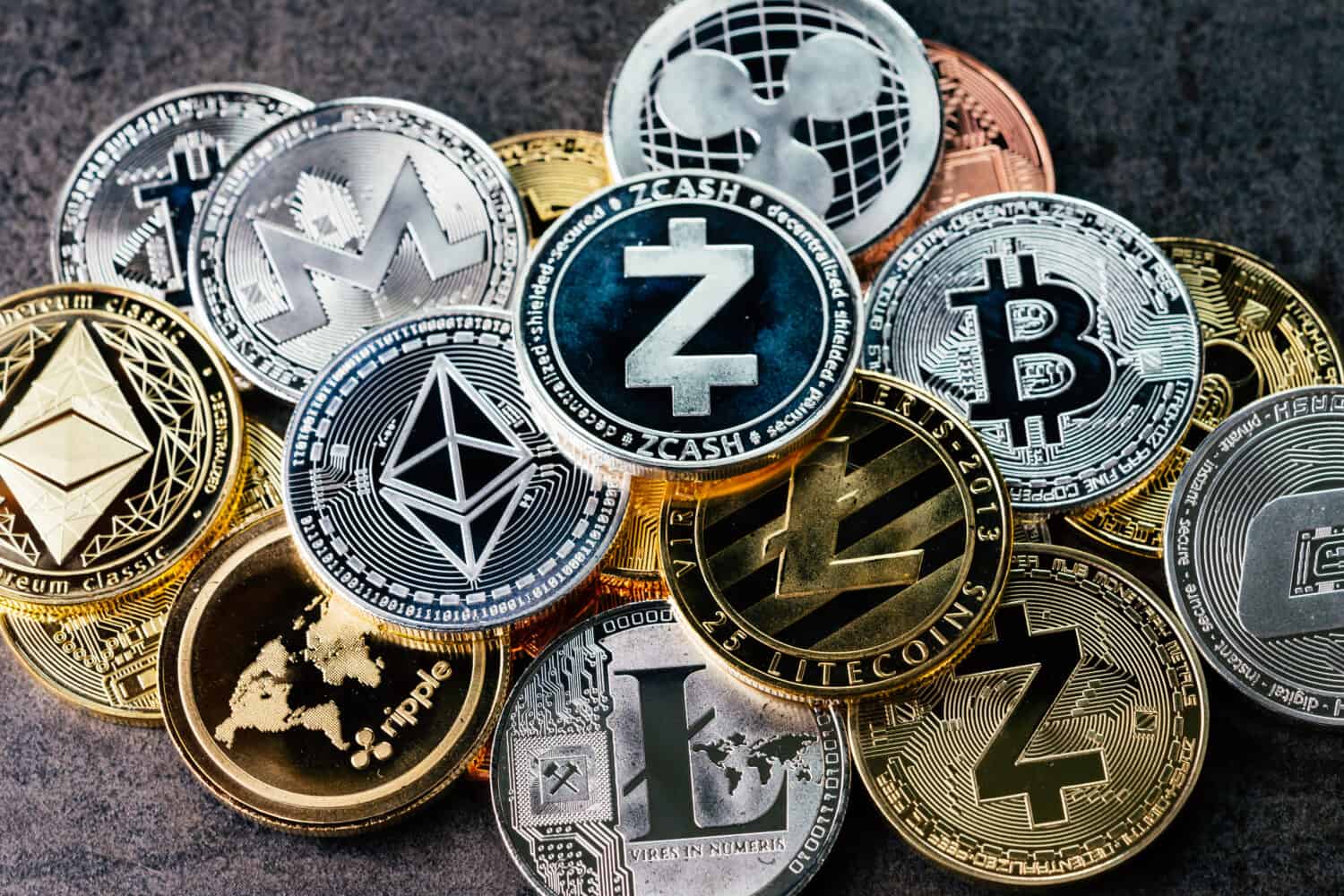
Transactions on Zcash can move through a shielded pool that hides the sender, receiver, and amount, or through a transparent pool that behaves like a normal public ledger, a choice most major cryptocurrencies don’t offer. Zcash’s privacy feature is becoming more widely used, with shielded addresses now holding about 30% of ZEC’s total supply, up from 8% in early 2024. XRP, Solana and Cardano, by comparison, expose every transaction, wallet balance and holder history on fully public ledgers.
Privacy alone, however, does not explain why Zcash has attracted so much attention. Investors also have access to a regulated, exchange-listed Grayscale vehicle that can be held through brokerages and retirement accounts. That gives Zcash a level of regulated market access that some other privacy coins lack. XRP, meanwhile, still needs the Senate to advance the CLARITY Act, and Galaxy Research gives the bill just a 10% chance of passage in 2026.
Zcash also has a supply structure that strengthens the scarcity argument. The network halved its issuance rate in November 2024, cutting annual inflation from about 4% to about 2%. Its total supply is capped at 21 million coins, matching Bitcoin’s ceiling. XRP, Solana and Cardano do not offer the same combination of a hard supply cap and falling issuance.
That scarcity becomes more significant when combined with the amount of ZEC already outside active trading. Along with coins held in the shielded pool, Grayscale’s ETF holdings mean roughly 35% of ZEC’s supply now remains outside active trading. Solana has no comparable supply cap, while its price remains about 64% below the $294 high it reached in January 2025 despite steady network growth. Cardano has 45 billion tokens in circulation and trades near $0.21, far below its $3.09 high from September 2021. XRP’s supply also changes as Ripple Labs releases coins from escrow, a structure that continues to raise centralization concerns.
Can Zcash Keep Outperforming the Major Altcoins?
Zcash has already pulled far ahead of XRP, Solana, and Cardano, but its next move will depend on whether the demand behind the rally can continue. The key question is whether ZEC can attract enough new buying to support its much higher valuation. A major test will be whether Zcash’s ETF continues to bring fresh money into the market. Grayscale’s spot Zcash ETF began trading in August, giving investors a regulated way to gain exposure to ZEC. That could create a new source of demand if inflows build in September.
The rally also faces a tougher test because Zcash has moved so quickly. ZEC’s rise has already made it a much larger part of crypto collateral, while futures activity has added leverage to the market. If ETF demand keeps growing and leverage cools, Zcash could continue leading. If new buying slows, however, traders taking profits could turn the momentum that pushed ZEC higher into selling pressure.
Contact [email protected] for any questions or corrections.
Sam Daodu is a crypto analyst who's spent nearly a decade making blockchain understandable—no easy task when most whitepapers read like fever dreams. He writes for 24/7 Wall St., covering Bitcoin, altcoins, and crypto market analysis for investors. Before crypto, he was a tech writer (back when explaining "the cloud" was peak innovation). Since 2018, he's written for CoinTelegraph, Yahoo Finance, The Block, Cryptonews, Zypto, Rain, and more—basically anywhere people want crypto news without the headache. Sam runs MacLabs Marketing, a content agency for crypto brands tired of sounding like AI wrote their website. He also publishes free crypto education on his site for Web3 enthusiasts who think "gas fees" is a typo. When he's not writing or staring at charts, Sam's either: - Watching anime (currently convinced One Piece has better tokenomics than most altcoins) - At the gym sculpting himself into a Greek god - Listening to the music your mum warned you only bad boys listen to Connect: LinkedIn | Email | MacLabs Marketing