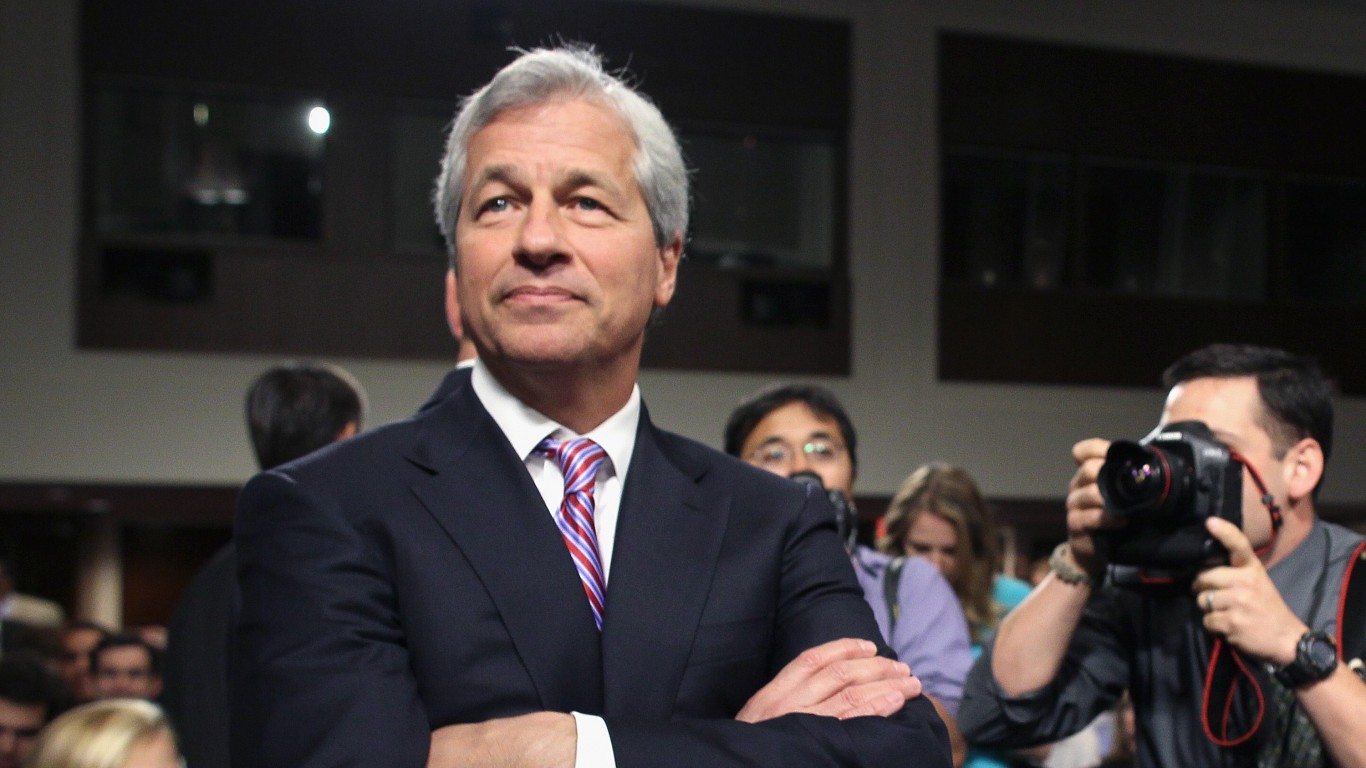
Ethereum Falls to $2,400 as the CLARITY Act Fails in the Senate
The Senate's failure to advance crypto legislation left Ethereum's staking and DeFi rules in limbo just as a looming Federal Reserve rate decision puts a critical technical support level to the test.


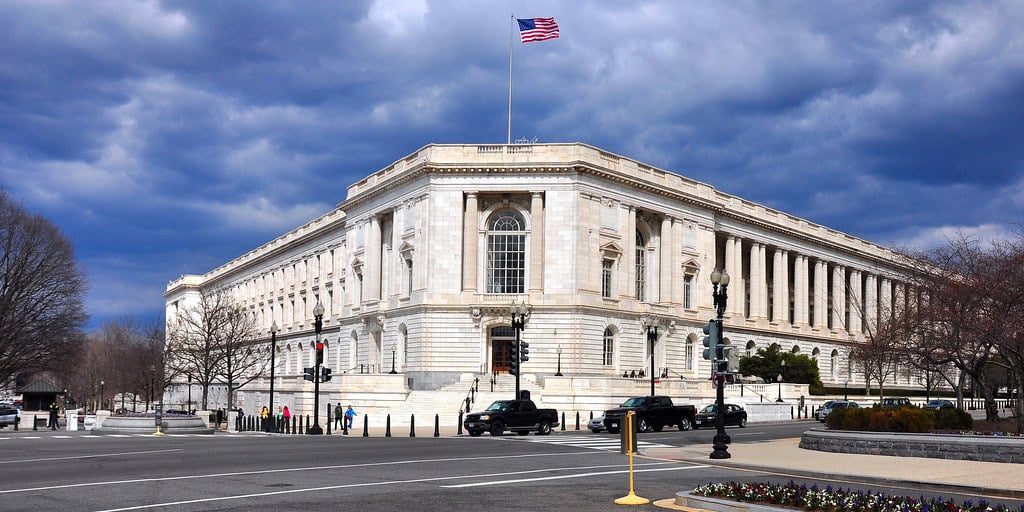
Ethereum (CRYPTO:ETH) trades at $2,402, back near its pre-August rally level after the Senate failed to advance the CLARITY Act on September 15, 2026. The cloture vote fell 49–50, ten votes short of the 60 needed to move the bill forward. All Democrats voted against it, including the seven who had negotiated the text for months, while Republicans Moran, Paul, Hawley and Tillis also voted no.
For Ethereum, that leaves the bill’s proposed rules on staking, DeFi and stablecoin yields unresolved rather than changed. Those provisions now await another attempt at legislation, while ETH is testing its last major support before the Federal Reserve’s rate decision. With markets pricing in a rate hike, the immediate question is whether buyers defend support or the technical setup breaks first.
What the CLARITY Act Would Have Settled for Ethereum
Staking remains one of Ethereum’s biggest unresolved regulatory questions. Whether staked ETH and staking-as-a-service should be treated as securities has remained contested at the SEC since 2023, and the SEC and CFTC’s March 17, 2026 joint interpretation did not settle the issue. That leaves U.S. custodians and staking providers operating without a definitive federal position on how to classify those services.
Republican leaders released a revised version of the CLARITY Act on September 13, adding ethics restrictions to address Democratic concerns about public officials profiting from crypto ventures. Those changes failed to win enough support, and the bill never reached a vote on its broader market-structure and DeFi provisions because cloture failed first.
Stablecoin yields are another unresolved issue. The bill included provisions affecting how dollar-pegged assets could generate returns, with implications for Ethereum-based lending protocols such as Aave and Compound. With the legislation stalled, existing products continue under the current regulatory framework, leaving future rules on stablecoin yields open to Congress and the regulators.
Three Ethereum Drivers the Senate Vote Did Not Change

Ethereum’s institutional demand continued despite the legislative setback. U.S. spot Ethereum ETFs recorded $216 million in inflows on September 11 and $824 million during the week of August 24, according to SoSoValue. BlackRock’s iShares Ethereum Trust (NASDAQ:ETHA) accounted for a large share of those flows. Because the funds hold ETH through custodians, sustained ETF inflows create another source of demand that is separate from progress in Congress.
BitMine also continues to build its Ethereum treasury. The company holds 5,956,378 ETH, or roughly 4.9% of the total supply, after buying for about 67 consecutive weeks since June 30, 2025. Unlike ETF flows, which can shift with investor demand, a corporate treasury can keep accumulating under its own capital-allocation strategy.
Ethereum’s development roadmap is also independent of the Senate calendar. The Glamsterdam upgrade is scheduled to activate on the Sepolia testnet on October 6, 2026, giving developers a final test before a potential mainnet rollout. Its changes to network capacity and staking mechanics will shape Ethereum’s technical capabilities going into 2027 regardless of when Congress returns to crypto legislation.
Ethereum Holds Support at $2,405 Ahead of the Fed Meeting

The immediate support zone is $2,350 to $2,362, followed by $2,250, where put options are concentrated. A put pays out when an asset falls below a specified price, so the heavy hedging around $2,250 shows where traders are protecting against a deeper decline, although it does not guarantee a floor. Above the market, $2,484, $2,534 and $2,600 mark the main resistance levels from the August range.
Crypto analyst Ali Martinez identified a triangle pattern on September 13, with the setup remaining intact above $2,405 and a daily close below that level invalidating it. Intraday volume also points to heavy activity near the recent low, with the largest reading of 1,040 recorded around $2,380 and another elevated reading of 901 as buyers attempted to recover. Buyers have returned around $2,400, but have yet to reclaim $2,405 convincingly.
Ethereum also reacted more sharply than Bitcoin to September’s PPI and CPI reports. Over the same 24-hour period, ETH fell 3.23%, compared with 1.42% for Bitcoin and 3.67% for Solana, showing broader selling across crypto but greater pressure on higher-beta assets. The Federal Reserve’s upper policy-rate bound has held at 3.75% since December 2025, so today’s hike would end the longest rate hold of the current cycle.
The Fed Now Sets the Next Test
The CLARITY Act vote leaves Ethereum’s staking, DeFi, and securities-classification questions unresolved, while ETF inflows and BitMine’s continued accumulation provide separate sources of demand. The immediate technical line is $2,405, where a daily close below would invalidate the triangle identified by Ali Martinez.
The Federal Reserve has now raised its benchmark rate by 25 basis points to 3.75%-4.00%, ending the rate hold that began in December 2025. That decision, rather than the failed Senate vote, is now the latest major macro event for Ethereum, while the regulatory questions left by CLARITY remain unresolved.
Contact [email protected] for any questions or corrections.
Sam Daodu is a crypto analyst who's spent nearly a decade making blockchain understandable—no easy task when most whitepapers read like fever dreams. He writes for 24/7 Wall St., covering Bitcoin, altcoins, and crypto market analysis for investors. Before crypto, he was a tech writer (back when explaining "the cloud" was peak innovation). Since 2018, he's written for CoinTelegraph, Yahoo Finance, The Block, Cryptonews, Zypto, Rain, and more—basically anywhere people want crypto news without the headache. Sam runs MacLabs Marketing, a content agency for crypto brands tired of sounding like AI wrote their website. He also publishes free crypto education on his site for Web3 enthusiasts who think "gas fees" is a typo. When he's not writing or staring at charts, Sam's either: - Watching anime (currently convinced One Piece has better tokenomics than most altcoins) - At the gym sculpting himself into a Greek god - Listening to the music your mum warned you only bad boys listen to Connect: LinkedIn | Email | MacLabs Marketing