The SEC and CFTC Say They Will Write Crypto Rules Without Congress. What Atkins and Selig Can Actually Do for XRP and Bitcoin.
With the CLARITY Act dead in the Senate and Congress sidelined, SEC Chair Paul Atkins and CFTC Chair Michael Selig just announced they will write crypto rules on their own. Here is what their actual legal authority means for XRP…

This post may contain links from our sponsors and affiliates, and Flywheel Publishing may receive compensation for actions taken through them.

The CLARITY Act needed 60 votes to advance in the Senate on Tuesday and got 50. A day later, the two regulators who’d been waiting on that bill said they’re done waiting.
SEC Chair Paul Atkins and CFTC Chair Michael Selig each posted statements within about two hours of each other on Wednesday, saying their agencies will write crypto rules on their own authority.
With XRP (CRYPTO:XRP) trading near $1.31 and Bitcoin (CRYPTO:BTC) trading around $76,000, what can Atkins and Selig do for XRP and Bitcoin?
What Can Atkins and Selig Actually Do for XRP?
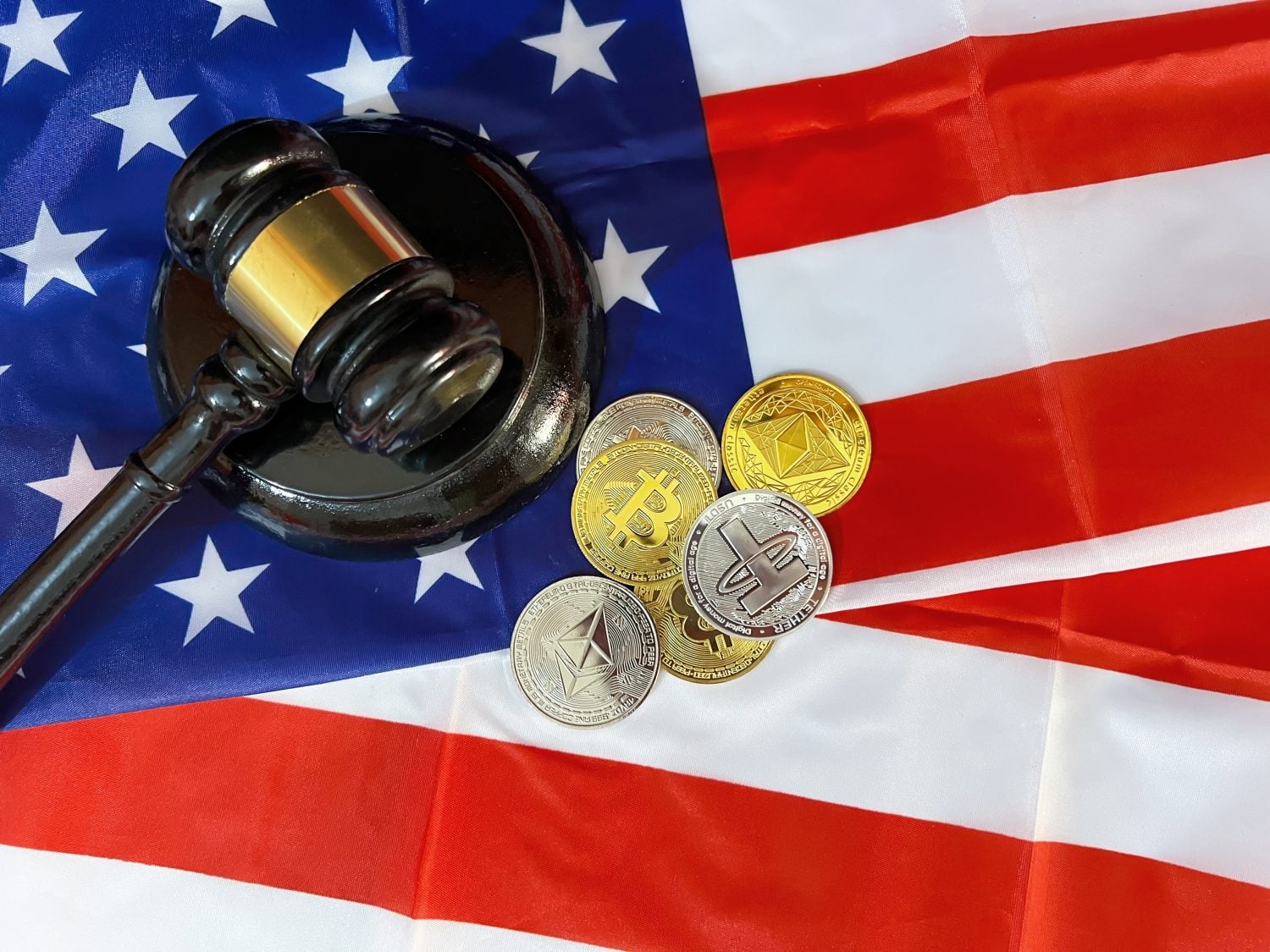
The CFTC already regulates commodities under the Commodity Exchange Act, and Selig has directed staff to draft rules for a purpose-built exchange registration category with rules for leveraged retail crypto trading. That registration category matters specifically for XRP because the token has never had a dedicated, CFTC-supervised venue the way Bitcoin futures have had since 2017. A finished rule could give exchanges a formal path to register XRP spot markets under CFTC oversight instead of operating in the gray zone the CLARITY Act was supposed to close.
On the SEC’s end, Atkins unveiled the agency’s Regulation Crypto Assets framework in March, and the SEC currently has an offering rule open for public comment until October 20 that would let crypto projects raise money under clearer disclosure requirements. That rule doesn’t resolve XRP’s history with the SEC on its own, but it gives Ripple and similar firms a defined process for future token offerings, rather than the case-by-case litigation risk that dominated the years before the SEC case settled.
What Can Atkins and Selig Actually Do for Bitcoin?

|sell Bitcoin directly. U.S. spot exchanges currently operate mainly under state money-transmitter licenses because the CFTC lacks the same clear authority over spot markets that it has over futures.
Selig’s proposed exchange registration category would address that gap. If adopted, Bitcoin spot exchanges could register with the CFTC and follow rules covering market integrity, financial resources and operational safeguards, similar to regulated futures markets. Selig has also asked staff to develop rules for leveraged retail crypto trading, giving U.S. traders a regulated way to trade Bitcoin with borrowed money instead of using offshore platforms.
Neither Atkins nor Selig can assign XRP or Bitcoin a single, permanent legal classification written into federal law like the CLARITY Act. Atkins said as much himself in March, calling agency rulemaking a head start on legislation rather than a replacement. Atkins and Selig can only build the closest available substitute using authority they already have.
Could New SEC and CFTC Rules Push XRP And Bitcoin Higher?
New rules from the SEC and CFTC could help XRP in the near term, and we’re calling that a moderate move, with the CLARITY Act stalled and both agencies just beginning rulemaking. Selig’s exchange registration category is only directed to staff, and the SEC’s own offering rule doesn’t close for public comment until October 20.
Bitcoin’s reaction is likely to be even more muted than XRP’s in the short term, since Bitcoin’s legal status was never in question. So, the benefit for Bitcoin would show up gradually, in exchange infrastructure, rather than in a single announcement-driven price move the way a fresh commodity designation could move XRP.
The bigger move for XRP would come from confirmation that the rulemaking actually reaches the finish line. If the CFTC formally proposes its exchange registration category with XRP explicitly eligible under it, or if a federal court upholds the CFTC’s authority to run that category against an expected industry challenge, XRP would gain something closer to the permanent legal footing the CLARITY Act was written to provide.
We’d change our view if Congress revives the CLARITY Act with a new procedural vote before the CFTC finishes its rule, since a statute would settle the question these agencies can only partly answer on their own. Sen. Thom Tillis changed his vote on Tuesday’s cloture motion as a procedural step that keeps the bill alive for reconsideration rather than closing it out, so that path hasn’t fully closed. Until either the CFTC’s rule or a revived CLARITY Act is passed, XRP’s regulatory case remains a work in progress rather than settled.
Contact [email protected] for any questions or corrections.
Sam Daodu is a crypto analyst who's spent nearly a decade making blockchain understandable—no easy task when most whitepapers read like fever dreams. He writes for 24/7 Wall St., covering Bitcoin, altcoins, and crypto market analysis for investors. Before crypto, he was a tech writer (back when explaining "the cloud" was peak innovation). Since 2018, he's written for CoinTelegraph, Yahoo Finance, The Block, Cryptonews, Zypto, Rain, and more—basically anywhere people want crypto news without the headache. Sam runs MacLabs Marketing, a content agency for crypto brands tired of sounding like AI wrote their website. He also publishes free crypto education on his site for Web3 enthusiasts who think "gas fees" is a typo. When he's not writing or staring at charts, Sam's either: - Watching anime (currently convinced One Piece has better tokenomics than most altcoins) - At the gym sculpting himself into a Greek god - Listening to the music your mum warned you only bad boys listen to Connect: LinkedIn | Email | MacLabs Marketing