Litecoin Soars 47% in a Month: Is Grayscale’s ETF Filing the Driving Force, or Is Litecoin Simply Bouncing Back?
Litecoin has left Bitcoin in the dust lately, but the forces driving that gap tell a more complicated story than a simple ETF headline suggests.

This post may contain links from our sponsors and affiliates, and Flywheel Publishing may receive compensation for actions taken through them.

Litecoin (CRYPTO:LTC) has experienced an impressive 47% increase in value over the past month, while Bitcoin (CRYPTO:BTC) has seen a more modest rise of about 7%. Several factors could be influencing this discrepancy.
One possibility is Grayscale’s recent filing on September 11, 2026, to convert its Litecoin trust into a spot exchange-traded fund (ETF). Another factor could be that Litecoin had previously suffered larger declines than Bitcoin over the past year and is now making a stronger rebound, possibly stimulated by borrowed funds.
Currently, Litecoin is trading at $74, having gained 3.8% today. Its remarkable 28% increase over the past week makes it the standout performer among the cryptocurrencies we track. In contrast, Bitcoin is priced at $84,148, reflecting its own rally driven by trading activity. Understanding the key reasons behind Litecoin’s surge is essential for gauging how sustainable this growth might be.
A $5.7 Billion Coin Bouncing From a Deeper Low Accounts for Much of the Difference
With a market cap of around $5.7 billion, Litecoin is still significantly smaller than Bitcoin, which has a market value of approximately $1.69 trillion. This smaller size means that even minor investments can greatly impact Litecoin’s price. When buyers enter the market, their purchases can push Litecoin’s price up more sharply than Bitcoin’s, due to having fewer sell orders close to its current price.
Moreover, Litecoin had more room to recover. Year-to-date, it is down 6%, whereas Bitcoin is down 4%. Over the past year, Litecoin has dropped 31%, compared to Bitcoin’s decline of 23%. Looking back five years, Litecoin is down 51%, while Bitcoin has gained 99%.
A closer look at Litecoin’s recent price movements highlights its struggles—it started at $42 on June 30, climbed to $44 by July 31, and reached $49 by August 31, before the current monthly rally began.
Despite peaking at $80 in September, it still falls short of its January high of $85. Additionally, Litecoin’s last close of $72 is below the year-end figure of $77 from December 31, 2025, indicating that despite this strong month, Litecoin is still down for the year.
Grayscale Filed on September 11, and the Existing Litecoin ETF Has Just $8.6 Million
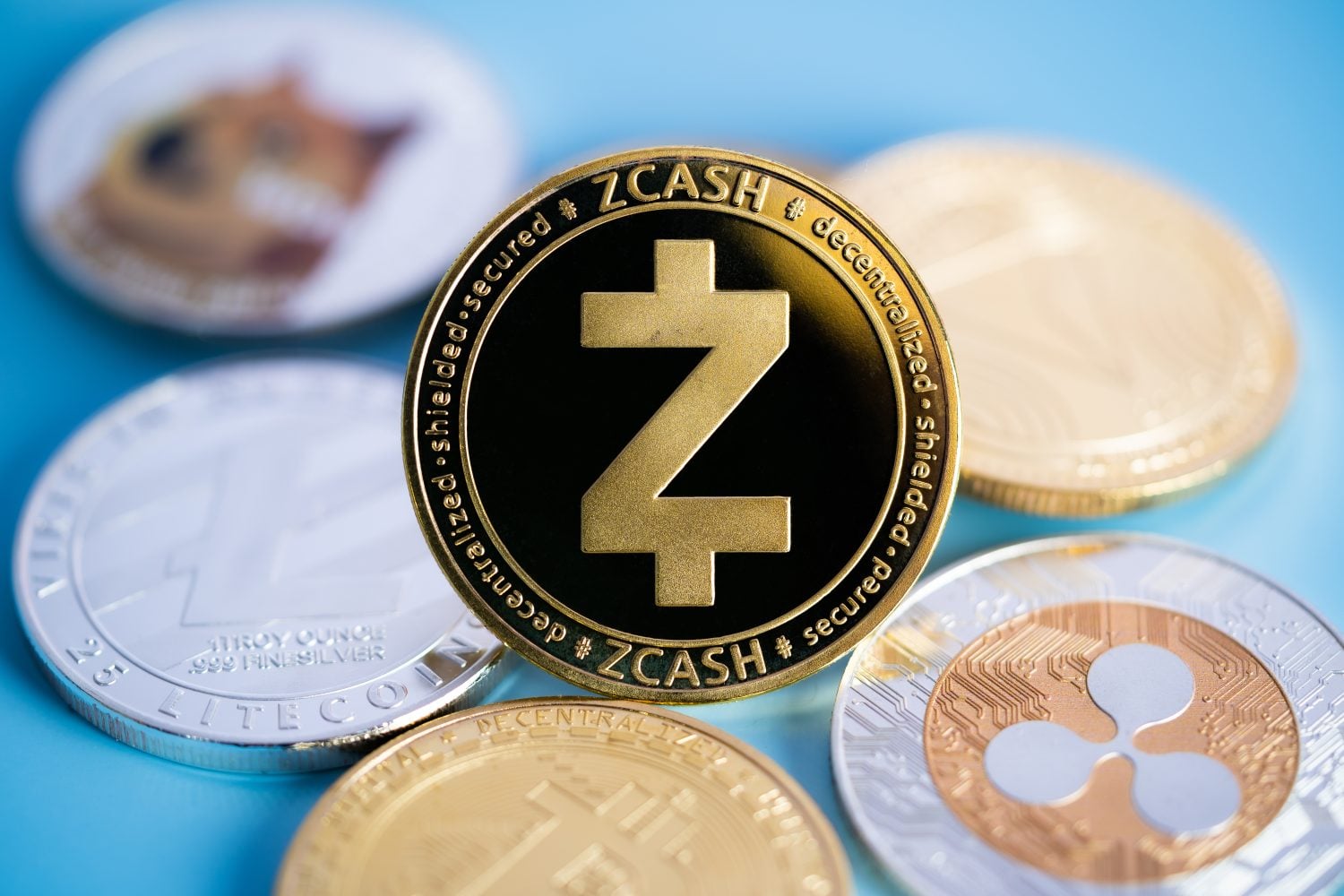
A spot ETF allows investors to gain exposure to the actual cryptocurrency through a regular brokerage account. On September 11, Grayscale submitted an amended registration statement to the SEC to convert its eight-year-old Litecoin trust into an ETF listed on the NYSE Arca. This filing is just a request, and the SEC has not yet approved it or given a timeline for its decision.
While the potential demand signaled by this filing is noteworthy, it’s important to note that an existing spot Litecoin ETF—the Canary Capital fund—only had about $8.6 million in net assets as of September 22. Its largest single inflow occurred on September 25, when 39,000 LTC worth around $2.8 million was added.
Collectively, all U.S. Litecoin funds hold a record total of 175,000 LTC, valued at roughly $13 million according to Glassnode. Given Litecoin’s $5.7 billion market cap, this amount is relatively small, suggesting that fund purchases alone cannot fully account for the cryptocurrency’s 47% monthly surge. However, the headlines created by Grayscale’s filing stirred immediate reactions from traders, boosting prices even before any official approval.
Futures Open Interest Is Back Near Its January Peak, and January Ended at $53

Open interest, which reflects the value of open futures contracts, has surged to about $670 million—an increase of $270 million in just a week and more than doubling since its June lows. This figure is nearing the January 2026 peak of $690 million, indicating a nearly 25% rise over the past week, as reported by Glassnode. This suggests that traders are taking on more leveraged positions instead of merely watching their existing investments grow.
Using leverage means borrowing money, which can amplify gains but also losses. A crowded futures market raises the risk of sharp price reversals. If prices drop, exchanges may close out leveraged positions when buyers can no longer provide collateral, leading to further price declines. The last time open interest reached similar levels in January, Litecoin’s price dropped from $80 to around $53 in the subsequent weeks.
Activity on the Litecoin network further reflects this trend, with over $1 billion (more than 17 million LTC) moving across the network in a single day on September 24. However, it’s crucial to note that transactions within an exchange’s wallets are included in that total, making it challenging to determine who is involved.
Is Litecoin Catching Up or Riding the Wave of Grayscale’s Filing?
In summary, the surge in Litecoin’s price raises important questions. Is it merely catching up after a year of more considerable declines, or is Grayscale’s ETF filing the catalyst behind this impressive growth? Understanding the factors at play will be vital for predicting Litecoin’s future performance.
Contact [email protected] for any questions or corrections.
Sam Daodu is a crypto analyst who's spent nearly a decade making blockchain understandable—no easy task when most whitepapers read like fever dreams. He writes for 24/7 Wall St., covering Bitcoin, altcoins, and crypto market analysis for investors. Before crypto, he was a tech writer (back when explaining "the cloud" was peak innovation). Since 2018, he's written for CoinTelegraph, Yahoo Finance, The Block, Cryptonews, Zypto, Rain, and more—basically anywhere people want crypto news without the headache. Sam runs MacLabs Marketing, a content agency for crypto brands tired of sounding like AI wrote their website. He also publishes free crypto education on his site for Web3 enthusiasts who think "gas fees" is a typo. When he's not writing or staring at charts, Sam's either: - Watching anime (currently convinced One Piece has better tokenomics than most altcoins) - At the gym sculpting himself into a Greek god - Listening to the music your mum warned you only bad boys listen to Connect: LinkedIn | Email | MacLabs Marketing