Which Solana ETF Is the Best Choice? Bitwise Captures 68% of Last Week’s Record $188 Million
Seven Solana ETFs hold the exact same underlying asset, yet one fund is pulling in the lion's share of investor dollars. The fee structures and fund sizes reveal a clear winner, but the runner-up choices suit specific investors for surprising…

This post may contain links from our sponsors and affiliates, and Flywheel Publishing may receive compensation for actions taken through them.

The Bitwise Solana Staking ETF (NYSE:BSOL) attracted about $128 million of a record $188 million in inflows into U.S. spot Solana (CRYPTO:SOL) ETFs during the week ending September 25, 2026. This strong interest suggests most buyers seeking the best Solana ETF chose Bitwise, even though all seven funds benefiting from inflows are backed by the same underlying cryptocurrency.
In comparison, the Grayscale Solana Trust ETF (NYSEARCA:GSOL) saw inflows of $28 million, while the Fidelity Solana Fund (CBOE:FSOL) attracted $18 million. The remaining $14 million was divided among Morgan Stanley, VanEck, Franklin Templeton, and 21Shares. With all funds holding the same SOL, the question arises: Is Bitwise the best Solana ETF, or just the most popular one?
Bitwise Has Taken 75% of All Solana ETF Inflows Since Launch
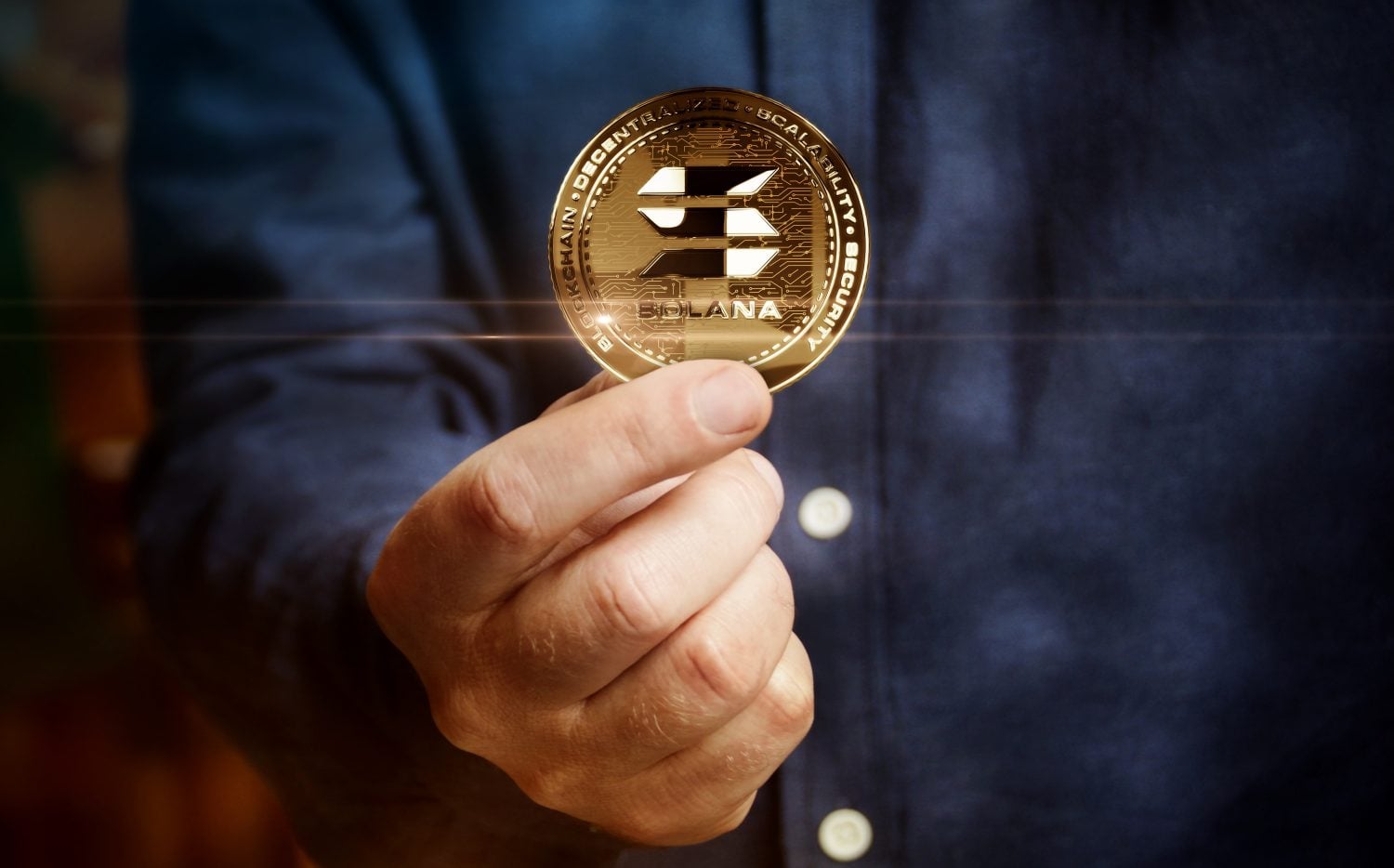
On September 25 alone, Solana ETFs collectively attracted around $87 million, marking their largest single-day inflows since the launch of spot Solana ETFs in October 2025. Bitwise nabbed $56 million from that total, while Grayscale brought in $19 million. This means that Bitwise garnered nearly two-thirds of the funds on that record-setting day.
Bitwise’s success didn’t happen overnight. Since its launch, the fund has accounted for about $1.2 billion of the total $1.6 billion in net inflows for Solana ETFs, representing roughly 75%. This past week continued an ongoing trend of consistent inflows, allowing these funds to buy even more SOL.
However, Solana ETFs still lag behind the leading cryptocurrencies in terms of investment. For context, U.S. Bitcoin ETFs attracted around $2.4 billion during the same week, nearly 13 times more, while Ether funds drew in about $690 million—nearly four times as much.
Fees and Fund Size Decide the Best Solana ETF
A spot Solana ETF purchases SOL and stores it with a custodian. This arrangement lets investors hold shares in a regular brokerage account without needing a crypto wallet. Bitwise, Grayscale, and Fidelity also stake their SOL, which involves locking up the coins to help validate network transactions in return for rewards.
With the same underlying asset, the yearly management fee is the main differentiator. Bitwise charges a low fee of 0.20%, Fidelity charges 0.25%, and Grayscale has the highest at 0.35%. For a $10,000 investment, this translates to annual fees of approximately $20 for Bitwise, $25 for Fidelity, and $35 for Grayscale.
Additionally, larger funds typically trade more shares, which tends to keep their share prices closer to SOL’s value. Therefore, in terms of both fees and total assets, Bitwise’s BSOL stands out among the three major funds.
Grayscale and Fidelity Each Suit a Different Kind of Solana Investor

Grayscale’s GSOL boasts a longer track record, as it operated as a trust before converting into an ETF. Its $28 million in inflows that week indicates that the established name still attracts buyers, even though it carries the highest fees of the three.
Meanwhile, Fidelity’s FSOL raised $18 million, largely because of its convenience. Fidelity allows customers to view their Solana investments alongside their stock holdings, and its 0.25% fee is only $5 more than Bitwise’s annual fee for a $10,000 investment.
On the other hand, the Invesco Galaxy Solana ETF (QSOL) registered no inflows that week, and funds with less new investment often trade fewer shares.
Solana Still Trades 60% Below Its Record Despite ETF Inflows

Despite the influx of funds into ETFs, SOL has not seen significant price recovery. Currently trading around $118, it remains about 60% below its all-time high of $293 from January 2025. For SOL to reclaim that peak, its price would need to increase by approximately 2.5 times.
As of September 25, U.S. Solana ETFs held roughly $2 billion in net assets, while the total market value of all SOL in circulation stands around $70 billion. This means the ETFs hold less than 3% of Solana’s total market value, with crypto exchange traders primarily setting prices.
Meanwhile, developers are working on the Alpenglow upgrade, which aims to significantly reduce the time it takes for a Solana payment to be finalized—from about 12.8 seconds to 150 milliseconds. The upgrade reached a second public test network on September 25, but no mainnet launch date has yet been announced by the leading developer, Anza.
Which Is the Best Solana ETF After the Record Week?
Based on the record week’s inflows, Bitwise’s BSOL appears to be the best Solana ETF for most investors. With the lowest fees among the three major funds and a significant share of overall inflows, it clearly stands out. Fidelity’s FSOL may appeal to its unique customer base, and while Grayscale has a strong reputation, its higher fees may deter some buyers.
Ultimately, for now, Bitwise takes the crown as the best Solana ETF. However, this could change if Grayscale or Fidelity decide to lower their fees below 0.20%, or if Bitwise’s share of new inflows drops significantly as the year progresses. Importantly, all these funds continue to move in sync with SOL, meaning investors should be aware that choosing any of these funds does not protect against the inherent risks tied to market fluctuations.
Contact [email protected] for any questions or corrections.
Sam Daodu is a crypto analyst and the editor of 24/7 Wall St.'s Crypto Desk, where he covers Bitcoin, XRP, Ethereum, Solana and the altcoins investors search for most. His work focuses on price levels, spot ETF flows, on-chain data and the regulatory decisions that move crypto markets, written so a first-time buyer and a seasoned trader can both use it.
Sam has written about crypto professionally since 2019 and has published more than 2,000 articles. Before joining 24/7 Wall St., he wrote for crypto media outlets and Web3 companies and ghostwrote for crypto founders and token launches. His analysis is syndicated on Yahoo Finance, MSN and AOL and has been cited by other crypto news sites. He also founded MacLabs Marketing, a content and personal branding agency for crypto founders and executives.
When he isn't reading charts, Sam is usually at the gym or watching One Piece, a series he maintains has better tokenomics than most altcoins.