Is Avalanche a Smart Investment in 2026? What It Has to Prove That Solana Already Did
Avalanche just posted a stunning one-month surge while Solana coasts along, but a closer look at the numbers reveals whether this rally signals a genuine comeback or a fleeting bounce before deeper losses.

This post may contain links from our sponsors and affiliates, and Flywheel Publishing may receive compensation for actions taken through them.

Avalanche (CRYPTO:AVAX) has surged 59% in just a month but still trades 92% below its peak price. With these numbers in mind, is Avalanche a good investment in 2026? What does it need to prove to compete with Solana (CRYPTO:SOL), a cryptocurrency with an established track record?
As of September 30, 2026, Avalanche is priced at $11.15, while Solana sits at $118. Although Avalanche recently outperformed Solana—gaining 59% over the past month compared to Solana’s 16%—the key question remains: can Avalanche maintain this growth?
Traders often shift focus to coins that have experienced significant downturns, which can lead to quick rebounds. So, is Avalanche’s recent rally a sign of recovery or just a brief bounce amid larger declines?
Avalanche Is Up 78% in Three Months, Outpacing Solana’s 67%

In the last three months, Avalanche has gained 59% in one month, 81% in two months, and 78% in three months. In contrast, Solana has posted gains of 16%, 65%, and 67% in those same time frames. For investors, this means that a $1,000 investment in Avalanche three months ago is now worth about $1,780, while the same amount invested in Solana would now be approximately $1,665.
Avalanche’s recent surge comes after a prolonged period of decline, making its recovery noteworthy. Typically, assets that have dropped significantly tend to bounce back faster, and Avalanche seems to be doing just that.
Avalanche functions as a blockchain, serving as a public ledger that allows applications to run without a central authority. Developers can either create custom networks or build upon the main network. The AVAX token plays a dual role: it covers transaction fees and secures the network through a process called staking, where holders lock away their coins to help validate transactions.
Both Coins Have U.S. Spot ETFs, but Solana’s Hold Nearly $2 Billion

Both Avalanche and Solana now have U.S. spot ETFs available. VanEck launched the first U.S. spot Avalanche ETF on January 26, with other firms like Grayscale and Bitwise filing for similar products. This lets investors and brokerage clients buy both cryptocurrencies through ETFs that trade on stock exchanges.
However, Solana’s ETFs currently have a considerable edge in terms of investment. As of September 25, nine U.S. spot Solana ETFs held nearly $2 billion, per SoSoValue, and took in $153 million in the week ending August 31, their best week at the time. Goldman Sachs has emerged as a major institutional investor in Bitwise’s BSOL, the largest Solana ETF.
ETF investors can pull their funds quickly. In early September, Solana ETF inflows fell sharply by 96% in just one week. Despite this, Solana’s status as a popular blockchain that hosts the most tokenized stocks gives its funds a steady foundation.
Avalanche Is 92% Below Its 2021 Peak, While Solana Is 60% Below Its Record
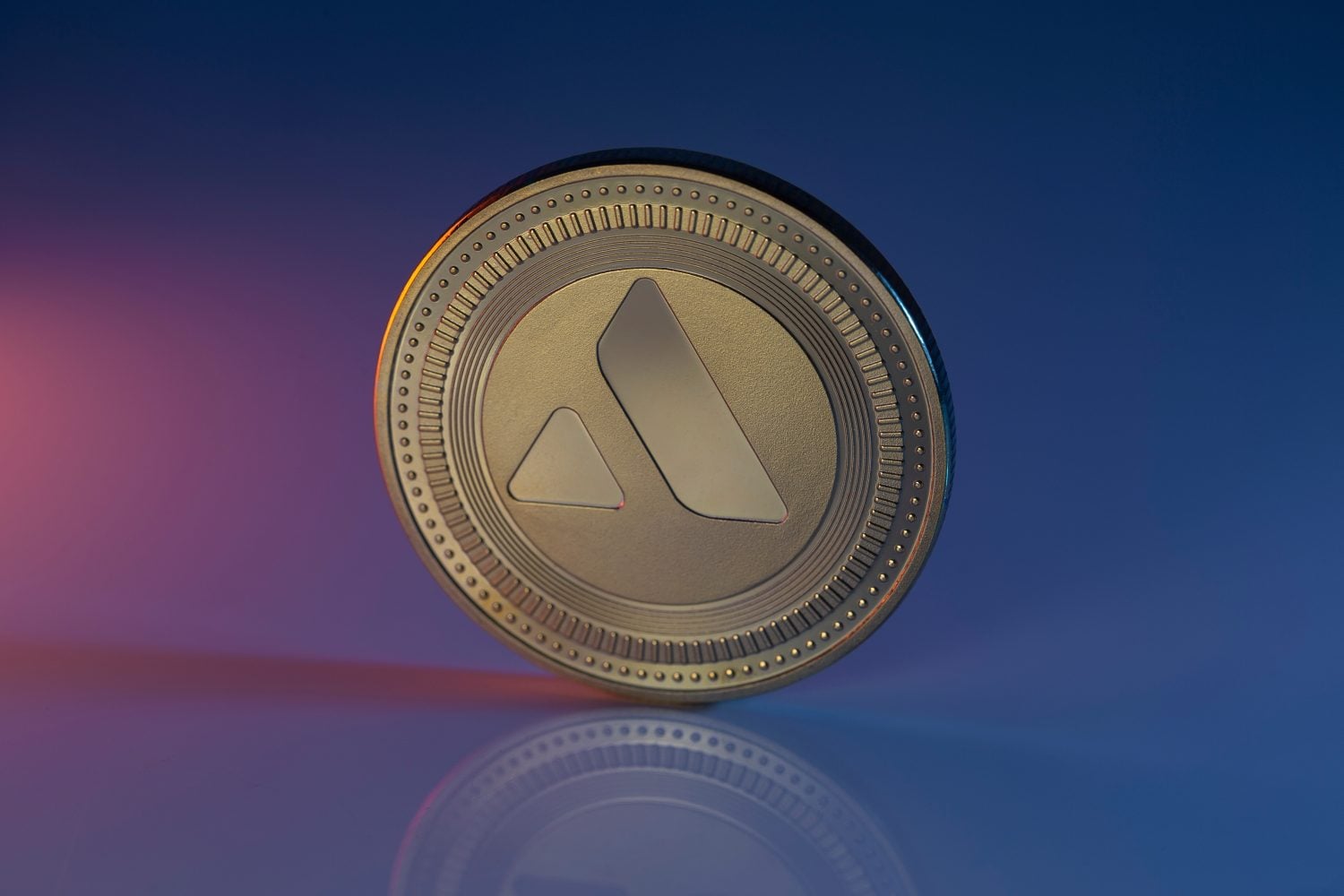
Avalanche hit a high of around $145 in November 2021 but is currently trading about 92% lower than that peak. Meanwhile, Solana reached an all-time high of $293 on January 19, 2025, and trades approximately 60% below that record. This performance gap means someone who invested $1,000 in Avalanche at its peak would now have only about $77, while Solana holders have retained much more value.
Avalanche has also fared worse over longer periods, losing about 61% over the past year and 82% over five years. By comparison, Solana is down about 42% year over year. For 2026 specifically, Avalanche has seen a slight drop of about 5%, while Solana has remained nearly flat with a modest loss of 1.6%.
Moreover, Solana has a market capitalization of roughly $70 billion, compared to Avalanche’s $4.9 billion—suggesting that investments can significantly affect Avalanche’s price because of its smaller market size.
Is Avalanche a Good Investment in 2026?
Right now, Avalanche does not appear to be a reliable long-term investment. While it has momentum on its side, Solana has already demonstrated stability with consistent performance and has attracted nearly $2 billion into its associated funds—two benchmarks that Avalanche has yet to meet.
Nonetheless, Avalanche could continue to outperform Solana if it gains traction in a rally. Smaller cryptocurrencies often experience more volatile swings, so if Avalanche surpasses $11.79, its price at the start of 2026—a 6% increase—could turn its 2026 performance positive. On the other hand, if it loses its recent gains while the broader crypto market remains low, this rally might be a temporary uptick in a longer-term downward trend.
Contact [email protected] for any questions or corrections.
Sam Daodu is a crypto analyst who's spent nearly a decade making blockchain understandable—no easy task when most whitepapers read like fever dreams. He writes for 24/7 Wall St., covering Bitcoin, altcoins, and crypto market analysis for investors. Before crypto, he was a tech writer (back when explaining "the cloud" was peak innovation). Since 2018, he's written for CoinTelegraph, Yahoo Finance, The Block, Cryptonews, Zypto, Rain, and more—basically anywhere people want crypto news without the headache. Sam runs MacLabs Marketing, a content agency for crypto brands tired of sounding like AI wrote their website. He also publishes free crypto education on his site for Web3 enthusiasts who think "gas fees" is a typo. When he's not writing or staring at charts, Sam's either: - Watching anime (currently convinced One Piece has better tokenomics than most altcoins) - At the gym sculpting himself into a Greek god - Listening to the music your mum warned you only bad boys listen to Connect: LinkedIn | Email | MacLabs Marketing