Solana Perpetual Futures Are Coming to Robinhood. Will a New Futures Venue Impact SOL’s Price?
Robinhood is bringing leveraged Solana trading to retail investors just as SOL surges off a two-month rally, raising a pointed question about whether a new futures venue adds fuel to the fire or simply hands traders a faster way to…

This post may contain links from our sponsors and affiliates, and Flywheel Publishing may receive compensation for actions taken through them.

Robinhood Markets (NASDAQ:HOOD | HOOD Price Prediction) has announced plans to introduce Solana perpetual futures for eligible U.S. customers. This new offering will give Solana (CRYPTO:SOL) traders a new platform for leveraged trading. The announcement was made at the HOOD Summit on September 29, 2026, alongside futures for other cryptocurrencies like Bitcoin (CRYPTO:BTC), Ethereum (CRYPTO:ETH), and XRP (CRYPTO:XRP). The new contracts are expected to launch in the coming months.
As of October 2, Solana is trading at $122, up 65% over the last two months, though it remains down 45% from a year ago. The question remains: will this new futures venue truly influence SOL’s price, or will it simply give traders another way to push it around? (FLAG: colon, “truly” and “simply”)
How Robinhood’s Solana Perpetual Futures and 3x Leverage Work
A perpetual future is a type of contract that mirrors the price of a cryptocurrency and doesn’t have an expiration date. Unlike traditional futures that settle on a set date, perpetual futures utilize a “funding payment” — a small fee exchanged between buyers and sellers to keep the contract price in line with the market price of Solana.
While Robinhood allows up to 10x leverage on Bitcoin and Ethereum, it limits leverage for Solana and the other six cryptocurrencies to 3x. With 3x leverage, a trader putting up $1,000 can control $3,000 worth of Solana. Therefore, a 10% change in Solana’s price could lead to a 30% gain or loss. If losses use up the initial investment, Robinhood will automatically close the position in a process known as liquidation.
Every contract has two sides. A trader who goes long profits if SOL’s price rises, while a trader who goes short benefits if the price falls. Robinhood settles the gains and losses in cash every 15 minutes, which means these contracts can introduce new positions to the market without changing the amount of SOL that holders possess. (FLAG: “It’s important to note” reads as AI phrasing)
CME Already Lists Solana Futures, but ETF Inflows Show the Buying
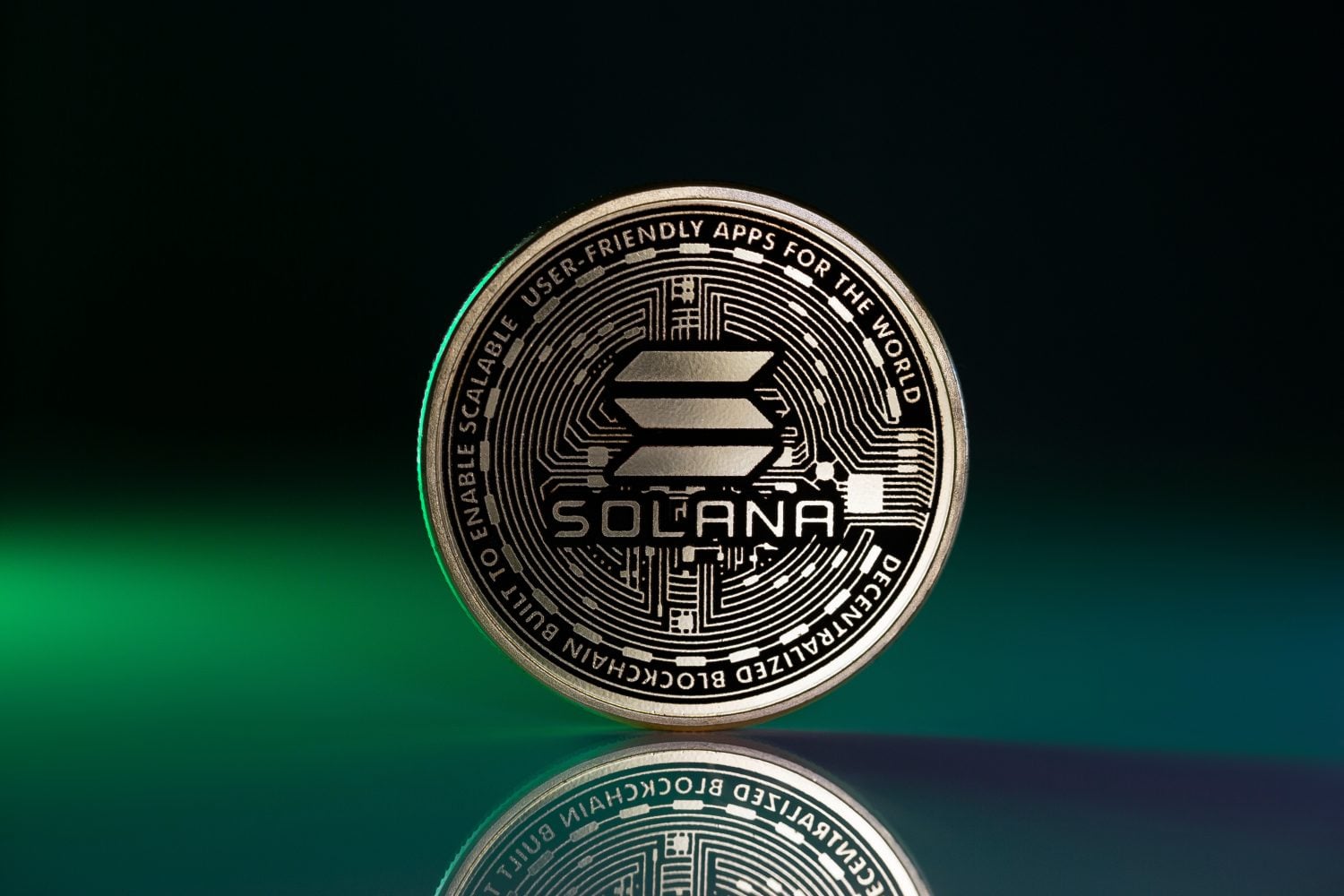
Currently, Solana already has a futures market. The CME Group launched Solana futures on March 17, 2025. After this launch, SOL’s price movements aligned with broader crypto trends, making it hard to isolate the impact of the new listing. With Robinhood entering the scene, the market gains an additional venue and offers perpetual contracts specifically for retail traders. (FLAG: “Currently” doubles up with “already”)
Recent fund flows provide clearer insights. U.S. Solana ETFs recorded a record $188 million in inflows in the week ending September 25, after 12 consecutive weeks of positive inflows through September 19. These ETFs purchase SOL to create new shares, thereby taking tokens off the market with each inflow.
Futures trading, however, measures something different. Open interest—the total value of contracts still in play—could rise on Robinhood, but this won’t necessarily reflect the actual amount of SOL held by long-term owners. Trading volumes may soar as perpetual futures attract more short-term traders who frequently open and close positions, unlike long-term holders. (FLAG: “actual” is on the banned list)
Leverage Could Make SOL’s Price Swing Harder in Both Directions
Introducing leveraged trading amid Solana’s price rally adds risk. After surging 65% in two months, traders who leverage their positions to capitalize on such momentum may find themselves forced out of their trades if prices reverse. (FLAG: gerund openers “Introducing” and “After surging”)
If Solana’s price drops, Robinhood and other platforms would liquidate leveraged long positions, driving the price down further. This can trigger a chain reaction of forced sales, often called a liquidation cascade. The process works similarly when short sellers are forced to cover their positions, amplifying price swings in both directions without bringing in new holders.
However, the 3x leverage cap limits the additional pressure from Robinhood traders. A Solana trader using 3x leverage can withstand about a 30% drop before liquidation, while a Bitcoin trader using 10x leverage faces liquidation after just a 10% drop.
Will Robinhood’s Solana Perpetual Futures Move SOL’s Price?
In summary, Robinhood’s introduction of Solana perpetual futures is unlikely to have a lasting impact on SOL’s price. While the contracts introduce new traders and add leverage, the overall supply held by current owners remains unchanged. The leverage cap on Solana also suggests that the added price swings from Robinhood’s Solana contracts will be smaller than from its Bitcoin and Ethereum contracts. (FLAG: “In summary” reads as AI phrasing)
For existing holders, these futures contracts may offer little insight into future price movements. Weekly ETF inflows will be a more telling sign.
If such inflows continue post-launch, it suggests new investments are entering the market alongside the leveraged trading. Conversely, if SOL dips below $118—around 3% lower than its price on October 2—while ETF inflows reverse into outflows, it may indicate leveraged positions are being liquidated, further pressuring the price.
Contact [email protected] for any questions or corrections.
Sam Daodu is a crypto analyst who's spent nearly a decade making blockchain understandable—no easy task when most whitepapers read like fever dreams. He writes for 24/7 Wall St., covering Bitcoin, altcoins, and crypto market analysis for investors. Before crypto, he was a tech writer (back when explaining "the cloud" was peak innovation). Since 2018, he's written for CoinTelegraph, Yahoo Finance, The Block, Cryptonews, Zypto, Rain, and more—basically anywhere people want crypto news without the headache. Sam runs MacLabs Marketing, a content agency for crypto brands tired of sounding like AI wrote their website. He also publishes free crypto education on his site for Web3 enthusiasts who think "gas fees" is a typo. When he's not writing or staring at charts, Sam's either: - Watching anime (currently convinced One Piece has better tokenomics than most altcoins) - At the gym sculpting himself into a Greek god - Listening to the music your mum warned you only bad boys listen to Connect: LinkedIn | Email | MacLabs Marketing