Texas Won Close to $12 Billion in Medicaid Funding. It Won’t Add $1 to Her Benefit, but It May Help Keep the Rural ER Open
Texas secured a massive Medicaid funding victory, but not a single dollar flows to the people holding Medicaid cards. Understanding where the money actually lands reveals something more important than a bigger benefit check.

This post may contain links from our sponsors and affiliates, and Flywheel Publishing may receive compensation for actions taken through them.
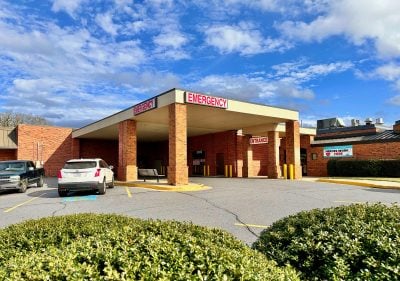
Picture a retired home health aide in a small Texas county watching the evening news. Texas just got nearly $12 billion in Medicaid funding restored, and she reaches the natural conclusion. If Austin landed its share of that kind of money, maybe her coverage gets richer, or a little extra shows up somewhere.
Her benefit stays unchanged. The money flows to providers. According to the governor’s office, the funding “authorizes nearly $12 billion for hospitals, physicians, rural clinics, nursing facilities, and behavioral health providers that serve patients in every region of our state.” What it may protect is an emergency room close enough to reach in time.
Where the Nearly $12 Billion Actually Goes
This is supplemental provider funding. Medicaid typically pays hospitals less than it costs them to treat patients, and this money helps hospitals close the gap between their Medicaid reimbursements and the actual costs they incur for treating low-income Texans.
The Centers for Medicare and Medicaid Services (CMS) halted the funding on Sept. 1, the start of Texas’ fiscal year. The move put billions in supplemental Medicaid payments to providers on hold.
The freeze marked the first time CMS had stopped the supplemental funding to Texas hospitals since the funding began in 2014. Hospitals faced reported losses of $27 million a day. The dispute centered on how Texas raises more than $4.2 billion in taxes to access those federal funds. Gov. Greg Abbott announced the funding would be restored on September 17, 2026, ending a near year-long dispute with the federal government.
Why a Medicaid Card Means Less Without a Nearby ER
Coverage works only when providers accept it. A rural hospital losing money on Medicaid patients has limited options: trim services, shutter units, or close entirely. In a county with one hospital, the backup becomes a long ambulance ride to the next town.
Nursing facilities face the same squeeze. A facility leaning heavily on Medicaid residents feels every gap between program payments and care costs. When that gap widens, families drive farther to visit or hunt for open Medicaid beds elsewhere.
Abbott framed the stakes clearly: “Emergency rooms will stay open, rural families will retain local care, and Texans will have access to the treatment they need.” The funding improves odds for struggling providers, though no particular hospital or nursing home is guaranteed survival. Hospital finances depend on staffing, patient volume, and commercial insurance mix.
Hospitals welcomed the news. “We can breathe a little easier today,” John Hawkins, president and CEO of the Texas Hospital Association, said.
How Texas Compares as Federal Caps Loom
Medicaid is state-administered, so every state builds its own supplemental payment system, funds its share differently and negotiates its own approvals with CMS. That means a Medicaid member in Oklahoma or Louisiana lives under a different set of provider payment rules than her cousin in Texas.
The pressure is getting wider. The 2025 One Big Beautiful Bill Act put new limits on state-directed Medicaid payments. A Health Affairs analysis estimates those caps could reduce Medicaid spending by amounts equal to 10% to 25% of total annual spending in 17 states, with Nebraska, Louisiana and South Carolina above 25%. Separately, CMS estimates tighter payment limits in its proposed rule would reduce federal Medicaid spending by $510 billion from 2026 through 2035.
Not an Instant Fix
Texas announced the restoration weeks ago, so the real test is still ahead. Nearly $12 billion can shore up providers that were staring at a major funding loss, but it doesn’t instantly solve staffing shortages, thin rural patient volumes or years of financial pressure.
What Medicaid members can watch is what happens next: whether hospitals restore threatened services, rural clinics keep their doors open, nursing facilities continue taking Medicaid residents and local providers stop pulling back.
That’s where this enormous funding package becomes personal. She won’t see another dollar on her Medicaid card. She may feel it instead on the night she needs an emergency room and the closest one is still there.
Contact [email protected] for any questions or corrections.
Gerelyn Terzo is the author of dividend investing handbook "Dividend Investing Strategies: How to Have Your Cake & Eat It Too." A veteran financial journalist, she covers agri-finance for outlets like Global AgInvesting and the broader stock market and personal finance for 24/7 Wall Street. She began at CNBC and later helped launch Fox Business in New York. Gerelyn currently resides in Woodland Park, Colorado and dabbles in nature photography as a hobby.