Ripple Signed Three Institutional Deals in One Day. Which of Them Actually Needs XRP?
Ripple closed three major institutional deals in a single day, but signing contracts and actually needing XRP are two very different things. Only one of these partnerships puts the token to work, and the answer may surprise investors watching the…

This post may contain links from our sponsors and affiliates, and Flywheel Publishing may receive compensation for actions taken through them.

Ripple and its cryptocurrency XRP (CRYPTO:XRP) were featured in three significant institutional announcements. Meritz Securities, a prominent South Korean brokerage, plans to explore tokenization and Ripple Custody services with Ripple. Meanwhile, Paxos has added XRP to its institutional brokerage and custody offerings. Additionally, Canton Network announced that Ripple Custody will now support its blockchain.
As of October 8, XRP is trading at $1.36, down about 4% in the last 24 hours, 9% over the past week, and about 63% from its July 2025 peak of $3.65. As Ripple’s activities gain attention, it’s essential to distinguish between positive news for Ripple and actual demand for XRP. So, which of the three deals relies on XRP?
Ripple’s Meritz and Canton Deals Expand Custody Services

The agreement with Meritz covers two main services. Tokenization represents financial assets, such as bonds or fund shares, as tokens on a blockchain, making them easier to move and settle, much like cryptocurrencies. The custody service involves securely holding these digital assets for institutions, typically by protecting private keys.
South Korea has become a proving ground for Ripple’s custody business. Earlier, Ripple teamed up with Kyobo Life, a South Korean insurer, to pilot a tokenized government bond settlement project in April. This initiative, focused on Ripple Custody and stablecoin payments, did not involve XRP, and four South Korean banks joined Ripple at a recent event in Seoul. Although Meritz is interested in exploring these services, it has not provided any details on launch dates, financial commitments, or specific assets to be settled.
The Canton deal follows a similar path. With Ripple Custody’s support for Canton Coin (CRYPTO:CC) and other assets on the Canton Network, Ripple has gained another product to offer its clients. However, because these clients will hold Canton assets, this arrangement has no direct need for XRP. Fireblocks had already integrated Canton support back in February.
Paxos Is the Only Deal That Puts XRP to Work
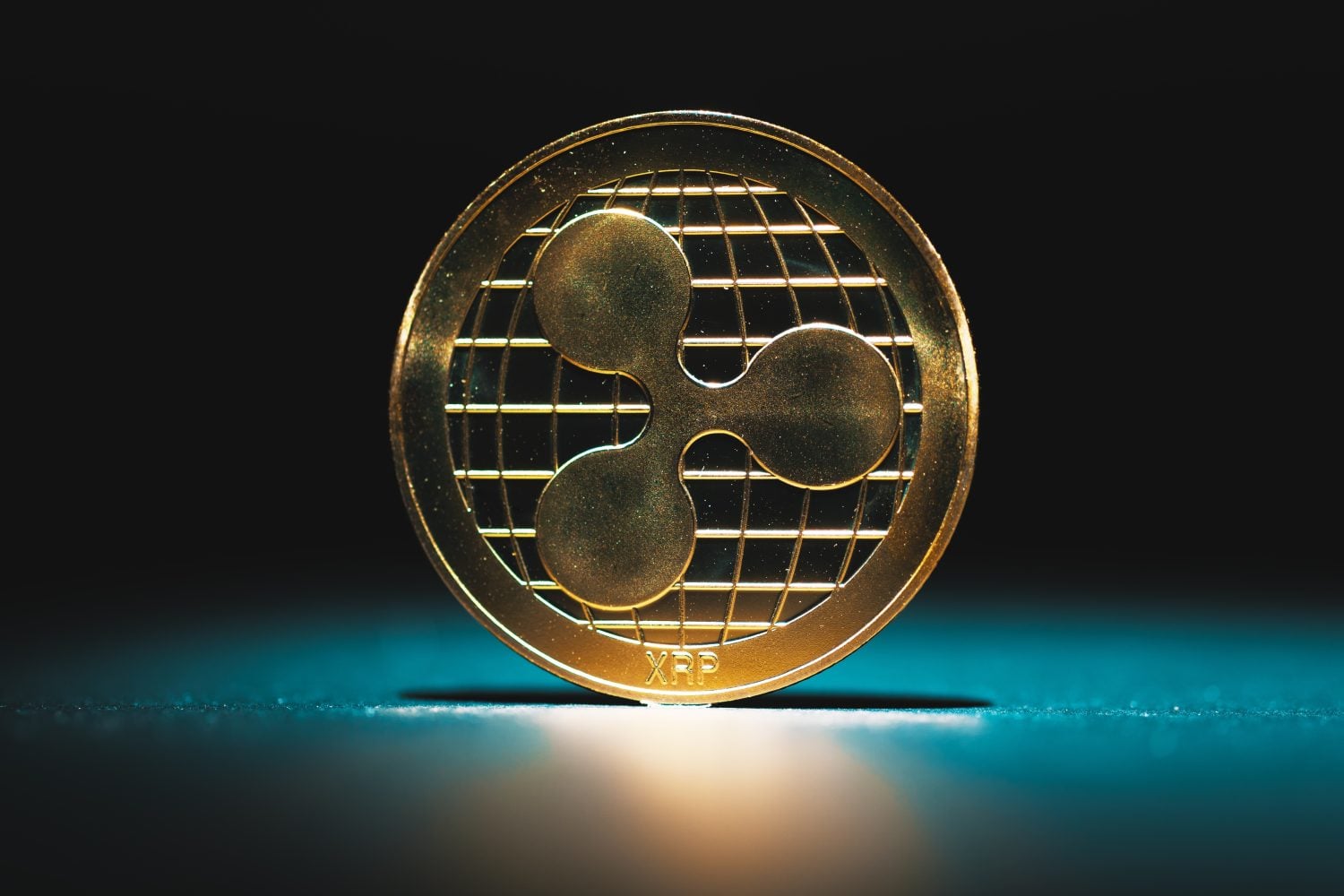
Paxos is a key player in the crypto trading and custody space, working with numerous banks, fintechs, and brokerages. By adding XRP, Paxos lets its partners offer customers the ability to buy, hold, and transfer XRP without building their own systems. Here, XRP takes center stage as the product.
However, this listing does not require any partner to actually purchase XRP. Paxos has not disclosed how many clients use the service, its trading volume, or any associated fees, leaving XRP demand uncertain. While Paxos points out that there are over 8.1 million XRP addresses, one individual can control multiple addresses, and exchanges can hold large amounts of XRP in a few accounts, so this figure doesn’t necessarily indicate widespread usage.
Ripple’s Business Wins Haven’t Lifted the XRP Price
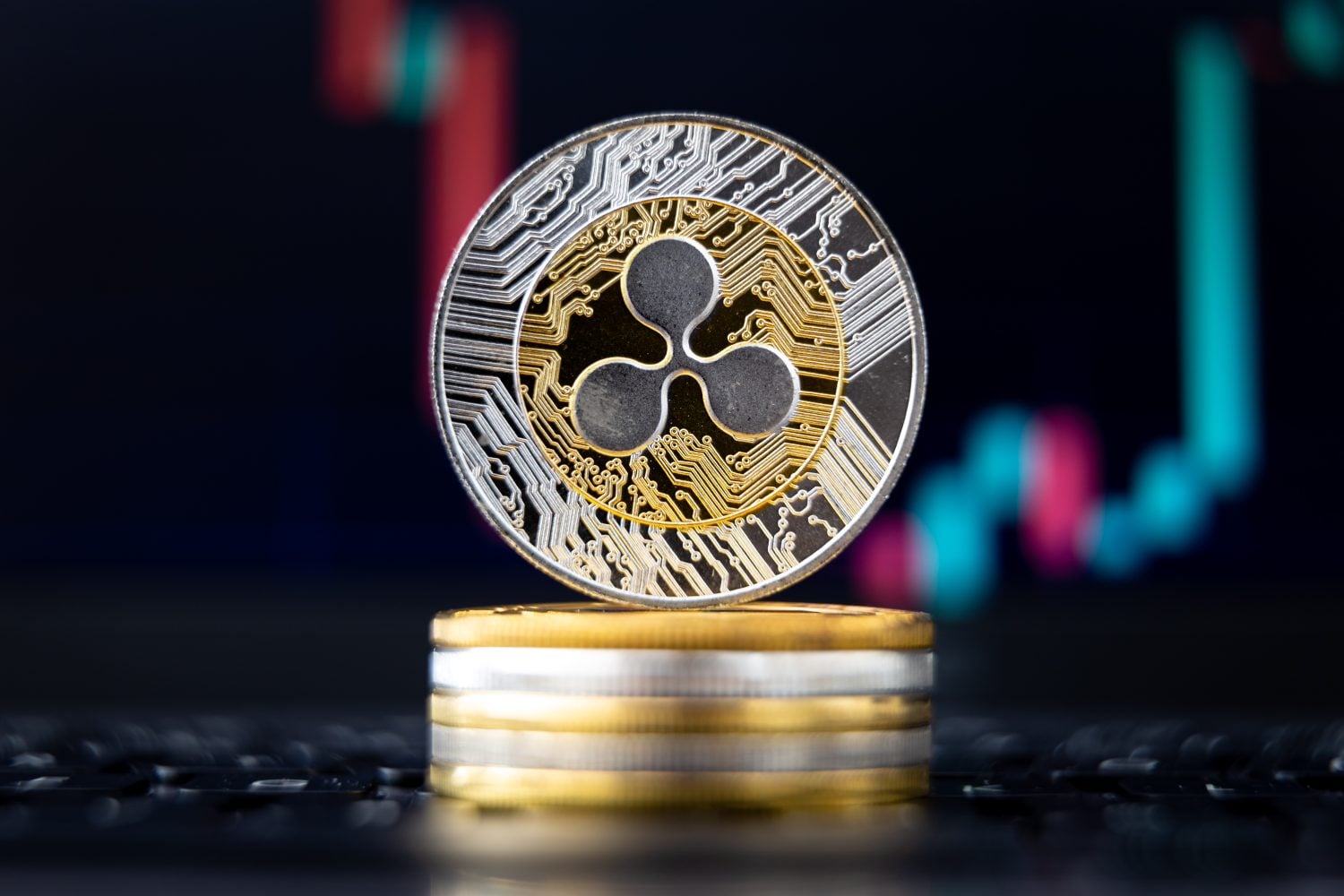
A company’s success doesn’t automatically translate into a rising cryptocurrency price. Ripple continues to offer valuable software and custody services, and institutions can pay for these services without using XRP. As a result, a bank that adopts Ripple Custody can contribute to Ripple’s revenue without purchasing any XRP.
This trend is reflected in XRP’s price movement. The cryptocurrency has decreased about 9% over the past week, even as Ripple gains new clients. Previous successes, such as Ripple’s expansion into Turkey, have not positively impacted XRP’s price either. Traders seem to view these announcements as Ripple-centric rather than news that directly affects XRP.
Which Ripple Deal Needs XRP?
Out of the three deals, only the partnership with Paxos requires XRP. Paxos has made XRP a featured product in its offerings, allowing banks, fintechs, and brokerages that adopt the service to facilitate buying and holding XRP. In contrast, the agreements with Meritz and Canton enhance Ripple’s custody business but can function without any XRP transactions.
Even the Paxos launch faces a considerable hurdle. With XRP’s market cap around $86 billion and approximately 63 billion coins in circulation, any new avenues for XRP will take time and consistent trading volume to impact its price. If Paxos reports that trading in XRP is occurring through its service, or if Meritz identifies XRP as a settlement asset, these deals could start to generate observable demand for the coin.
Contact [email protected] for any questions or corrections.
Sam Daodu is a crypto analyst who's spent nearly a decade making blockchain understandable—no easy task when most whitepapers read like fever dreams. He writes for 24/7 Wall St., covering Bitcoin, altcoins, and crypto market analysis for investors. Before crypto, he was a tech writer (back when explaining "the cloud" was peak innovation). Since 2018, he's written for CoinTelegraph, Yahoo Finance, The Block, Cryptonews, Zypto, Rain, and more—basically anywhere people want crypto news without the headache. Sam runs MacLabs Marketing, a content agency for crypto brands tired of sounding like AI wrote their website. He also publishes free crypto education on his site for Web3 enthusiasts who think "gas fees" is a typo. When he's not writing or staring at charts, Sam's either: - Watching anime (currently convinced One Piece has better tokenomics than most altcoins) - At the gym sculpting himself into a Greek god - Listening to the music your mum warned you only bad boys listen to Connect: LinkedIn | Email | MacLabs Marketing