Why Is the Cardano Price Falling After Its 11% Jump?
Cardano surged 11% while Bitcoin and Ethereum barely budged, making ADA the standout mover among major cryptocurrencies. But within three days, every gain vanished, leaving buyers who chased the spike nursing serious losses and raising hard questions about what actually…

This post may contain links from our sponsors and affiliates, and Flywheel Publishing may receive compensation for actions taken through them.
Cardano (CRYPTO:ADA) jumped 11% to around $0.27, while Bitcoin (CRYPTO:BTC) barely moved, up just 1%. This jump made ADA stand out among major cryptocurrencies: Ethereum (CRYPTO:ETH) gained a mere 0.6%, XRP (CRYPTO:XRP) rose 0.8%, and Solana (CRYPTO:SOL) fell 0.8%.
However, by October 8, ADA lost all its gains, trading at $0.23—down 10.8% in just 24 hours and about 16% below its October 5 peak. What caused this initial rise, and why did the momentum vanish so quickly?
Cardano Jumped 11% While Bitcoin and Ethereum Stayed Flat
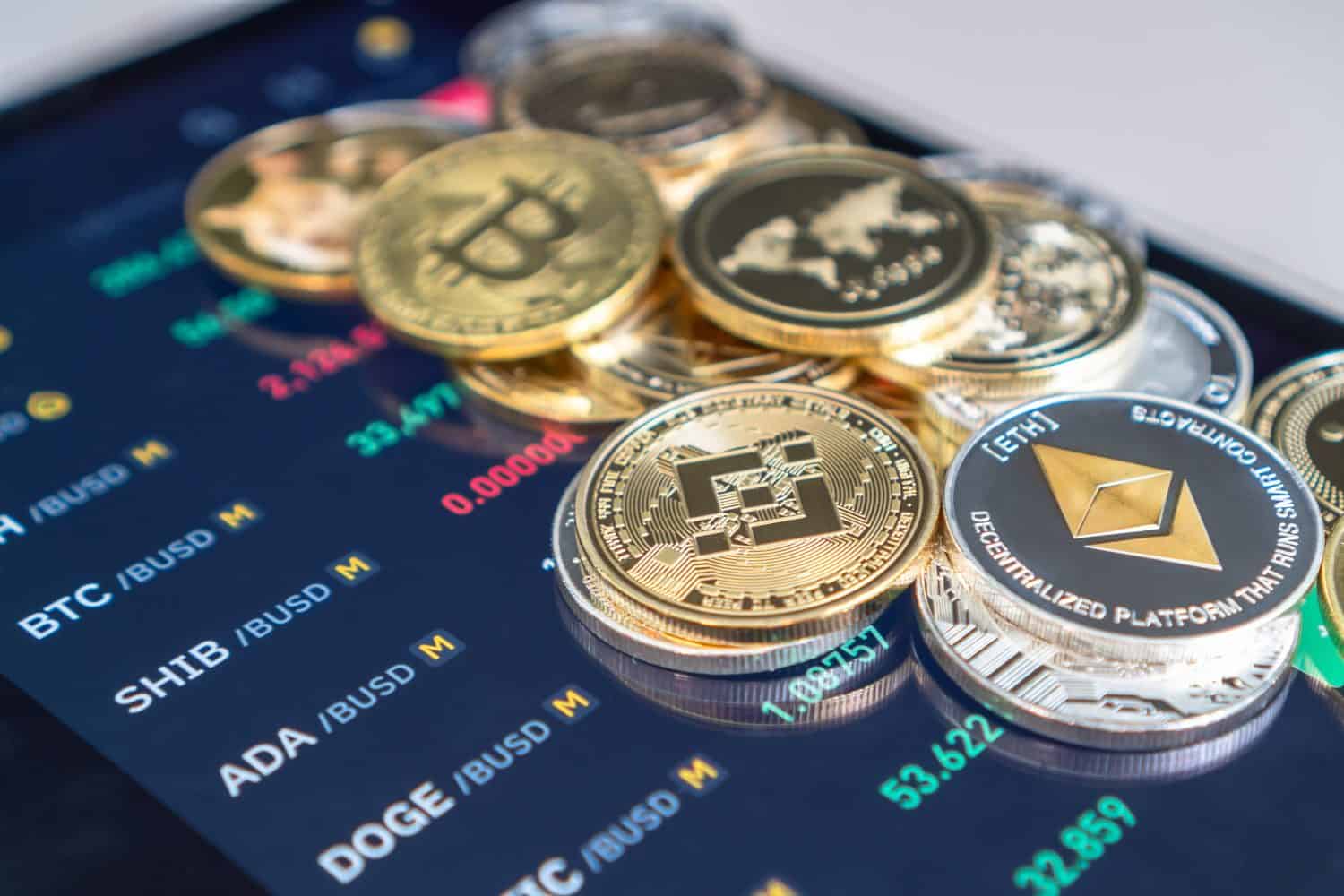
When a cryptocurrency like Cardano jumps 11% while giants like Bitcoin and Ethereum stay flat, it suggests traders are targeting that coin specifically. A broader market rally often reflects larger shifts, such as interest rate changes, that can lift multiple coins at once. In contrast, a sudden surge in one coin relies on a specific group of buyers, who can exit the market just as rapidly as they entered.
Another factor that can contribute to a sharp rise is forced buying, which occurs when a trader’s leveraged position is liquidated because losses exceed their margin. If a rapid price increase triggers liquidations of short positions, trades that profit when the price falls, exchanges may need to buy back ADA, further driving up the price. However, it remains unclear how much of Cardano’s 11% surge was due to these forced purchases versus genuine demand.
Petrobras and a Japan Deal Came Days Before Cardano’s Jump

In the days leading up to the jump, Cardano received attention from significant news. Brazil’s state oil company, Petrobras, and the Ledger Lab at PUC-Rio University introduced two research applications built on Cardano. One application converts the environmental benefits of sustainable aviation fuel into tokens, while the other tracks renewable diesel from production to consumption.
On October 1, the Cardano Foundation also announced a partnership with Pacific Meta, a Tokyo-based incubator that supports Japanese companies in developing blockchain applications. At the same time, Santiment data indicated that Cardano’s daily active addresses nearly doubled to over 27,500. Both of these developments followed Cardano’s launch of its RealFi platform, which offers interest rates of up to 9% on stablecoins.
Despite the positive news, these announcements came days before the price spike, and they offered no indication that they directly drove the October 5 jump. Moreover, the Petrobras applications are still in the research stage, with no set launch date, meaning anyone who invested in ADA based on these updates was speculating on projects that have yet to materialize.
Cardano Gave Back Its Entire 11% Gain by October 8
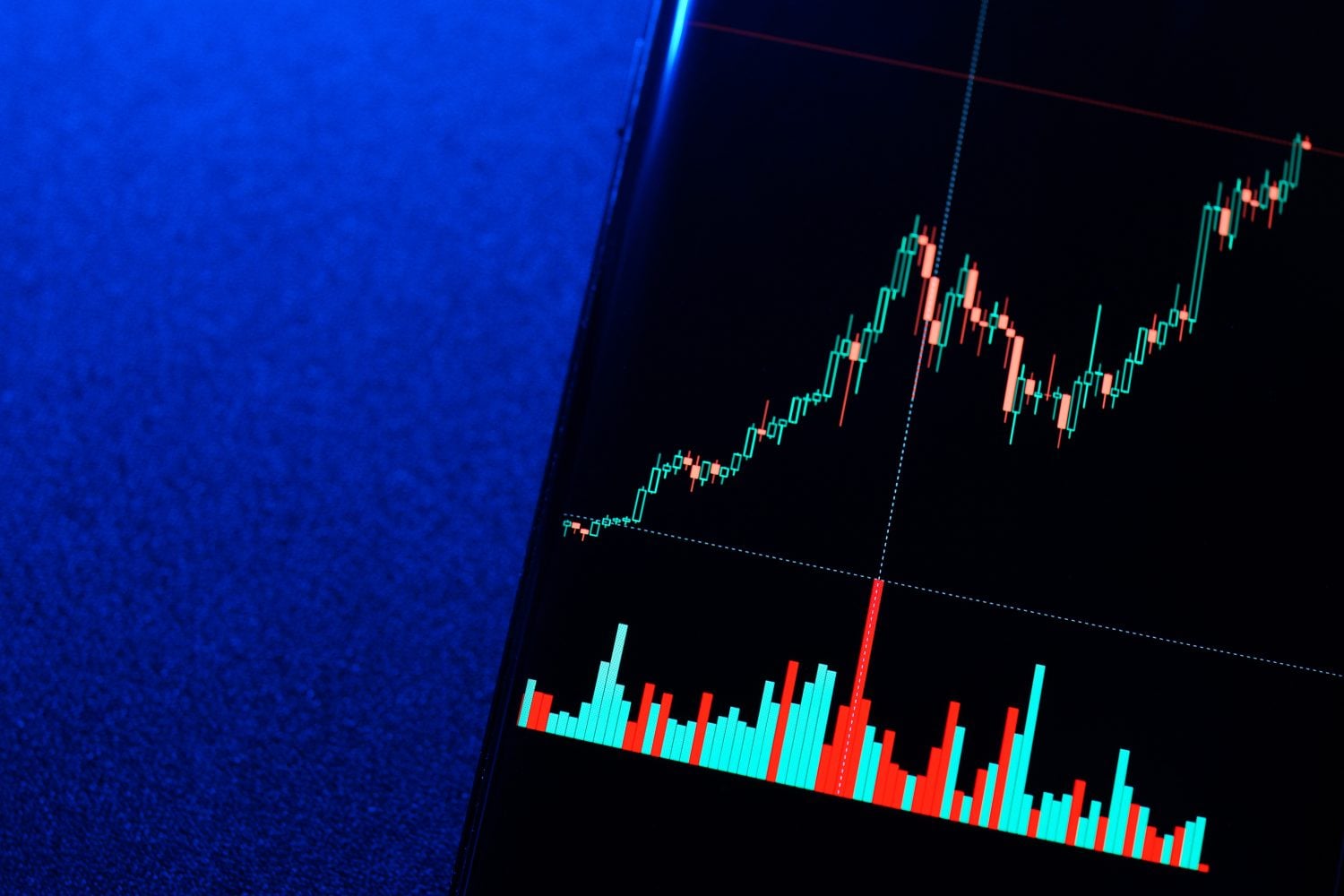
Cardano’s 11% surge represented its entire weekly gain as of October 5, suggesting the coin had been relatively stagnant before the spike. Even so, it was still up 28% over the past month, following a 30% increase in September.
However, the wider market mood shifted soon after. Bitcoin dropped by 2.4% in the 24 hours leading up to October 8 after approximately $487 million was pulled from spot Bitcoin ETFs on October 7, according to SoSoValue. In contrast, ADA fell 10.8% in the same timeframe, more than four times Bitcoin’s decline—suggesting that those who bought ADA during its jump quickly sold when Bitcoin and the broader market reversed course.
The bigger picture shows an even harsher reality for Cardano. The price remains about 93% below its all-time high of $3.09 in September 2021, and over two-thirds below its value a year earlier. With approximately 37.5 billion coins in circulation, valued at about $8.6 billion at $0.23, Cardano has already reached around 83% of its maximum supply of 45 billion coins.
Why Did the Cardano Price Fall Back So Quickly?
The swift fall in Cardano’s price can be attributed to the lack of fresh momentum behind its October 5 jump. News from Petrobras and the partnership with Pacific Meta surfaced days earlier, and buyers who rushed in after the 11% rise quickly exited when Bitcoin and the broader market declined on October 7 and 8. Essentially, ADA’s increase was a temporary spike, and it relinquished those gains in just three days.
For anyone who bought near $0.27, this rapid drop wiped out about 16% in just three days. Moving forward, future announcements tied to new users or solid data showing consistent buying habits would help provide a stronger foundation for the next price rally. Until then, ADA may continue to be more volatile than Bitcoin, swinging more dramatically up and down, as it did between October 5 and October 8.
Contact [email protected] for any questions or corrections.
Sam Daodu is a crypto analyst who's spent nearly a decade making blockchain understandable—no easy task when most whitepapers read like fever dreams. He writes for 24/7 Wall St., covering Bitcoin, altcoins, and crypto market analysis for investors. Before crypto, he was a tech writer (back when explaining "the cloud" was peak innovation). Since 2018, he's written for CoinTelegraph, Yahoo Finance, The Block, Cryptonews, Zypto, Rain, and more—basically anywhere people want crypto news without the headache. Sam runs MacLabs Marketing, a content agency for crypto brands tired of sounding like AI wrote their website. He also publishes free crypto education on his site for Web3 enthusiasts who think "gas fees" is a typo. When he's not writing or staring at charts, Sam's either: - Watching anime (currently convinced One Piece has better tokenomics than most altcoins) - At the gym sculpting himself into a Greek god - Listening to the music your mum warned you only bad boys listen to Connect: LinkedIn | Email | MacLabs Marketing