Ethereum Led Nearly $1 Billion in Crypto Liquidations. Its Traders Never Cut Back Before the Drop.
Nearly $1 billion in crypto positions got wiped out in a single day, and Ethereum traders had every chance to reduce their exposure before it happened. The data shows they chose not to, raising a troubling question about what comes…

This post may contain links from our sponsors and affiliates, and Flywheel Publishing may receive compensation for actions taken through them.

Ethereum (CRYPTO: ETH) has emerged as the leader in crypto liquidations, with liquidations totaling about $283 million as traders lost about $972 million from forced position closures over a 24-hour period ending October 15, 2026, according to CoinGlass. A liquidation occurs when an exchange forcibly closes a leveraged position, which is partly funded with borrowed capital, because the trader’s losses have exhausted their available cash.
On the day of the drop, ETH dipped to about $2,325 before beginning to recover. As of October 16, it trades around $2,452, still nearly 50% below its August 2025 peak of $4,946. At first glance, one might think that ETH traders reduced their risk before this decline.
However, Santiment data shows many traders kept their positions intact. So the question remains: did the recent sell-off eliminate excess leverage, or could another wave of Ethereum liquidations hit soon?
Ethereum Liquidations Surpass Bitcoin’s by $87 Million

CoinGlass reported that 182,574 traders were liquidated during this period. A staggering 92% of these liquidations involved long positions—trades that profit when prices increase—totaling around $891.2 million. This means nearly all the losses came from traders who expected a continued price rally.
Of the total liquidations, ETH positions accounted for about $283 million, surpassing Bitcoin (CRYPTO: BTC) liquidations, which totaled approximately $196 million, according to Santiment’s analysis.
Bitcoin has generally fared better throughout the year. By October 15, ETH had dropped about 18% in 2026, while Bitcoin’s decline was only around 7%. In the week leading up to October 16, ETH lost 1.8%, while Bitcoin fell just 0.4%.
ETH Traders Held Their Positions Into the Inflation Report

Open interest, which reflects the total value of futures contracts traders still hold, clearly shows market leverage. Santiment’s data shows that ETH’s dollar-denominated open interest fell roughly 11% from October 4 to October 14, suggesting traders were reducing risk.
However, ETH’s price also fell by 11% over the same period. A declining price reduces the dollar value of each open contract, which can lower total open interest even if traders maintain their positions.
In coin terms, ETH’s total open interest remained steady at about 6.23 million ETH from October 4 to October 14, fluctuating only between 5.97 million and 6.47 million ETH. This suggests traders kept their overall position size consistent heading into the US inflation report on October 14. The overall dollar value fell solely because ETH’s price was lower.
Thus, leverage remained unchanged. When prices reacted sharply after the inflation report revealed a 3.7% annual increase for September, these positions were still active—explaining why ETH topped the liquidation list. High leverage can turn one bad day into substantial losses, underscoring the importance of understanding position sizes and exit strategies, which we cover in our free playbook.
Spot Ether ETF Investors Kept Pulling Money Out
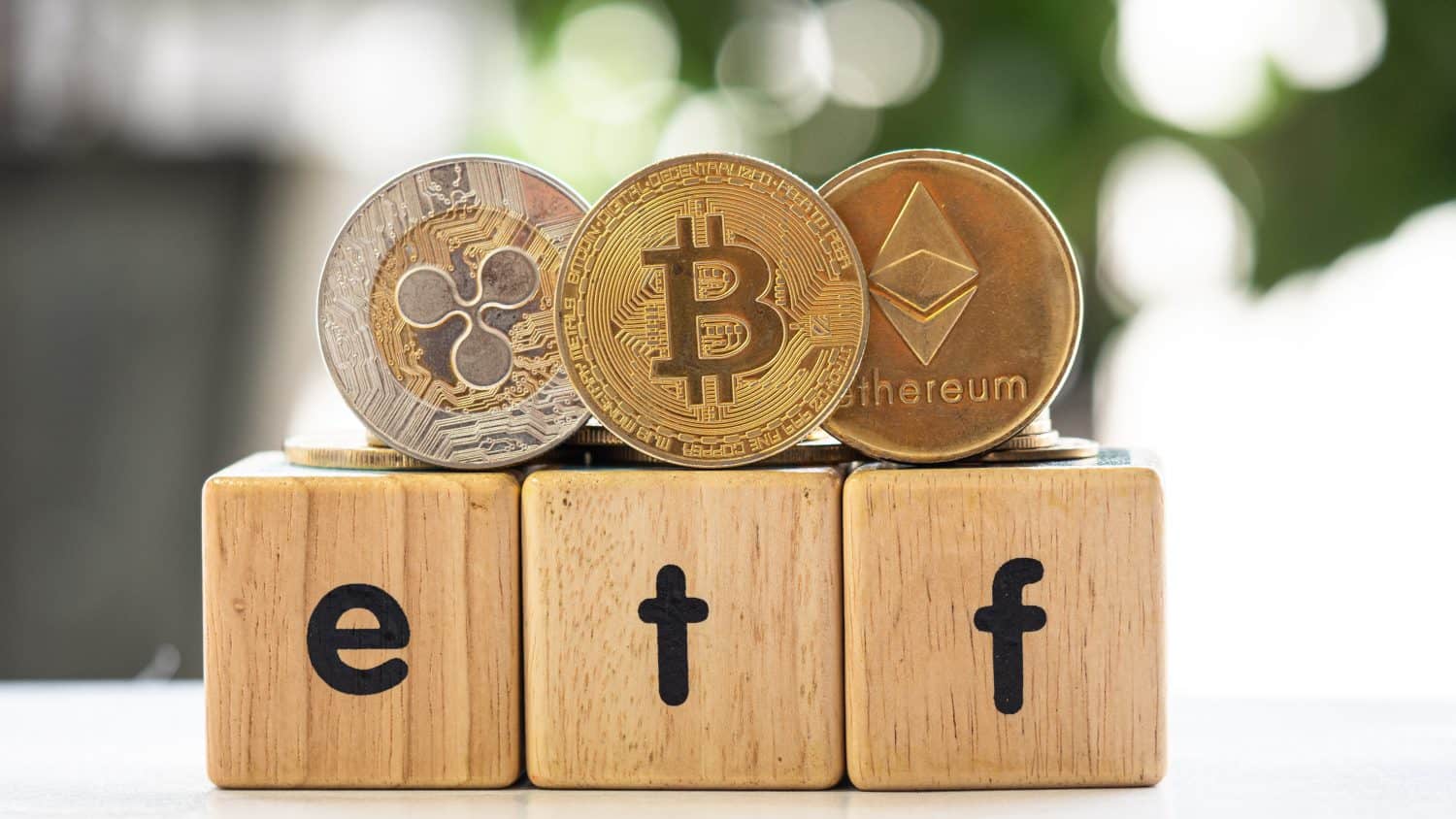
Spot Ether ETFs, which directly hold ETH, saw net outflows every trading session from October 1 to October 12. The largest outflow occurred on October 6, when $201.9 million left the funds, according to SoSoValue.
The funds recorded a slight inflow of $24.8 million on October 13, then saw a significant outflow of $129.5 million the following day. By October 14, these ETFs had total net assets of $15.2 billion, with cumulative net inflows of $13.1 billion since their inception.
Notably, the October 14 outflow coincided with the inflation report. While futures traders held their positions throughout this period, ETF investors pulled back, leaving little fresh demand to absorb forced ETH selling.
Could Another Wave of Ethereum Liquidations Follow?
Given the current data, another round of liquidations seems possible with the next sharp market move. Santiment’s data through October 14 revealed that 6.23 million ETH remained in open contracts, unchanged from ten days earlier. Furthermore, the ETFs had recorded only one day of inflows in October.
This suggests potential buyers—those who could help cushion any price drops—have largely stepped back, while leverage levels remain high for Ethereum holders.
Key to watch is the $2,325 mark, the October 15 low. If ETH breaks below this threshold while coin-based open interest stays above the early October low of 5.97 million ETH, existing leverage may find even less support, potentially triggering another wave of forced liquidations. Conversely, if open interest dips below that level, it could signal that ETH traders are finally starting to close their positions.
Contact [email protected] for any questions or corrections.
Sam Daodu is a crypto analyst and the editor of 24/7 Wall St.'s Crypto Desk, where he covers Bitcoin, XRP, Ethereum, Solana and the altcoins investors search for most. His work focuses on price levels, spot ETF flows, on-chain data and the regulatory decisions that move crypto markets, written so a first-time buyer and a seasoned trader can both use it.
Sam has written about crypto professionally since 2019 and has published more than 2,000 articles. Before joining 24/7 Wall St., he wrote for crypto media outlets and Web3 companies and ghostwrote for crypto founders and token launches. His analysis is syndicated on Yahoo Finance, MSN and AOL and has been cited by other crypto news sites. He also founded MacLabs Marketing, a content and personal branding agency for crypto founders and executives.
When he isn't reading charts, Sam is usually at the gym or watching One Piece, a series he maintains has better tokenomics than most altcoins.