Should You Own Bitcoin in Your 401(k) After a 34% Drop From Its Record?
Bitcoin has plunged 34% from its record high, and if you hold it inside a 401(k) near retirement, the math on a second drop gets uncomfortable fast. What fiduciaries, tax brackets, and Medicare thresholds reveal about crypto in a retirement…

This post may contain links from our sponsors and affiliates, and Flywheel Publishing may receive compensation for actions taken through them.

Bitcoin (CRYPTO:BTC) is trading about 34% below its high of $126,080, reached on October 6, 2025. This significant decrease raises a critical question for anyone holding Bitcoin in a 401(k): Is it still a good investment?
For long-term investors, this dip may feel like a chance to buy at a discount. However, those nearing retirement might see it as a sign of how much Bitcoin’s value has fallen over the past year.
Bitcoin is trading around $82,820. While this reflects a 23% increase over the last three months, it still marks a 24% decline over the previous year. Cryptocurrency advocate Michael Saylor mentioned on October 13 that he believes the lowest point was just below $60,000. So, if you’re close to retirement, should you hold any Bitcoin in a tax-advantaged account like a 401(k)?
Labor Department Rule Leaves Bitcoin Choices to Employers

On March 30, the Labor Department proposed a regulation that could allow 401(k) plans to include alternative assets, such as cryptocurrencies, real estate, and private equity. The proposal protects plan fiduciaries from lawsuits if they consider six key factors, including performance, fees, liquidity, and complexity, when selecting investment options.
This proposal was published in the Federal Register on March 31, and a 60-day comment period preceded any final regulations. Ultimately, each employer’s plan committee decides which investments to offer. Many employers hesitate to add cryptocurrency options because they fear potential legal challenges.
For quicker access to Bitcoin, consider an IRA. You can hold Bitcoin ETFs, like the iShares Bitcoin Trust (NASDAQ:IBIT), in a brokerage IRA, just as you would with any stock. As of October 16, U.S. spot Bitcoin ETFs had around $104 billion in assets.
Additionally, if you’ve left a previous job, you can roll over that old 401(k) into an IRA and invest in Bitcoin without needing approval from your new employer’s committee.
A 34% Drop Means a 52% Rally to Recover
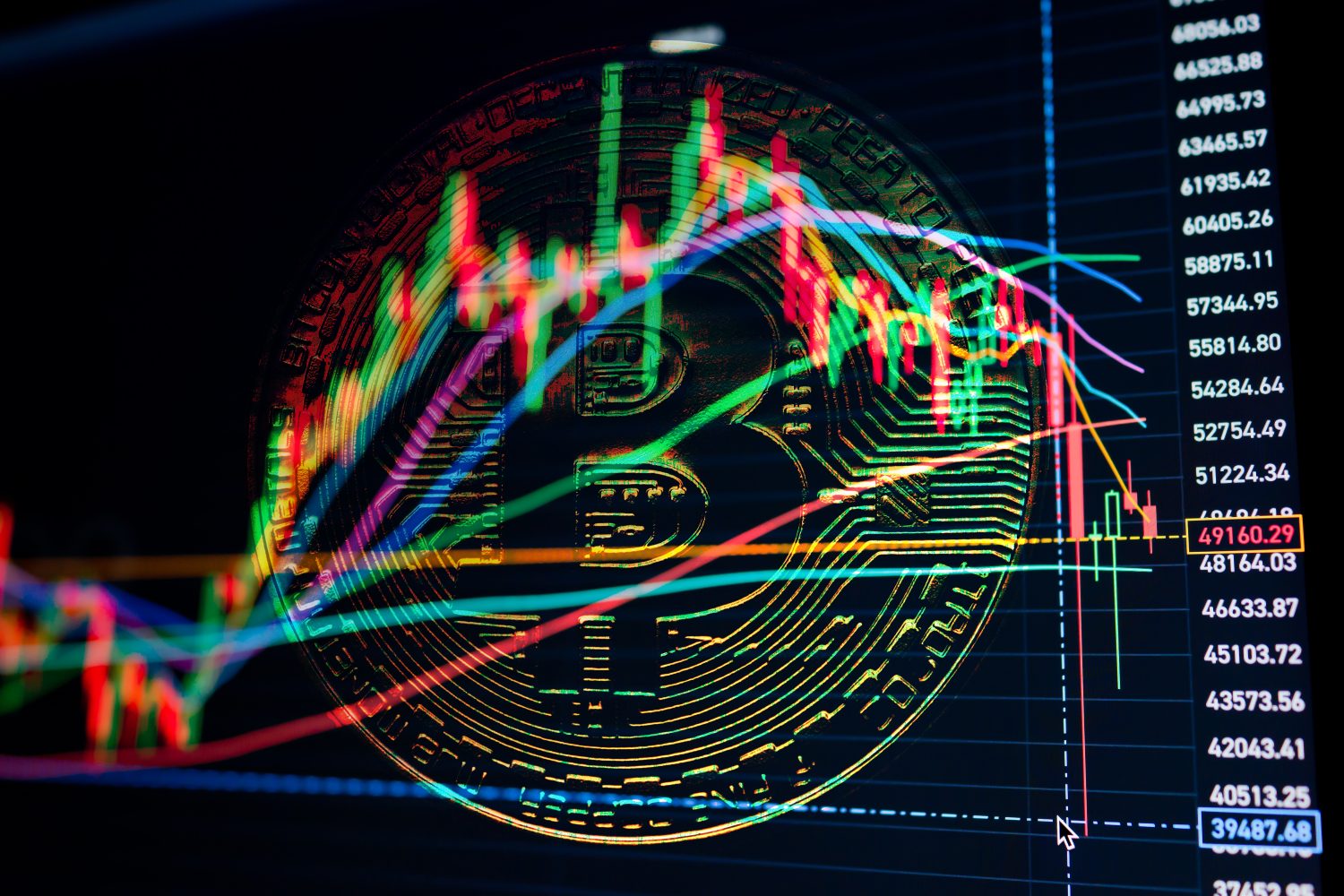
To return to its all-time high of $126,080 from the current price of $82,820, Bitcoin would need to climb about 52%. This is important for retirees, as losses affect them more acutely than younger investors. For example, if a retiree needs to sell during a downturn to fund withdrawals, what was once just a paper loss could become a permanent one.
For a saver with a $1 million 401(k), $50,000 in Bitcoin means another 34% drop could cost $17,000, nearly 2% of the total account. If that same saver holds 20% in Bitcoin, the loss could amount to $68,000 right as withdrawals begin. This volatility could lead to further sales of stocks and bonds to cover expenses, ultimately shrinking the overall retirement plan.
Roth Conversions at Lower Prices Can Impact Medicare Premiums
On the upside, current lower Bitcoin prices present a unique tax opportunity. If you own a Bitcoin ETF in a traditional IRA and decide to convert it to a Roth IRA, you can pay taxes based on the lower value.
For instance, converting $50,000 while in the 22% tax bracket might amount to a tax bill of about $11,000. If Bitcoin rebounds and reaches its record high, that investment could grow to about $76,000, allowing for tax-free withdrawals in retirement.
However, you should consider how this move could affect Medicare premiums. Income from a conversion counts toward your modified adjusted gross income, which Medicare uses to determine premium rates, based on a two-year lookback period.
Under the 2026 rules, a married couple earning over $218,000 would pay about $284 per person per month for Medicare Part B, compared with a standard rate of $203. This could add nearly $1,949 to their annual costs before any potential Part D surcharges.
Additionally, this extra income could make up to 85% of Social Security benefits taxable, meaning that while conversion may appear appealing at a 22% rate, the actual cost could be much higher. To manage these impacts, consider spreading conversions over multiple years to keep income under the Medicare thresholds.
Is Bitcoin a Smart Move in a 401(k) Close to Retirement?
Yes, holding Bitcoin can make sense in a retirement portfolio, as long as the investment is small enough that a further drop won’t derail your retirement plans. A recommended strategy is to limit Bitcoin to 5% or less of your total savings, ensuring that a 34% drop costs no more than 2%. With this approach, even if Bitcoin doubles, its smaller share would only add 5% to your overall retirement account.
Holding Bitcoin in an IRA or 401(k) is also better than holding it in a taxable account. This way, you can sell after a price increase and reinvest in bonds without incurring capital gains taxes.
Watch for the Labor Department finalizing its regulation on alternative assets. If your plan starts offering crypto options, compare the fees with a spot ETF in an IRA, as lower costs could affect your returns more than timing your investments.
Contact [email protected] for any questions or corrections.
Sam Daodu is a crypto analyst who's spent nearly a decade making blockchain understandable—no easy task when most whitepapers read like fever dreams. He writes for 24/7 Wall St., covering Bitcoin, altcoins, and crypto market analysis for investors. Before crypto, he was a tech writer (back when explaining "the cloud" was peak innovation). Since 2018, he's written for CoinTelegraph, Yahoo Finance, The Block, Cryptonews, Zypto, Rain, and more—basically anywhere people want crypto news without the headache. Sam runs MacLabs Marketing, a content agency for crypto brands tired of sounding like AI wrote their website. He also publishes free crypto education on his site for Web3 enthusiasts who think "gas fees" is a typo. When he's not writing or staring at charts, Sam's either: - Watching anime (currently convinced One Piece has better tokenomics than most altcoins) - At the gym sculpting himself into a Greek god - Listening to the music your mum warned you only bad boys listen to Connect: LinkedIn | Email | MacLabs Marketing